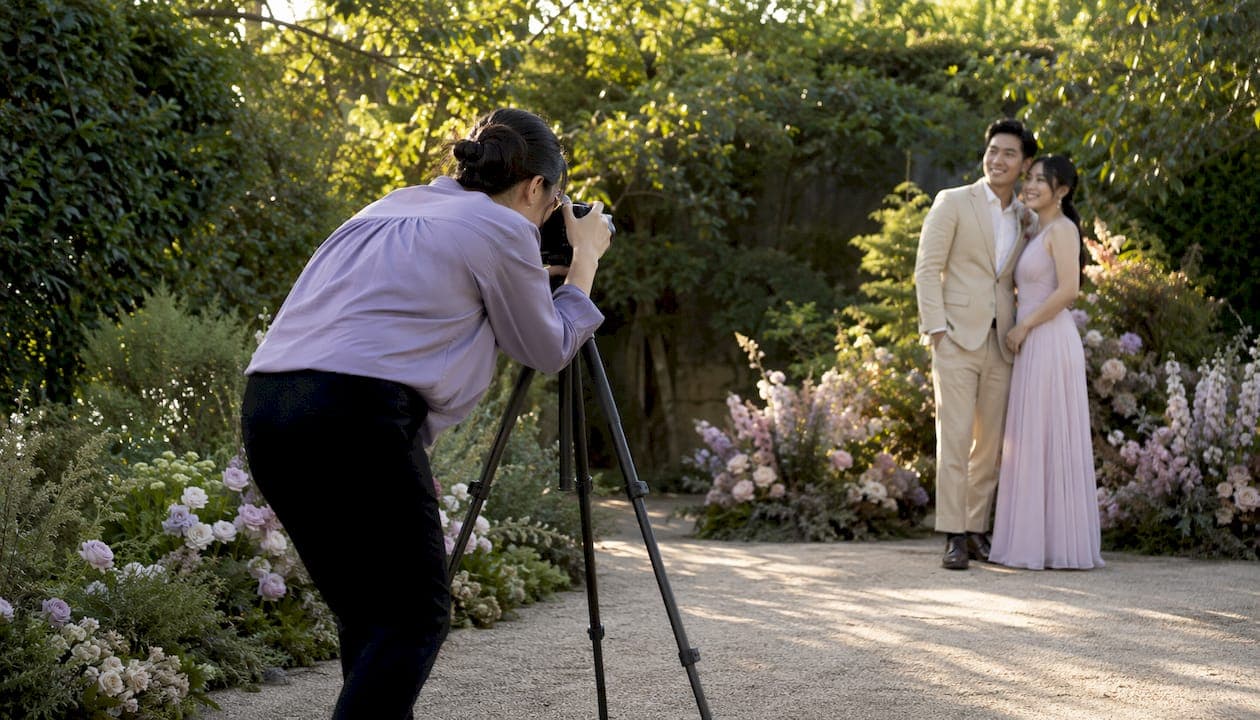
Fine art portraiture is portrait photography created with deliberate artistic intent, high production value, and a finished result meant to hang on a wall, not scroll past in a feed. The Portrait Society frames it plainly: there is no single rule separating fine art from standard portraiture, but intent and production value are the defining indicators, and images are produced to gallery standards. When you want heirloom wall art with an editorial, almost painted quality rather than candid documentation of your day, fine art portraiture is the right choice. Larsonprophotography specializes in exactly this approach for wedding and engagement clients in San Antonio.
Fine art portraiture is not about recording what happened. It is about creating an image you would frame and live with for decades.
What sets it apart from a great candid shot is the why behind every decision: the light, the pose, the color palette, the post-production finish. All of it is chosen, not discovered.
Table of Contents
- What is fine art portraiture, and how does it differ from other wedding styles?
- How a fine art portrait session actually gets made
- What to expect when booking fine art portraits for your wedding
- How to evaluate a fine art portrait photographer before you book
- Styling and location checklist for a fine art portrait session
- A Larsonprophotography fine art engagement session in San Antonio
- Quick planning checklist and next steps
- Key Takeaways
- Why fine art portraits are worth the planning
- Larsonprophotography: fine art wedding and engagement portraits in San Antonio
What is fine art portraiture, and how does it differ from other wedding styles?
Fine art portraiture is a genre where the photographer acts primarily as an artist rather than a documentarian. The images express a concept, emotion, or narrative through intentional aesthetic choices. That is the fundamental contrast with documentary or photojournalistic wedding photography, where the camera follows events as they unfold and the photographer's job is to observe, not direct.
| Dimension | Fine Art Portraiture | Documentary / Photojournalism |
|---|---|---|
| Primary intent | Artist-led interpretation | Faithful event documentation |
| Production approach | Planned wardrobe, lighting, posing | Candid, reactive sequencing |
| Typical final use | Gallery prints, framed heirlooms | Albums, social media, slideshows |
| Post-production | Extensive color grading, retouching | Light correction, minimal editing |
| Photographer's role | Creative director | Observer |
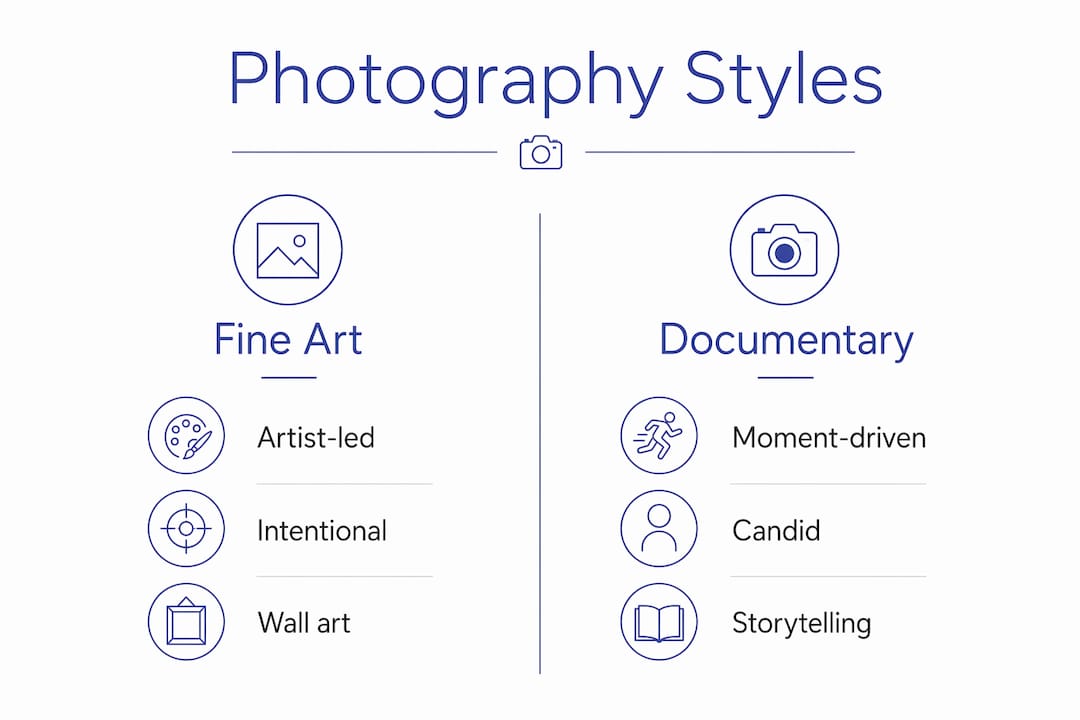
Fine art portrait photography has become prominent in the luxury portrait market and is typically intended for wall art rather than sequential documentation. A lifestyle session sits somewhere in between: more relaxed than fine art, more directed than photojournalism. Knowing the difference helps you read a photographer's portfolio accurately and ask the right questions before signing a contract.
How a fine art portrait session actually gets made
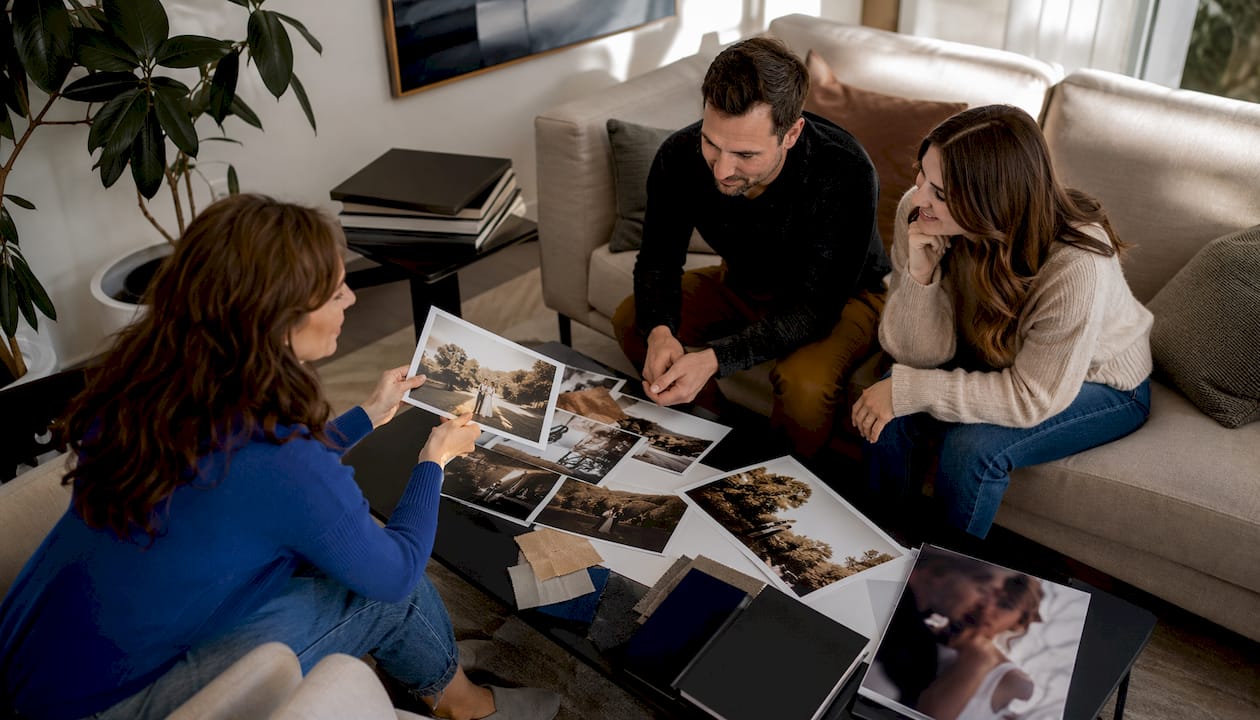
The process starts well before anyone picks up a camera. Pre-shoot collaboration is where the creative foundation is built: a concept meeting, a mood board, wardrobe planning, and timeline coordination with your wedding planner. Creating fine art portraits is highly collaborative and carefully planned; wardrobe, lighting, posing, and color palettes are chosen ahead of time. Nothing about the final image is accidental.
On the day of the shoot, the photographer works with controlled lighting setups, deliberate posing, and a chosen location or backdrop. Many fine art photographers draw inspiration from Rembrandt and Vermeer, studying their masterful use of shadow and directional light to create depth and dimension. That same logic applies to a golden-hour engagement session in San Antonio: the light is shaped, not just accepted.
Post-production is where the image becomes art. The workflow typically includes:
- Color grading to establish a cohesive tonal palette across the full set
- Dodging and burning to sculpt light and shadow, adding painterly depth
- Skin retouching that preserves texture while removing distractions
- Final output sizing matched to the intended print dimensions
Pro Tip: Fine art retouching is time-intensive. Many photographers budget at least an hour of editing per final delivered image. If a photographer quotes a two-day turnaround on 30 finished images, ask specifically how they define "finished" — a lightly filtered export and a fully retouched gallery print are not the same thing.
For a deeper look at what this process involves, post-production in photography covers the technical steps from raw file to final print.
What to expect when booking fine art portraits for your wedding
Lead time matters more than most couples realize. Peak wedding season in San Antonio runs spring through early summer and again in the fall. Booking a fine art portrait photographer 9–12 months in advance is standard for those periods; some photographers fill their calendars even earlier because the pre-shoot planning process requires real scheduling bandwidth.
Pricing reflects the production intensity. Fine art sessions cost more than standard portrait packages because of the pre-shoot collaboration time, the extended post-production hours, and the print and framing options that are often part of the offering. Common pricing structures include:
- All-inclusive packages: One price covers the session, a set number of fully retouched images, and a print credit toward framed art or albums.
- À la carte: A session fee covers the shoot and a base number of digital files; prints, canvases, and framed pieces are priced separately.
- Hybrid: A lower session fee with a minimum print purchase requirement, common among photographers whose business model centers on wall art sales.
Deliverables to expect: high-resolution files suitable for large-format printing, optional museum-grade prints or framed art pieces, and a delivery timeline that reflects the editing depth. Because the final output is often intended as wall art, plan print sizes and framing during the planning stage so the image crop, resolution, and tonal finish are matched to the final product from the start.
How to evaluate a fine art portrait photographer before you book
Portfolio signals tell you more than a photographer's bio ever will. Look for a consistent lighting language across different sessions, not just one or two standout images. Evidence of finished wall art in the portfolio matters: if you only see web-sized JPEGs, ask to see sample prints or a client gallery.
Concrete questions to ask before signing:
- How many images do you shoot versus deliver, and what is your editing selection process?
- What is your typical turnaround time from session to final gallery?
- Do you offer print and framing options, and are they included or priced separately?
- What does your retouching process include, and what is out of scope?
- What are the usage rights for prints and social media sharing?
Red flags to watch for:
- Portfolios with inconsistent editing across sessions (a sign of heavy preset reliance rather than a developed visual language)
- No gallery-quality samples or print examples available to review
- Vague answers about post-production scope or turnaround time
- A portfolio that chases trends rather than a signature photography style
Styling and location checklist for a fine art portrait session
Wardrobe is the single biggest variable couples control. A few rules that hold across almost every fine art session:
- Choose neutral, timeless fabrics: ivory, champagne, dusty rose, slate, deep navy. Avoid logos, graphic prints, and anything that reads as a trend piece.
- Coordinate rather than match. Identical outfits flatten the image; complementary tones create depth.
- Prioritize texture: linen, silk, lace, and velvet photograph beautifully and add visual interest without competing with the subject.
For props, pick one or two meaningful items with simple silhouettes. A family heirloom, a single bloom, or a piece of jewelry reads well. Cluttered props pull focus from the subjects.
Location and timing shape the light more than any gear decision. Simple, uncluttered backdrops or classic architecture give the photographer room to work. Golden hour, roughly 45–60 minutes before sunset, produces the warm, directional light that defines the painterly fine art look. Open shade on an overcast day is a strong second option: soft, even, and flattering.
Pro Tip: Scout your location at the same time of day as your session, ideally a week before. Light changes dramatically by season and hour, and what looks perfect at noon can be flat and harsh by 3 PM.
A Larsonprophotography fine art engagement session in San Antonio
A recent engagement session with Larsonprophotography illustrates how the process works end to end. The couple wanted something that felt editorial and timeless rather than posed and predictable. The concept meeting established a warm, cinematic mood board: golden-hour light, a historic San Antonio location with classic architecture, and a neutral wardrobe palette of champagne and charcoal.
Planning decisions that shaped the final images:
- Wardrobe was reviewed in advance and adjusted to eliminate a patterned shirt that would have competed with the textured stone backdrop.
- Lighting was planned around the building's west-facing facade to catch directional late-afternoon sun.
- Post-production used warm color grading and selective dodging to give the images a depth that reads more like a painting than a photograph.
The goal for every session is an image the couple will still want on their wall in thirty years — not because it was trendy, but because it was true to who they were on that day.
Browse the fine art wedding photography gallery to see how this approach translates across different couples, locations, and lighting conditions.
Quick planning checklist and next steps
Use this list to move from interest to booked session:
- Book 9–12 months in advance, especially for spring and fall dates in San Antonio
- Request full client galleries, not just portfolio highlights, before committing
- Schedule a pre-shoot styling session or video call to align on wardrobe and concept
- Confirm retouching expectations in writing: what is included, what is not
- Discuss print and framing options early so the shoot is planned around the final product size
- Order a sample print before the full order to confirm color and finish
- Coordinate the portrait session time with your wedding-day timeline to protect golden-hour light
When reaching out to Larsonprophotography, a simple inquiry email works well:
"Hi, I'm [Name], getting married on [Date] in [Location]. I'm interested in fine art portrait coverage for my wedding and/or an engagement session. Could you share your availability, portfolio galleries, and package details? I'd love to schedule a consultation call."
Key Takeaways
Fine art portraiture is defined by artistic intent and production value, and the images are created to be displayed as wall art, not consumed as a social feed.
| Point | Details |
|---|---|
| Intent separates the styles | Fine art portraiture is artist-led; documentary photography is event-led. The difference shows in every planning and editing decision. |
| Planning starts before the shoot | Mood boards, wardrobe review, and location scouting are part of the session, not extras. |
| Post-production is the finish | Expect at least an hour of editing per final image for a painterly, gallery-ready result. |
| Prints are the end goal | Plan print sizes and framing during the planning stage so the image is built for its final use from the start. |
| Larsonprophotography | San Antonio-based fine art wedding and engagement photography with pre-shoot planning, gallery-quality retouching, and print support. |
Why fine art portraits are worth the planning
Most couples underestimate how much the pre-shoot process shapes the final image. The instinct is to show up and let the photographer work. The reality is that the best fine art portraits come from sessions where the couple arrived with a clear wardrobe, a scouted location, and a shared understanding of the mood they were going for.
The other thing people miss: fine art portraiture is not about perfection. It is about interpretation. A great fine art portrait does not show you looking your best in a technical sense. It shows something true about you, rendered with enough craft that it holds up on a wall for thirty years. That is a different goal than a flattering headshot, and it requires a different kind of collaboration between photographer and subject.
If you are comparing photographers and one portfolio feels timeless while another feels current, that gap is usually the difference between a photographer with a developed visual language and one who is following trends. The storytelling in photography that makes an image last is built in the planning, not the editing.
Larsonprophotography: fine art wedding and engagement portraits in San Antonio
Couples who want gallery-quality portraits without spending months hunting for the right photographer have a direct option in San Antonio.
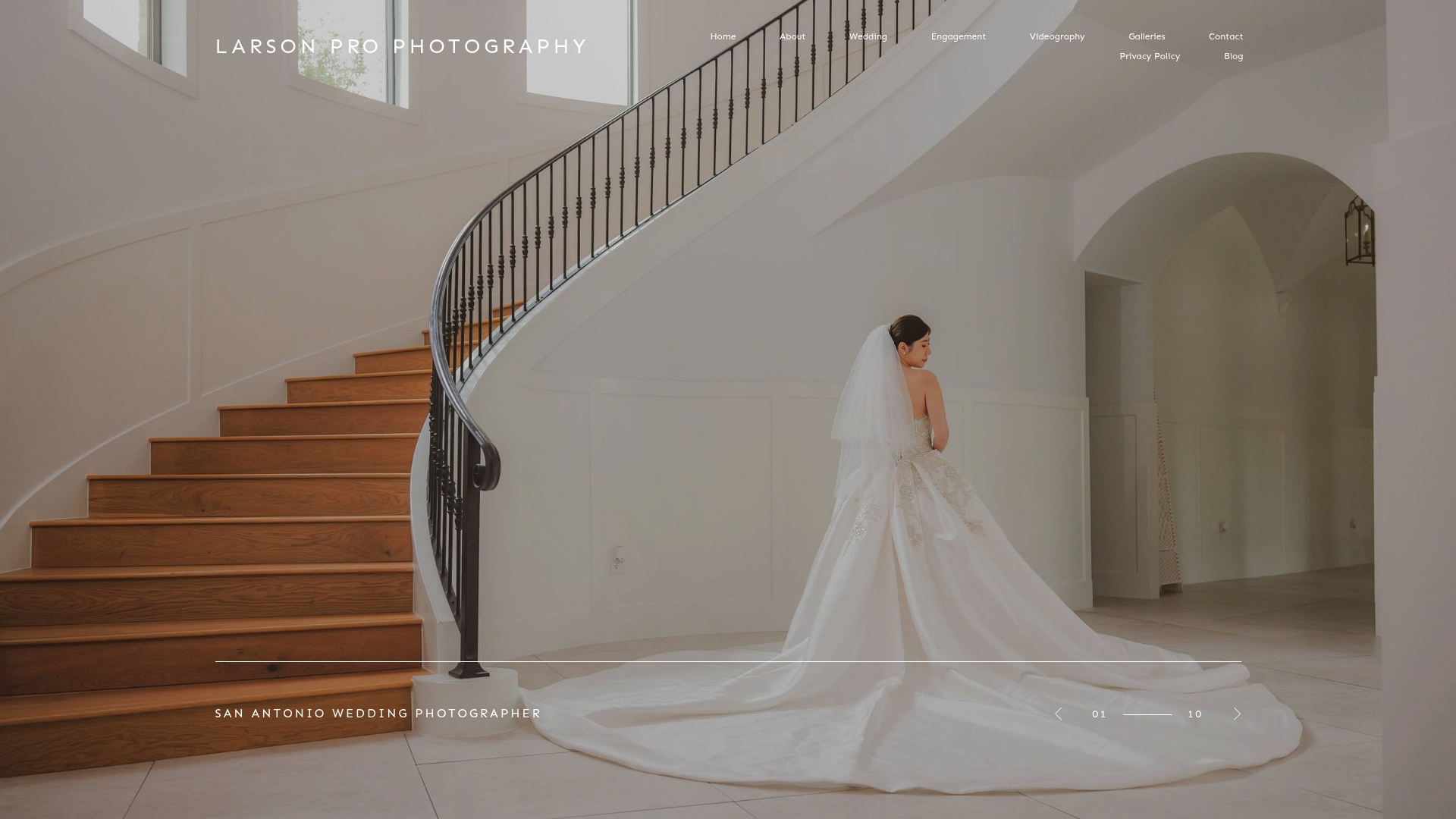
Larsonprophotography brings a warm, cinematic fine art approach to wedding photography and engagement sessions, with pre-shoot styling support, a collaborative planning process, and post-production finished to print standards. Every session includes a concept consultation, wardrobe guidance, and retouching built around the final print size, not just a web gallery. The result is a set of images designed to live on your walls, not just your phone. To check availability and view full client galleries, reach out through the Larsonprophotography client page and schedule a consultation call.