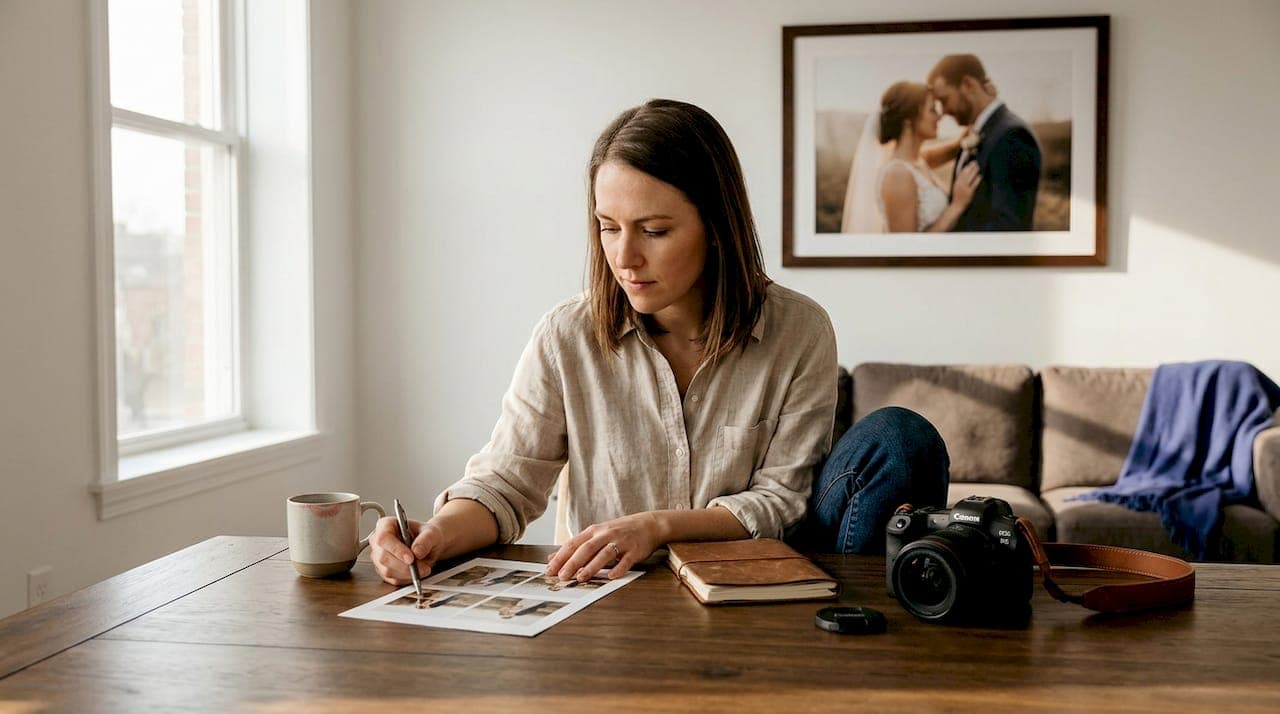
Most couples assume wedding photography is purely a technical skill. Point the camera, nail the focus, get the shot. But that thinking misses everything that separates a beautiful photograph from one you'll actually want to frame and pass down. Fine art wedding photography operates from a completely different foundation: a print-first mindset, intentional storytelling, and a creative vision that treats every frame like a painting. If you're planning a wedding in San Antonio and want images that feel alive decades from now, understanding this approach will change how you choose your photographer and how you prepare for your day.
Table of Contents
- Defining fine art wedding photography
- Key techniques: How fine art photographers capture your story
- Navigating unique wedding challenges: Lighting, ceremony, and more
- What to expect: The fine art wedding experience in San Antonio
- Fresh perspective: Why fine art is more than just a label
- Ready for artistry? Work with San Antonio's fine art wedding photographers
- Frequently asked questions
Key Takeaways
| Point | Details |
|---|---|
| Artistic storytelling | Fine art wedding photography turns your memories into unique, curated works that reflect your story. |
| Blend of styles | Fine art combines editorial posing and candid moments for a more emotionally rich album. |
| Expert handling | Photographers use specialized techniques to manage tough lighting and sensitive ceremonies. |
| San Antonio advantage | Local expertise means every venue and moment is captured with an artistic eye. |
| Print-ready focus | Images are created with final albums and displays in mind, ensuring lasting impact. |
Defining fine art wedding photography
Having set the stage for fine art's transformative value, let's break down exactly what defines this approach and how it stands apart.
Fine art wedding photography is not a filter or a preset. It's a philosophy. The photographer enters your wedding thinking like an artist first and a documentarian second. Every creative choice, from where they position you against the light to which background elements they exclude from the frame, serves the larger goal of telling your story beautifully.
The foundation of this approach is what's known as print-first curation. This means images are composed and edited with the physical album in mind, not just a screen. Colors, contrast, and shadow are dialed in so that a printed photo looks as rich and dimensional as the moment felt. Most photographers shoot for Instagram. Fine art photographers shoot for your grandchildren's walls.
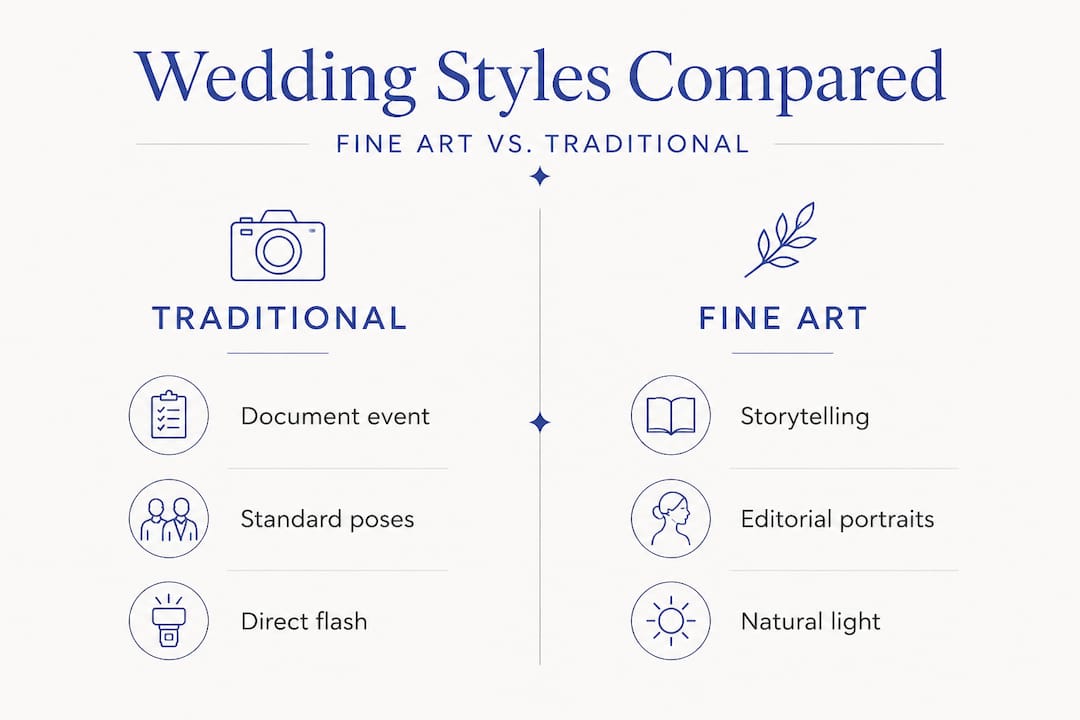
Here's what separates fine art from traditional wedding photography at a glance:
| Feature | Traditional wedding photography | Fine art wedding photography |
|---|---|---|
| Primary goal | Document the event | Tell a visual story |
| Editing style | Bright, colorful, standard | Film-toned, tonal depth, print-ready |
| Posing approach | Standard couple poses | Editorial portraits + candid flow |
| Album focus | Digital galleries first | Print-first curation |
| Frame preparation | Shoot as moments happen | Clean frames, planned compositions |
| Hero portraits | Optional, brief | Structured 5-minute blocks |
Beyond aesthetics, artistic excellence in wedding photography requires a specific set of skills that most photographers simply aren't trained in. You'll notice fine art work by its quiet confidence: no distracting backgrounds, no awkward mid-transition poses, no flat lighting. Every image looks considered.
Key hallmarks of fine art wedding photography include:
- Print-first editing with rich tonal depth and film-inspired rendering
- Intentional frame preparation before shooting key moments
- Hero portrait blocks that set aside dedicated time for couple portraits
- A blend of documentary candids with carefully directed editorial portraits
- Soft, organic light handling that flatters skin tones and adds warmth
This isn't about being precious or overly staged. It's about bringing craft to a day that deserves it.
Key techniques: How fine art photographers capture your story
Now that you know the essence of fine art wedding photography, let's dig into how photographers bring this vision to life through specific techniques.
The methodology behind a fine art wedding photographer's workflow is more structured than most couples realize. Here's a look at the core techniques that shape your final gallery:
-
Frame cleaning before every key shot. Before photographing an important moment, the photographer visually scans and removes distractions. That means repositioning a stray chair, asking a guest to step aside, or moving to an angle where the background complements the subject. Small adjustments create dramatically cleaner results.
-
Hero portrait blocks. These are intentional 5-minute windows built into the wedding timeline, dedicated exclusively to couple portraits. Rather than snatching a few rushed photos between cocktails and dinner, a fine art photographer works with you to carve out focused time where they can direct, compose, and truly create.
-
Mixing documentary candids with editorial portraits. This is the technique that gives fine art galleries their range and emotional depth. Candid moments: your grandmother dabbing her eyes, your partner's nervous laugh, a flower girl spinning in her dress, are captured as they happen. Then editorial portraits bring intention and polish. Together they tell a complete story, not just a highlight reel.
-
Film techniques and light-based rendering. Many fine art photographers shoot on actual film or use digital editing methods that mimic film's organic color response. Skin tones look warm and real. Shadows hold detail without going muddy. The overall feel is soft and timeless rather than sharp and clinical.
-
Thoughtful light reading and positioning. Rather than relying on flash, fine art photographers obsessively seek and use natural light. They'll scout your venue ahead of time, noting where golden light falls at 4pm or where an open window creates a natural soft box effect.
Pro Tip: Ask your photographer to share their preparation routine before your wedding day. A fine art photographer will typically do a venue walk-through and build a shot list that prioritizes light conditions throughout the day, not just the moments they want to capture.
Here's a quick reference for how these techniques translate to results:
| Technique | What it looks like in your gallery |
|---|---|
| Frame cleaning | Clean, uncluttered backgrounds in every portrait |
| Hero portrait block | 15 to 20 cinematic couple images per session |
| Candid documentation | Emotional, unscripted moments woven throughout |
| Film rendering | Warm, tonal, magazine-quality color treatment |
| Natural light prioritization | Soft shadows and flattering, dimensional skin tones |
For more on how to capture wedding moments with this level of intention, it helps to understand how your wedding day's sequence affects the photographer's ability to execute these techniques. Timing really does matter. And knowing the differences between wedding photography styles helps you confirm that fine art is the right fit before you sign anything.
Navigating unique wedding challenges: Lighting, ceremony, and more
The artistry of fine art wedding photography doesn't stop with style. It includes mastery of difficult moments. Next, explore how pros deliver excellence even when things get tricky.
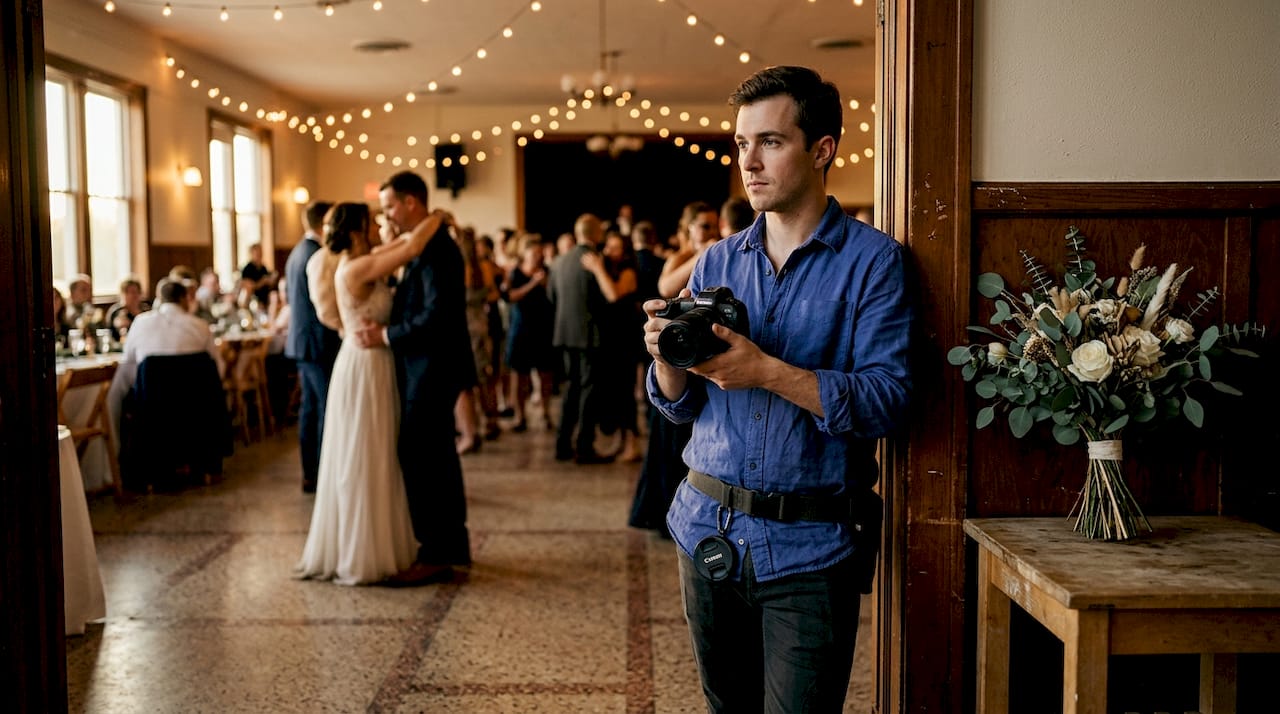
San Antonio weddings come with specific environmental realities. The Texas sun does not play gently. Midday light in the summer can wash out colors, flatten faces, and create harsh shadows under eyes. A skilled fine art photographer turns these conditions into opportunities rather than obstacles.
"Challenging light, including high noon conditions, is handled through strategic positioning and backlighting. Religious ceremonies require liturgical sensitivity without causing disruption." Fine art wedding photography markers
What does this actually look like in practice? A few real techniques:
- Backlighting for midday sun. Positioning subjects with the sun behind them creates a natural glow around the hair and shoulders, turning harsh overhead light into a dreamy halo effect. The face is then lit with reflected or ambient light, soft and even.
- Shade scouting. Every outdoor venue has pockets of open shade, under a tree canopy, inside a courtyard arch, beneath a venue awning. Fine art photographers find these spots in advance and use them for hero portraits.
- Diffused indoor light. For indoor ceremonies, they favor windows and existing ambient light over flash whenever possible. Flash can feel jarring and disruptive during sacred moments.
- Religious ceremony sensitivity. Catholic ceremonies at San Antonio's iconic basilicas, Jewish weddings, and other religious services often restrict photographer movement. A fine art photographer respects these boundaries and works within them, positioning themselves strategically to capture the liturgical moments without ever becoming a distraction.
- Anticipating transitions. The moments between ceremony and reception, vows and rings, processional and recessional, are rich with emotion. Fine art photographers anticipate these transitions rather than reacting to them.
Pro Tip: Share your ceremony program with your photographer at least two weeks before the wedding. Knowing the exact order of rituals lets them plan their positioning without missing a single meaningful moment.
Understanding wedding photography lighting terminology will also help you have more productive conversations with your photographer during the planning process. Terms like "backlit," "golden hour," and "ambient exposure" will suddenly make sense when you're deciding on your portrait timeline.
What to expect: The fine art wedding experience in San Antonio
From artistic vision and technical mastery, let's finish by showing what couples should expect from their San Antonio fine art photographer, so they can confidently plan for their big day.
Hiring a fine art wedding photographer in San Antonio is a different experience from booking a standard wedding vendor. The process starts earlier, involves more communication, and results in a deeply personal gallery that reflects your day with remarkable accuracy and beauty.
Here's a realistic breakdown of what the experience looks like from start to finish:
- Pre-booking consultation. Expect to meet in person or on video to discuss your vision, venue, timeline, and aesthetic preferences. A fine art photographer wants to understand your story before they shoot a single frame.
- Venue and light scouting. Professionals will often visit your venue in advance to understand the light patterns, find the best portrait locations, and identify any logistical considerations.
- Timeline collaboration. Your photographer will work with your planner or coordinator to build a timeline that includes proper hero portrait blocks. This is not negotiable for quality results. Print-first curation only works when there's time built in to actually create those images.
- Day-of execution. Expect a calm, confident presence. Fine art photographers do not rush or scramble. They have a plan and they execute it, adapting gracefully when moments deviate.
- Delivery and album design. The final gallery is curated rather than just dumped into a folder. You'll receive images that tell the day's story in sequence, with consistent tonal treatment and intentional selection.
San Antonio specifically offers extraordinary backdrops for fine art wedding photography. The River Walk's tiled arches and evening reflections, the Spanish Colonial architecture of the Pearl District, the open Hill Country light just outside the city limits, all of these environments reward a photographer who knows how to see and shape light. Your wedding can look timeless and unmistakably San Antonio at the same time.
To set yourself up for the best results, use a wedding photography checklist for 2026 to make sure you've covered every logistical detail before your day arrives.
Fresh perspective: Why fine art is more than just a label
The word "fine art" gets attached to a lot of photography that doesn't deserve it. You'll see it used to describe any wedding gallery with a moody filter or a soft edit. But the real distinction isn't aesthetic. It's intentional.
From working with couples at weddings across San Antonio, one thing becomes clear quickly: the preparation your photographer does before the wedding shapes your memories more than anything they do on the day itself. A photographer who has scouted your venue, planned your light, and thought carefully about your story will capture something fundamentally different from one who shows up with great gear and good instincts.
Most couples don't think about this until after the wedding, when they compare galleries with friends and realize some images feel alive while others feel like records of an event. Fine art photography creates the former. Every image is meant to make you feel something, not just recognize something.
There's also a legacy dimension that rarely gets discussed. The albums and prints that fine art photographers produce are made to last physically and emotionally. They're not just recaps of a party. They're visual heirlooms. Couples who invest in this approach often describe flipping through their album years later and feeling genuinely moved, not just nostalgic.
San Antonio couples have a particular advantage here. The city's cultural richness, its Spanish heritage, its family-centered wedding traditions, its bold outdoor light, all of it feeds naturally into the fine art approach. When a photographer who understands this tradition also understands light and composition, the results are extraordinary.
Staying current with wedding photography trends matters, but fine art's core principles remain constant. Trends change. A beautiful print does not.
Ready for artistry? Work with San Antonio's fine art wedding photographers
If you're inspired by fine art wedding photography, here's how to take the next step for your San Antonio celebration.
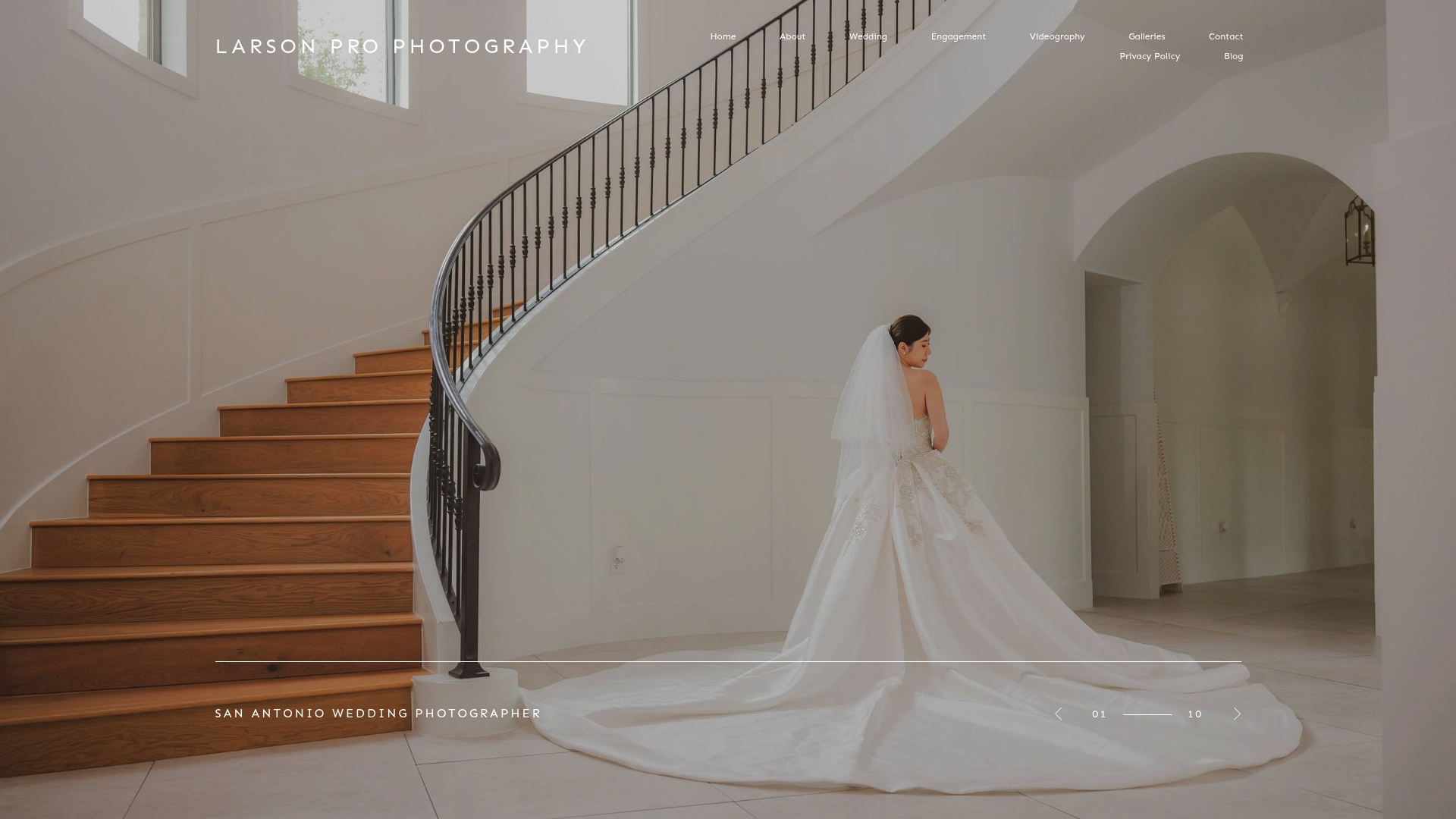
Larson Pro Photography specializes in the kind of intentional, story-driven wedding photography this article describes. Every session is planned with your venue, your light, and your unique story in mind. Explore our San Antonio wedding photography services to see the full scope of what we offer, from timeline collaboration to print-ready album design.
Planning an engagement session first is one of the best ways to build comfort and chemistry with your photographer before the wedding day. Our engagement photography sessions use the same fine art techniques so you arrive at your wedding already knowing how we work together. And when you're ready to see the finished results from real San Antonio weddings, our client gallery gives you an honest look at what's possible. Reach out today to start the conversation.
Frequently asked questions
How does fine art wedding photography differ from traditional styles?
Fine art wedding photography prioritizes print-first curation and artistic storytelling, blending candid documentary moments with directed editorial portraits for a more intentional, curated gallery than traditional approaches deliver.
Can fine art photographers handle tough lighting or church ceremonies?
Yes. They use backlighting and strategic positioning to manage harsh midday sun, and approach religious ceremonies with liturgical sensitivity so coverage stays unobtrusive and respectful throughout.
Is fine art wedding photography suitable for San Antonio venues?
Absolutely. Fine art photographers tailor their approach to San Antonio's specific light conditions, architectural backdrops, and cultural moments, which means every local venue becomes an opportunity rather than a challenge.
What should couples expect during a fine art wedding session?
Expect guided hero portrait blocks, thoughtfully captured candid moments, and careful pre-day planning around your venue's lighting and ceremony flow, all resulting in a cohesive, print-ready gallery.