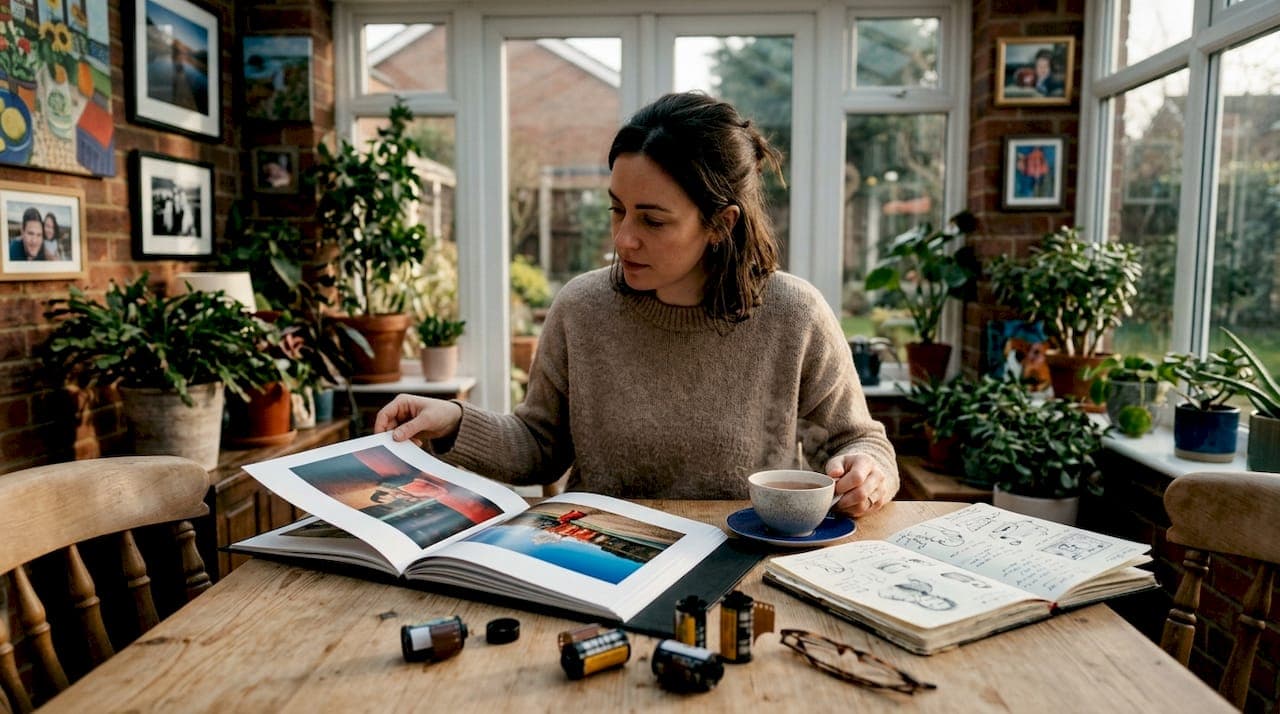
A signature photography style is the distinct visual fingerprint that makes your images unmistakably yours. It communicates your artistic voice before a client reads a single word of your bio. Defining signature photography style, known in professional circles as developing a personal visual identity, is not a weekend project. It unfolds through consistent shooting, honest reflection, and deliberate practice. Photographers like Chase Jarvis and Sean Dalton have built entire careers on the idea that style already exists inside you. The work is finding it, not inventing it.
What is defining signature photography style and why does it matter?
A signature photography style is a recognizable visual language built from consistent choices across lighting, color, composition, and emotional tone. Photographers with a recognizable signature style report higher client clarity and stand out in saturated markets like weddings and real estate. That clarity matters because clients in competitive markets, such as San Antonio wedding photography, make booking decisions fast. A cohesive portfolio communicates artistic value in seconds.
Style also protects your business long term. Trend-chasing produces portfolios that look inconsistent and lack brand equity. Personal storytelling and curiosity produce portfolio coherence and lasting recognition instead. The photographers who endure are the ones whose work looks like theirs, not like everyone else's.

Chase Jarvis describes a photographer's style as their aesthetic handwriting, shaped by repetition and muscle memory rather than conjured from scratch. That framing removes the pressure to invent something new. Your style is already forming every time you press the shutter. The goal is to make it conscious and consistent.
How do you build a vision vault to find your style?
The vision vault is the most practical starting point for any photographer serious about personal style in photography. It works by curating a collection of images that genuinely move you, regardless of who shot them. Curating at least 20 images as a minimum sample gives you enough data to identify real visual patterns rather than surface-level preferences.
Once you have your collection, interrogate it systematically. Ask specific questions about each image:
- Lighting: Is it soft and diffused, or harsh and directional? Indoors or outdoors?
- Color palette: Are the tones warm, cool, muted, or saturated?
- Composition: Do you gravitate toward centered subjects, leading lines, or negative space?
- Mood: Are the images quiet and intimate, or bold and energetic?
- Subject matter: Do people, landscapes, or details appear most often?
Sean Dalton explains that style is not one element but a unique accumulation of small, deliberate creative choices combined consistently over time. Your vision vault reveals which choices you make instinctively. That instinct is the raw material of your style.
Pro Tip: Write one sentence about each image in your vault. Describe what drew you to it. After 20 images, read your notes aloud. The words that repeat are your style vocabulary.
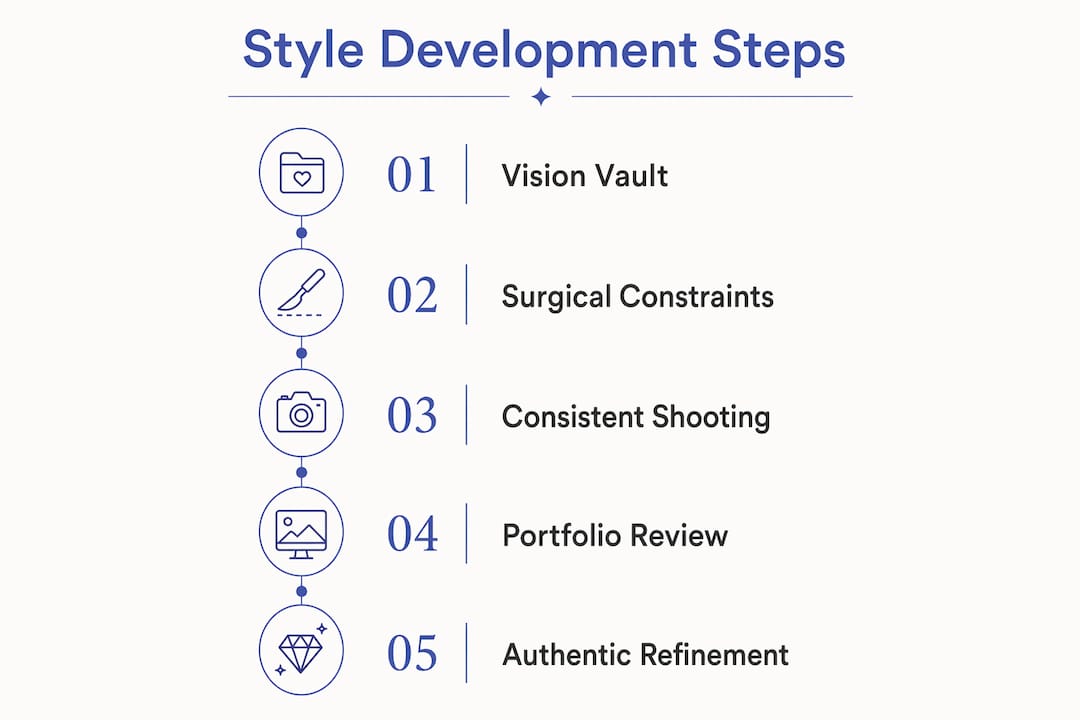
The vault also exposes the difference between what you admire and what you actually create. Many photographers love dramatic, high-contrast editorial work but naturally shoot soft, romantic scenes. Neither is wrong. The vault tells you the truth about your authentic inclinations.
How does surgical constraint accelerate style development?
Surgical constraint is the practice of limiting yourself to one creative variable per shoot. Instead of trying to master lighting, composition, color, and storytelling simultaneously, you isolate a single element and work it deliberately. Focusing on one visual aspect per session rapidly clarifies what genuinely resonates versus what you are simply mimicking from photographers you admire.
The sequential practice works like this:
- Choose one element. Pick lighting for your next three shoots. Shoot only in golden hour, or only in open shade, or only with a single window light source.
- Shoot without changing the variable. Resist the urge to adjust. Let the constraint force creative problem-solving within that one dimension.
- Review the results honestly. Which images feel most like you? Which feel forced?
- Move to the next element. Repeat the process with composition, then color, then subject matter.
- Combine what worked. After cycling through each element, combine the choices that felt most natural into a single session.
A common mistake is trying to copy an entire photographer's style at once. Applying uniform presets to force a look is the most frequent shortcut that backfires. Presets can support a style, but they cannot create one. Style lives in the decisions you make before you open Lightroom.
Pro Tip: After each constrained shoot, pull your five favorite frames and ask: "Would I be proud to show these to a client without editing?" If yes, that element belongs in your style.
Authenticity is the test. If a creative choice feels like work to maintain, it is probably borrowed. If it feels natural and repeatable, it is yours.
How long does it take for a photography style to emerge?
Style development takes 6–12 months of consistent shooting, reviewing, and refining. That timeline surprises photographers who expect a breakthrough moment. Style does not arrive in a flash. It accumulates through repetition until a cohesive visual language becomes visible across your body of work.
The review process is what accelerates the timeline. Every month, pull your 50 most recent images and compare them against your vision vault. Look for convergence. Are your real images starting to share the same lighting quality, color temperature, or emotional tone as the images you collected? That convergence is your style forming.
Signs your style is solidifying include:
- Clients describe your work using consistent words without prompting
- You make creative decisions faster on location because your instincts are trained
- Your portfolio looks cohesive even across different subjects or venues
Post-processing plays a real role in amplifying your style signature. A consistent editing approach in tools like Adobe Lightroom or Capture One reinforces the visual identity you build in camera. The edit should feel like a natural extension of how you shoot, not a correction of it.
Forced or trendy styles burn out for a predictable reason. They require constant maintenance because they are not rooted in genuine preference. Emotional or narrative consistency forms the deepest core of a photographer's signature style, beyond technical choices like color or framing. Photographers who wait for intimate, candid moments consistently produce work that feels unmistakably theirs across every shoot.
What are the core elements of a signature photography style?
Style is an accumulation of deliberate choices across multiple creative dimensions, not a single defining trait. The power of a signature style comes from the unique combination of these elements, applied consistently.
"The photographers who stand out prioritize personal storytelling and curiosity rather than following trends or presets." — VSCO Visual Identity Guide
| Element | What it means | Example approach |
|---|---|---|
| Lighting | Quality and direction of light in every frame | Always shooting in soft, diffused natural light |
| Color palette | Tonal range and temperature across images | Warm, film-inspired tones with lifted shadows |
| Composition | How subjects are placed within the frame | Heavy use of negative space and environmental context |
| Subject preference | What or who you consistently photograph | Candid emotional moments over posed portraits |
| Mood and tone | The emotional register your images carry | Quiet, intimate, and romantic rather than bold |
| Storytelling | The narrative thread connecting your images | Documenting relationships as they unfold naturally |
No single element defines a style. A photographer who shoots warm tones but composes chaotically and chases trends will not have a recognizable identity. Chase Jarvis and Sean Dalton both emphasize that repeatable emotional moments captured consistently across shoots form the deepest layer of a photographer's identity. Technique supports that emotional core. It does not replace it.
Understanding what makes a strong photography portfolio helps you see how these elements work together in a body of work presented to clients.
Key Takeaways
Defining your signature photography style requires consistent practice, honest self-analysis, and patience across months of deliberate creative work.
| Point | Details |
|---|---|
| Style is discovered, not invented | Analyze your existing instincts through a vision vault of 20–50 resonant images. |
| Surgical constraint builds clarity | Isolate one creative element per shoot to identify what genuinely belongs to your style. |
| Style emerges over 6–12 months | Consistent shooting and monthly portfolio reviews accelerate the development timeline. |
| Emotional consistency runs deepest | Repeatable narrative moments define a signature style more than color or technical choices alone. |
| Presets support style but cannot create it | Build your visual identity through in-camera decisions before applying any editing workflow. |
Why I stopped trying to find my style and started listening for it
The biggest mistake I made early on was treating style like a destination. I spent months studying photographers I admired, trying to reverse-engineer their look. The results were technically competent and completely forgettable. Nothing felt like mine because nothing was.
The shift happened when I started reviewing my own work without judgment. I pulled 50 images from the previous three months and laid them out. The pattern was obvious once I stopped looking for what I wanted to see. I was consistently drawn to quiet, in-between moments: a bride adjusting her veil alone, a groom laughing at something no one else heard. That was my style. It had been there the whole time.
Patience is the hardest part to teach. Photographers feel pressure to have a defined style before they have shot enough to know what theirs is. That pressure produces forced, imitative work. The authentic candid approach I eventually settled into took about eight months to feel natural and another four to feel confident enough to lead with it in client conversations.
My honest advice: stop asking what your style should be. Shoot consistently, review honestly, and listen to what your images are already telling you. The style is there. Your job is to recognize it, name it, and repeat it with intention.
— Todd
How Larsonprophotography's work reflects a defined visual identity
A defined photography style does more than satisfy creative ambition. It gives clients a clear reason to choose you over every other photographer in their search results.
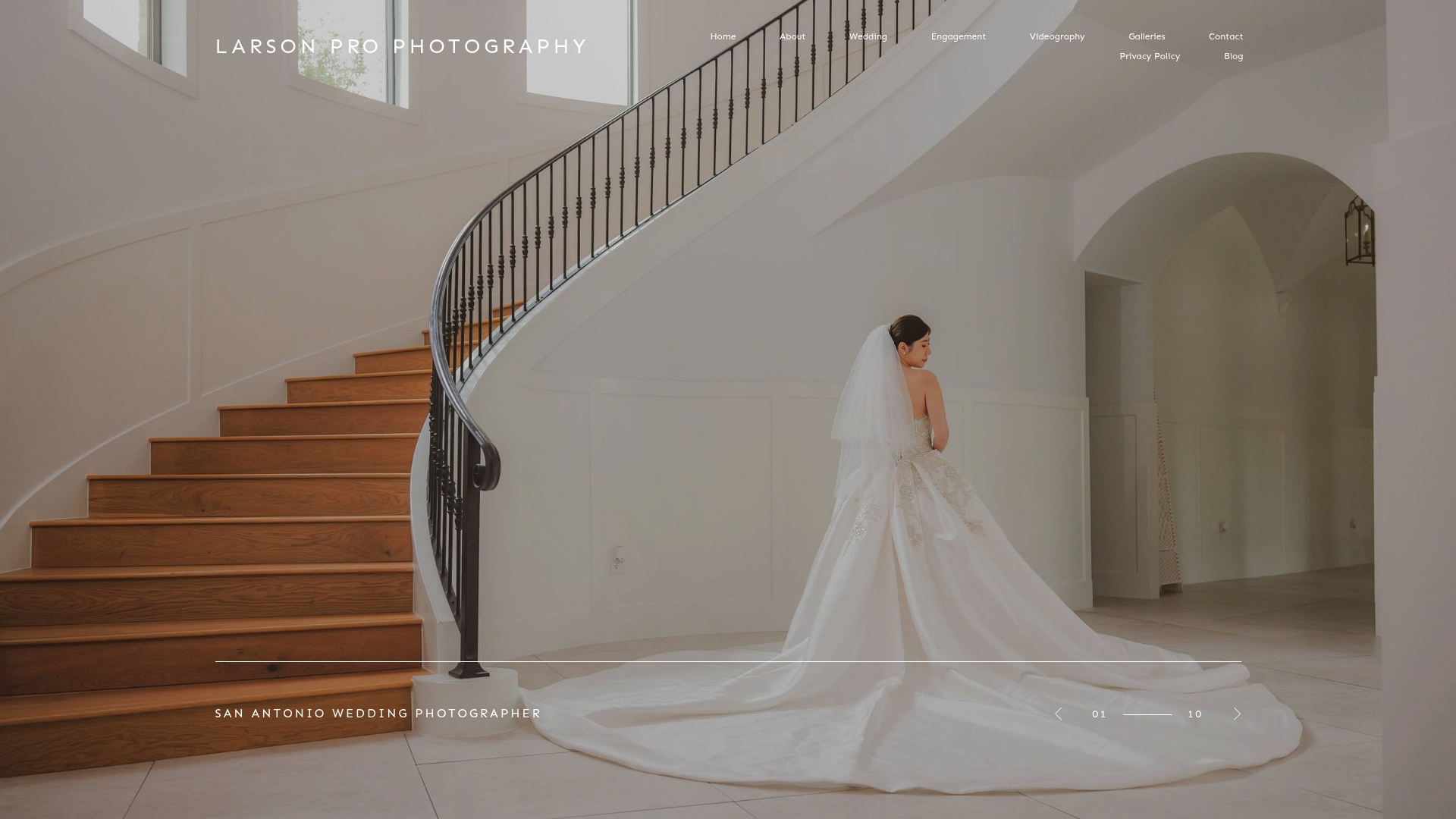
At Larsonprophotography, every wedding and engagement session is built around a consistent visual identity rooted in authentic storytelling and natural light. Couples browsing the wedding photography portfolio see a cohesive body of work that communicates exactly what their experience will feel like. That clarity builds trust before the first conversation. For couples planning an engagement session, the engagement photography gallery shows the same emotional consistency applied to a more intimate setting. Style is not a bonus at Larsonprophotography. It is the foundation of every client experience.
FAQ
What is a signature photography style?
A signature photography style is a recognizable visual identity built from consistent choices in lighting, color, composition, and emotional tone. It makes a photographer's work instantly identifiable across different subjects and settings.
How long does it take to develop a personal photography style?
Style development typically takes 6–12 months of consistent shooting and honest portfolio review. The timeline shortens when photographers actively analyze their work against a curated vision vault each month.
What is the vision vault method for finding your style?
The vision vault is a curated collection of 20–50 images that personally resonate with you. Analyzing shared lighting, color, and compositional traits across those images reveals your authentic visual preferences.
Can you force a photography style with presets?
Applying uniform presets is a common shortcut that produces inconsistent results. Style is built through deliberate in-camera decisions; presets can reinforce an existing style but cannot create one from scratch.
What creative elements combine to form a signature style?
Lighting quality, color palette, composition habits, subject preferences, emotional tone, and storytelling approach all contribute. No single element defines a style. The unique combination of all of them, applied consistently, does.