The main wedding video styles are cinematic, documentary, vintage or Super 8, highlight and teaser, editorial, hype, elopement, storytelling, and traditional. Pick yours by ranking what matters most: emotional polish, a complete record, or shareable clips, then match that priority to audio needs and your preferred runtime. Most videographers blend styles and offer several deliverables in one package, so the real decision is which mix fits your day.
TL;DR:
- Cinematic videos emphasize film-like editing, strong emotional storytelling, and polished visuals, often at a higher cost and with longer editing times.
- Documentary films focus on natural, chronological footage with minimal staging, providing a complete record but with less stylized visuals.
- Super 8 film inserts add a grainy, nostalgic texture but are limited by no sound, short run times, and extra costs for cartridges.
- Highlight and teaser videos are short, shareable clips designed for social media, with teasers lasting under two minutes and highlight reels around three to five minutes.
- Clarifying your priority—emotion, completeness, or shareability—and asking about delivery timelines, licensing, and crew size are essential before booking.
Table of Contents
- Cinematic wedding videography: what it is and when to pick it
- Documentary-style wedding videography: authentic, chronological storytelling
- Vintage and Super 8 film looks: nostalgia with real limits
- Highlight and teaser videos: short, shareable clips done right
- Editorial videography: staged, design-first wedding films
- Hype and reception reels: energetic edits for the party
- Elopement and destination wedding videos: intimacy and place
- Traditional ceremony edits: chronological, low-frills documentation
- Storytelling wedding videos: interviews, voiceovers, and narrative arcs
- How to choose a wedding video style: a decision framework and vendor checklist
- Todd and Larson Pro Photography: studio notes and practical production guidance
- Studio perspective: how we consult couples on style during booking
- Larson Pro Photography videography services and how to book
- FAQ
- Sources
Cinematic wedding videography: what it is and when to pick it
Cinematic wedding videos borrow from film editing: a narrative arc, sweeping camera moves, slow motion during key moments, and color grading that gives the footage a consistent mood. Music drives the pacing more than the literal timeline does, so a ceremony moment might be intercut with reception footage to build emotion rather than follow the clock. Industry guides describe this as "Artistry vs. Archives," where cinematic style favors crafted emotion over strict sequence.
Couples usually get a short feature film lasting several minutes, sometimes paired with a longer artistic cut for archival viewing. This style suits formal venues, portrait-heavy timelines, and couples who want their film to feel like a movie trailer rather than a recording.
- Pros: polished look, strong emotional pull, great for repeat viewing.
- Cons: heavier editing time, less raw ceremony audio, higher cost for drone or gimbal work.
- Ask vendors who edits the final cut, how they handle music licensing, and whether drone footage or supplemental lighting is included.
Documentary-style wedding videography: authentic, chronological storytelling
Documentary coverage follows the day as it happens, with natural audio and minimal staging. Cinematic and documentary styles differ mainly in how much the footage is shaped: documentary stays observational, while cinematic reshapes moments for effect.
Runtimes tend to run longer. A full documentary cut, sometimes called a "FOMO edit," can stretch to roughly 60 to 90 minutes so couples can rewatch the entire ceremony and speeches later. Shorter highlight versions are often included alongside the long-form cut.
- Pros: a complete, faithful record; strong for families who weren't able to attend.
- Cons: less stylized visuals, more raw footage that can feel uneven in pacing.
- Check portfolios for long-form samples, prominent natural sound, and ceremonies shown with minimal staged reshoots.
You can read more about why couples choose documentary coverage for a closer look at what a full-day edit includes.
Vintage and Super 8 film looks: nostalgia with real limits

Super 8 and 16mm film inserts add a grainy, warm texture that digital footage can't fully replicate, and they're typically used as an accent rather than the main coverage. The format has hard limits: each cartridge holds only a few minutes of footage, there's no on-camera sound, and low light makes the image noisy or unusable.
Because of those constraints, most studios pair film cartridges with a full digital crew that captures audio and the bulk of the day. The film segments get edited into the final piece as texture, often during getting-ready moments or portraits.
- Pros: distinctive, tactile look that stands apart from digital footage.
- Cons: extra cost per cartridge, no sound, limited usable minutes.
- Ask how many cartridges are included, what runtime that translates to, and how the film gets integrated into the final edit.
Pro Tip: Ask to see a finished film that blends Super 8 with digital footage before booking, since the transition between formats can look jarring if handled poorly.
Highlight and teaser videos: short, shareable clips done right
Highlight reels and teasers serve different purposes even though they look similar. A teaser usually runs 30 to 90 seconds and goes out within days of the wedding for social sharing. A highlight reel runs longer, typically 3 to 5 minutes, and works as the main shareable deliverable for friends and family.
- Teasers use fast cuts and a single strong music beat drop to create excitement quickly.
- Highlight reels follow a loose emotional arc, often opening with vows or a first look before moving into reception energy.
- Expect social-ready exports (vertical or square formats) separate from archival master files in the original aspect ratio.
- Confirm aspect ratios, file formats, and whether you receive the raw master in addition to the compressed social version.
Studios that specialize in this format often publish guidance on building a highlight reel that holds up over time, which is worth reviewing before you lock in deliverables.
Editorial videography: staged, design-first wedding films
Editorial style treats the wedding like a fashion shoot: directed poses, deliberate lighting, and a consistent visual identity across every frame. It suits couples who built their day around design choices such as a specific color palette, a styled tablescape, or a fashion-forward dress.
- Pros: striking, magazine-quality visuals that photograph and film well for print or portfolio use.
- Cons: less spontaneous coverage, since moments are often directed rather than caught candidly.
- Look for consistent framing across a portfolio, fashion-style cuts, and couples posed with intention rather than captured mid-motion.
This style pairs naturally with a photographer who already shoots editorial stills, since the lighting and direction choices tend to carry over between the two mediums.
Hype and reception reels: energetic edits for the party
Hype reels capture the reception's energy: dancing, toasts, and the kind of chaos that doesn't translate well into a slow cinematic edit. They're cut fast, synced tightly to an upbeat track, and sometimes delivered the same night as a same-day edit played during the reception itself.
- Pros: high shareability, captures the party's real energy, works well for social posts.
- Cons: can shortchange ceremony coverage if crew time isn't planned carefully.
- Expect editing choices like quick frame-rate shifts for motion effects and low-light strategies for dim reception lighting.
- Confirm with your crew how they'll split time between reception hype footage and ceremony essentials so neither gets shortchanged.
Scheduling matters more here than in any other style, since a crew focused on dance-floor energy can miss a toast or a quiet moment elsewhere.
Elopement and destination wedding videos: intimacy and place
Elopement and destination films lean on location as much as the couple. A typical structure includes a portrait session, wide shots of the setting, and an intimate ceremony that might involve just a handful of guests or none at all. The blend often combines cinematic portraiture with documentary-style ceremony coverage.
Destination shoots bring logistics that local weddings don't: travel fees, permits for filming at certain locations, and local drone regulations that vary by site. Turnaround can also run faster since crews are already dedicated to a single event rather than juggling a weekend of bookings.
- Pros: stunning natural backdrops, a quieter and more personal tone.
- Cons: added travel costs, permit logistics that fall on either the couple or the vendor.
- Confirm who handles permits, whether the vendor carries their own travel insurance, and the expected turnaround time once you're home.
Pro Tip: Ask early who is responsible for securing filming permits at your destination. Vendors differ on whether that cost and paperwork falls on them or on you.
Traditional ceremony edits: chronological, low-frills documentation
Traditional wedding videos are the most straightforward option: a chronological edit with minimal effects, focused squarely on the ceremony and the key formal moments like the first dance or cake cutting. There's little in the way of narrative shaping or stylized color work.
Families who want a direct, uncomplicated record tend to choose this style, as do budget-conscious couples who don't need a cinematic treatment. Deliverables usually include a standalone ceremony edit, a combined ceremony-plus-reception cut, or raw footage with no editing beyond basic trimming.
- Pros: lower cost, straightforward delivery, nothing lost to stylistic choices.
- Cons: little emotional shaping, less compelling for repeat viewing years later.
- Compare traditional packages against stylized ones by asking what's cut from the final edit, since traditional often means less post-production time rather than less footage captured.
Storytelling wedding videos: interviews, voiceovers, and narrative arcs
Storytelling edits add a layer that documentary and cinematic styles don't: pre-wedding interviews with the couple, voiceovers, and curated audio bites woven through the visuals. The result plays more like a short film with narration than a straight record of the day.
This differs from documentary coverage, which stays observational, and from cinematic editing, which relies on music and pacing rather than spoken narrative. Storytelling films often run alongside a standard highlight reel, adding 5 to 10 extra minutes built around the interview content.
- Pros: deeply personal, captures the couple's own voice and perspective.
- Cons: requires extra interview time before or after the wedding, adding logistics.
- Ask about interview scheduling, whether release forms are needed for the footage, and how music licensing applies to any narrated sections.
For couples who want their video to carry a narrative thread, guides on building a cinematic edit that holds up over years offer useful groundwork, since storytelling and cinematic editing share several techniques.
How to choose a wedding video style: a decision framework and vendor checklist
Start by ranking what you want most: emotional polish, a complete record, or clips built for sharing. That single choice narrows the field fast, since cinematic and editorial lean toward polish, documentary and traditional lean toward completeness, and highlight or hype reels lean toward shareability.
- Decide your story priority: emotion, completeness, or shareability.
- Decide how much weight audio carries versus visuals, since vow and speech audio matters more in documentary and storytelling edits.
- Choose your deliverables: a short teaser, a highlight reel, a feature film, or a full-length documentary cut.
- Set a realistic budget range based on crew size, hours booked, and editing time.
Before booking, ask every vendor the same core questions:
- What's the turnaround time from wedding day to final delivery?
- Do I receive raw master files in addition to the edited version?
- How is music licensing handled for any commercial tracks used?
- How many crew members will be on-site, and are there fees for drones or additional lighting?
One detail to check closely: popular commercial songs usually require a separate synchronization license that many videographers don't cover by default, which can mean an unexpected fee or a swapped-out track if you don't ask upfront.
Price shape depends on hours of coverage, crew size, equipment like drones or gimbals, travel distance, and how much time the editor spends on your specific style. A traditional single-camera edit takes far less editing time than a layered storytelling film with interviews, and that gap shows up in the quote.
When reviewing a portfolio, check whether sample edits include complete ceremony audio, consistent color grading, and a mood similar to what you're picturing. A portfolio full of flashy highlight clips but no full-length samples is a red flag if you want a complete record, not just a trailer.
Todd and Larson Pro Photography: studio notes and practical production guidance
A studio shooting weddings and engagements often uses a blend of editorial and documentary techniques, resulting in deliverables that pair posed, design-led portraits with unscripted ceremony and reception coverage. That mix lets couples get both a polished portrait sequence and a faithful record of the day's real moments.
A few practical notes from studio experience:
- Ambient sound, including guest chatter and room tone, adds texture to a final edit even when it's not the focus of a scene. Ambient audio in wedding films is worth understanding before you assume vows are the only audio that matters.
- Pairing Super 8 with digital footage works best when the film segments are limited to a handful of key moments rather than spread across the whole day.
- Realistic delivery timelines matter more than rush promises. A rushed edit often means less attention to color grading and audio mixing.
Readers looking for more technical depth can review the studio's breakdown of cinematic techniques used in modern wedding films, which covers camera movement and color grading choices in more detail.
Studio perspective: how we consult couples on style during booking
During booking consultations, we ask couples what they want to feel when they rewatch their film years from now, not just what looks good in a sample reel. That question usually surfaces whether they're after emotion, completeness, or something shareable, and the package gets built around that answer. Most couples end up blending two styles rather than picking one outright.
— Todd
Larson Pro Photography videography services and how to book
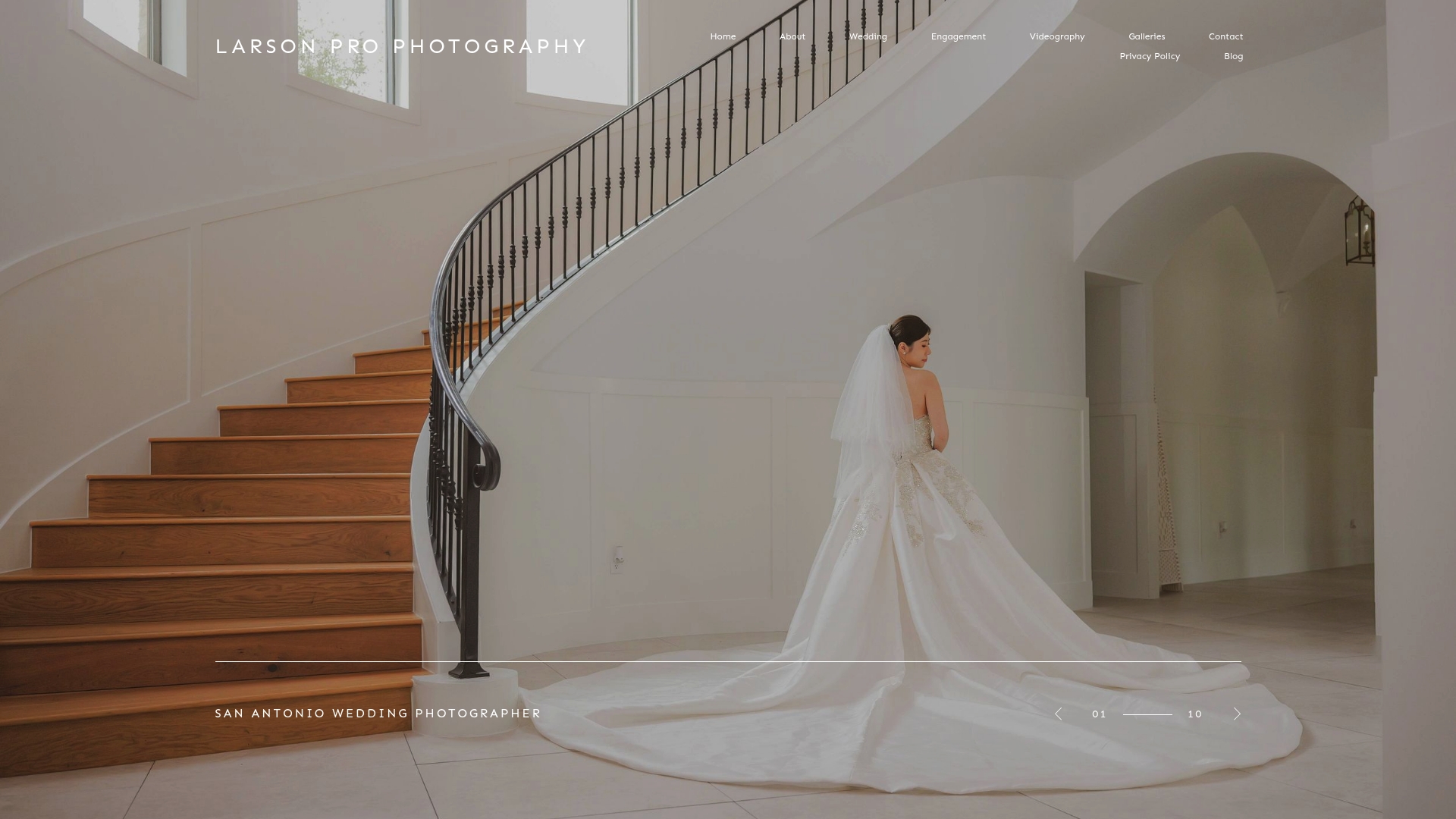
Choosing a style is only half the decision. The other half is finding a crew that can actually deliver it without surprises in turnaround time or licensing fees. Larson Pro Photography offers wedding videography built around that same editorial-plus-documentary blend, covering everything from highlight reels to full feature films.
- Wedding videography packages covering ceremony, reception, and portrait sessions.
- Highlight reels and longer feature films available within the same booking.
- Destination and elopement coverage for couples marrying outside their home area.
- Engagement sessions available as a standalone shoot or paired with wedding coverage.
If you're ready to see sample work or check dates, visit the wedding services page to start a conversation about your day.
FAQ
What is the most popular wedding video style right now?
Cinematic and documentary styles remain the two most requested approaches, often blended into a single package. Industry lists consistently rank these two above other formats, with highlight reels added as a shorter companion deliverable.
How long should a wedding highlight video be?
Most highlight reels run 3 to 5 minutes, while teaser clips released shortly after the wedding run closer to 30 to 90 seconds. The exact length depends on how much of the day the couple wants represented versus how quickly they want something to share.
Can I use any song I want in my wedding video?
Not without checking first. Popular commercial tracks typically require a synchronization license that most videographers don't include by default, so licensed or royalty-free music is the common workaround.
Does Larson Pro Photography offer destination wedding videography?
Yes, Larson Pro Photography provides videography services that extend to destination and elopement weddings, blending cinematic portraiture with documentary-style ceremony coverage. Travel logistics and turnaround details are confirmed during booking.
What should I ask a videographer before booking?
Ask about turnaround time, whether you receive raw master files, how music licensing is handled, and how many crew members will be present. These four questions cover the areas most likely to cause surprises after the wedding.
Sources
- 10 Wedding Video Styles Experts Say You Should Know About
- Wedding videography styles: a complete guide
- The Right Wedding Videography Style for You