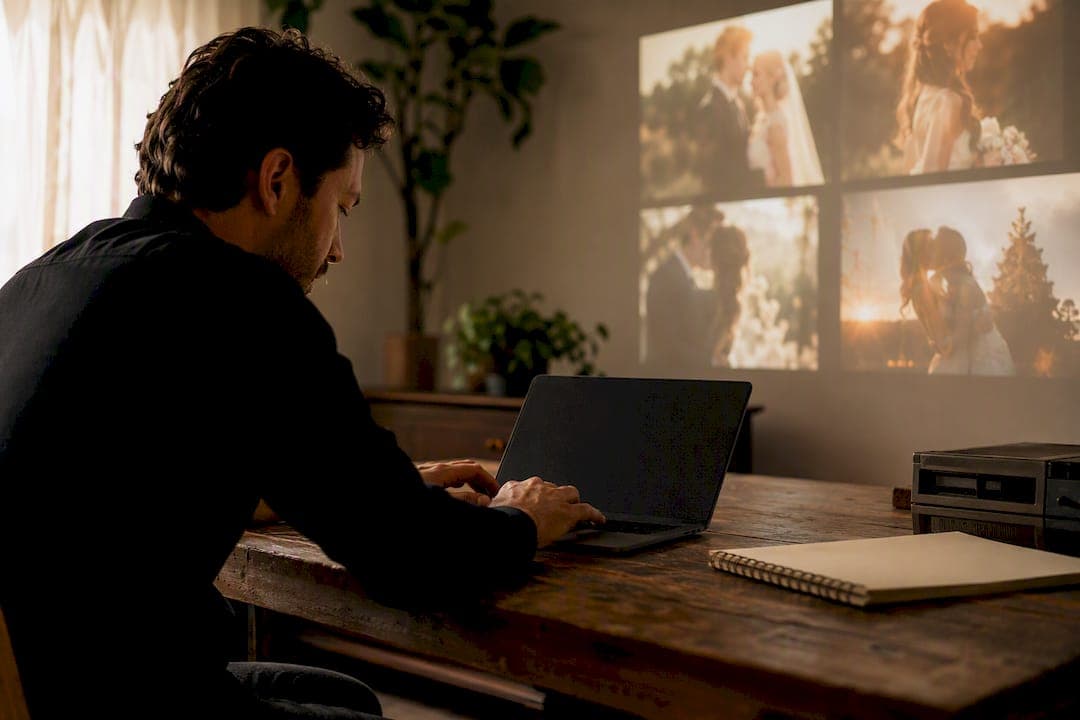
Yes, you can pick the songs for your wedding highlight film. You just can't publish that film publicly with an unlicensed pop song sitting under it and expect it to stay online. Couples propose the mood and reference tracks; the videographer's job is making sure whatever plays under a public highlight is properly licensed.
Here's what to do before editing even starts:
- Pick a mood and hand your editor 2 to 3 reference songs, not a 40 track playlist.
- Ask directly how they license music, whether that's a subscription library, a single sync license, or both.
- Watch the final cut and approve it before anyone posts it anywhere.
Pro Tip: Unlicensed commercial tracks are one of the fastest ways to get a wedding video muted or pulled from Instagram and YouTube. Platforms scan audio automatically, and the takedown often happens within hours of posting.
Key Takeaways
Choosing wedding video music comes down to picking references early, using a licensed library or sync deal for anything public, and keeping a private copy for the songs that actually played.
| Point | Details |
|---|---|
| Couples propose, editors clear | Share 3 to 5 reference songs; let your videographer confirm licensing before anything's public. |
| Match music to scene | Slow instrumentals for vows and getting ready, upbeat tracks for reception and exit. |
| Know your license type | Sync licenses cover one song; subscription libraries like Musicbed or Soundstripe cover ongoing access. |
| Split public and private | Keep an unlicensed private copy for home viewing; only publish licensed music publicly. |
| Work with a guided process | Larson Pro Photography curates a licensed shortlist and edits highlights around 2 to 3 tracks per film. |
Table of Contents
- How Do You Choose Wedding Video Music That Fits Each Scene?
- What Music License Do You Actually Need for a Wedding Video?
- Which Licensed Music Libraries Work Best for Wedding Films?
- What's the Step-by-Step Process for Locking In Your Soundtrack?
- How Does a Wedding Videographer Actually Choose Your Music?
- Why Most Wedding Music Advice Misses the Real Problem
- How Larson Pro Photography Handles Your Wedding Soundtrack
- Frequently Asked Questions
- Sources
How Do You Choose Wedding Video Music That Fits Each Scene?
Good music selection isn't about finding your favorite song and hoping it fits. It's about matching sound to the emotional weight of each moment in the film.
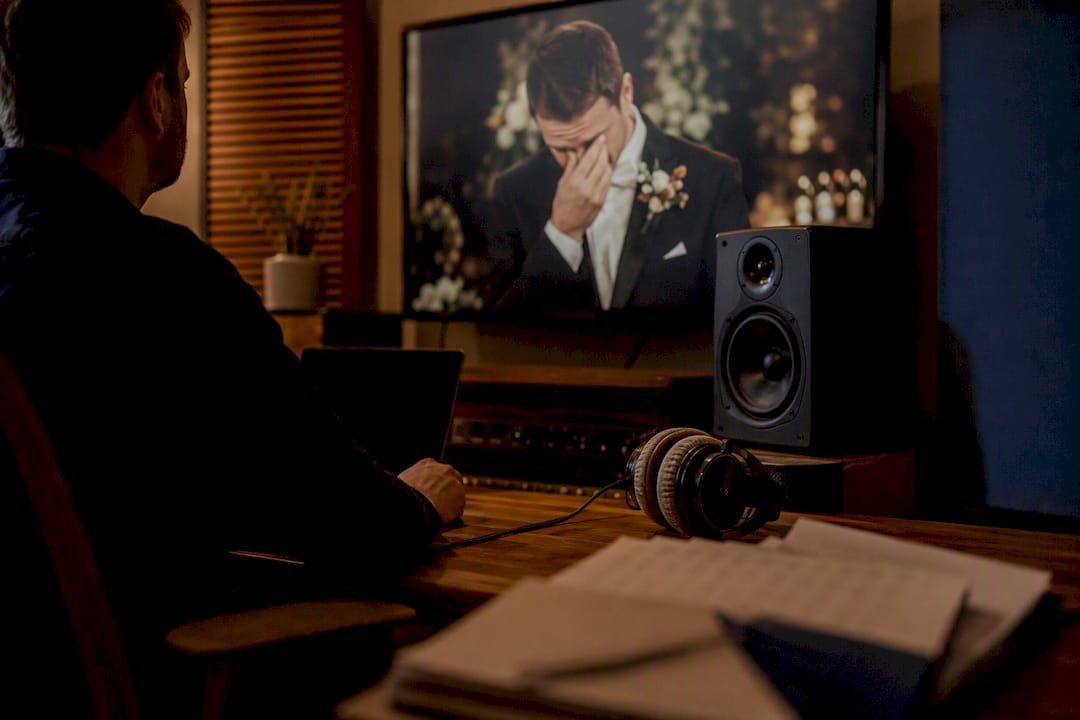
Slow instrumentals belong under getting-ready footage and vows. Anything with a strong beat kills the intimacy of a quiet moment where someone's hands are shaking while they read a note. Save the upbeat, percussive tracks for the reception, the exit, the dance floor chaos. That contrast is what makes a highlight reel feel like it has an arc instead of just being a slideshow with sound.
Lyrics are trickier than most couples assume. Vows and speeches almost always work better under instrumental music, because lyrics compete with dialogue for the viewer's attention. Save songs with words for transitional moments, the reception montage, or the closing shot, where there's no competing audio.
- Break your film into sections: prep, ceremony, portraits, reception. Assign a different emotional tone to each.
- Choose 2 to 3 songs total that build from quiet to celebratory. That's a proven structure for a 3 to 6 minute reel.
- Check tempo and phrasing against your actual footage. A song's BPM and its natural pauses dictate where cuts land, so play it against a rough edit before locking it in.
- Skip whatever's trending on TikTok this month if you want the film to feel timeless in ten years. Trend-chasing songs date a video faster than anything else in it.
The couples who end up happiest with their soundtrack usually picked something meaningful to them personally over something popular. Brides makes that same case in its curated song lists: timeless beats trendy almost every time.
What Music License Do You Actually Need for a Wedding Video?
A synchronization license, usually shortened to "sync license," is the legal permission to pair a piece of recorded music with visual footage. Playing a song at your reception is one thing; syncing that same song to video and posting it publicly is a separate legal act, and it's the one that gets videos taken down. Musicbed's licensing guide lays out why using a chart-topping pop song without that permission is a real risk, not a theoretical one.
There are two common ways to get cleared music. A single-song license covers one specific track for one specific project, which makes sense if you're set on a particular song. A subscription or royalty-free model gives your editor ongoing access to an entire catalog, which is usually the more practical route if you're not married to one exact song.
Private versus public matters just as much as which license you buy. The full-length ceremony and reception footage, kept as a private file for your own viewing, can include whatever music actually played that day, licensed or not. The public highlight, the one going on social media or a shareable link, needs cleared music from top to bottom.
Before anything goes live, confirm four things with your videographer:
- Platform rights (does the license cover YouTube, Instagram, and Facebook specifically?)
- Territory (some licenses are region-locked)
- Run time limits (some licenses cap usage at a certain video length)
- Whether you're allowed to re-share or repost the film yourself later
Soundstripe's guide to wedding video songs recommends steering clear of copyrighted pop songs for anything public, favoring subscription libraries instead for exactly this reason.
Which Licensed Music Libraries Work Best for Wedding Films?
Four names come up again and again in the wedding video world, and each one has a slightly different personality.
- Musicbed leans curated and artist-driven, with a catalog built around cinematic, emotionally weighted tracks. It's the go-to when a videographer wants something that feels handpicked rather than generic.
- Soundstripe runs on a subscription model with playlists organized around specific use cases, wedding included, which makes browsing fast.
- Artlist offers straightforward unlimited licensing under one flat membership, appealing to editors who deliver a high volume of films and don't want to think about per-song math.
- Epidemic Sound stocks a large, social-media-friendly library, with themed collections built specifically around romantic and wedding projects.
When you're browsing any of these, filter by mood, BPM, and instrumentation, and separate vocal tracks from instrumental ones early. Curated wedding playlists inside these platforms are a faster starting point than searching blind. If choosing from a catalog feels like too much, ask your videographer to pull a shortlist of five or six options themselves. Most editors would rather curate three strong choices for you to react to than field an open-ended request.
What's the Step-by-Step Process for Locking In Your Soundtrack?
Music decisions work best on a timeline, not as a last-minute scramble the week before delivery.
- At booking: Bring up music preferences early, even loosely. "We want something warm and acoustic" is enough to start.
- 2 to 4 weeks before editing: Send 3 to 5 reference tracks that capture the feeling you want, not necessarily songs you expect to use outright.
- During editing: Your editor typically narrows those references down to 2 or 3 tracks that build across the film and shares a cut for review.
- Before release: You approve the cut, including a lyrics check and confirmation that the license covers wherever you plan to share it.
Pro Tip: Keep a separate, unlicensed private copy of your full ceremony and reception if you want the actual songs your DJ played preserved for home viewing. Only the public highlight needs to run on cleared music.
Run through one final checklist before anything goes public: track selection locked, lyrics reviewed for tone, license confirmed for your platform, and music volume balanced so it never drowns out vows or a father-daughter speech. If coordination has felt scattered so far, a videographer coordination checklist helps keep everyone on the same page, and The Special Wedding's timeline workflow guide is worth a look if your whole day's schedule feels loosely held together.
How Does a Wedding Videographer Actually Choose Your Music?
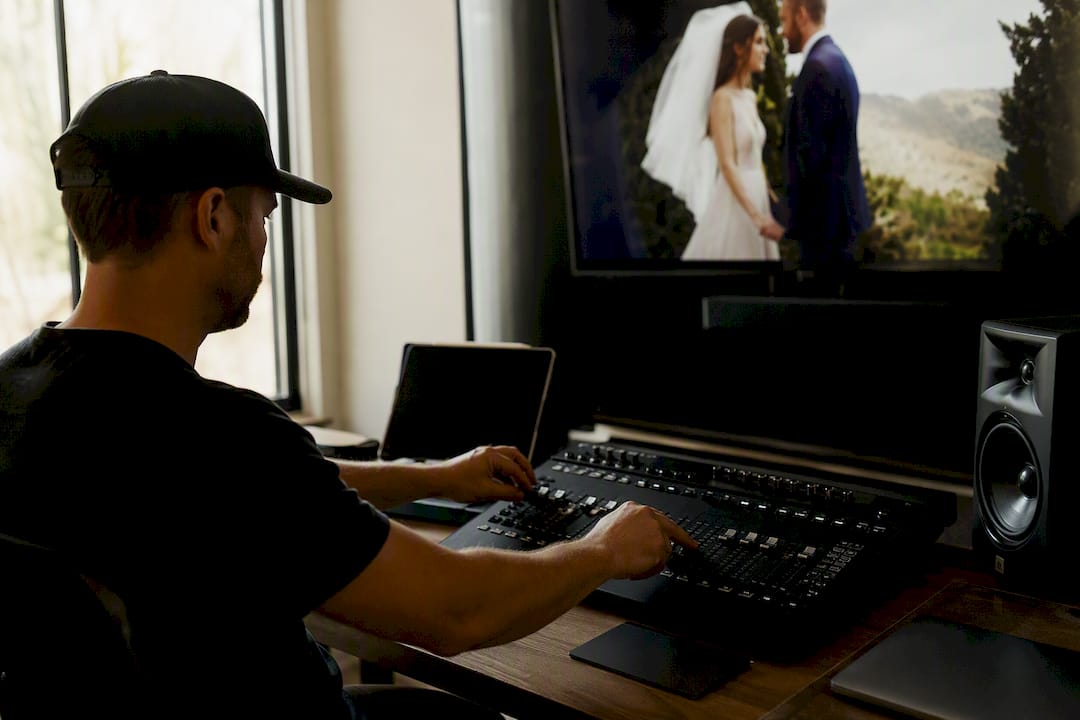
At Larson Pro Photography, the process starts with a conversation, not a catalog search. Couples share a handful of songs that capture how they want the film to feel, and from there, a curated, fully licensed shortlist comes back for approval. Most highlight films end up built around 2 to 3 tracks, not one song looping for six minutes.
That approach mirrors what One Story Weddings describes as a three-step process across the industry: gather references, match them to footage, then layer in sound design for narrative flow. Editing around vows without stems available means often dropping a track's volume low under dialogue and mixing in ambient room sound so the moment still breathes.
A licensed highlight and a private full-length copy aren't competing formats. They're two different tools solving two different problems: one keeps you legally safe online, the other keeps the actual sound of your day intact at home.
This split is what protects couples from copyright headaches while still preserving the songs that mattered on the actual day, just in the right place.
Why Most Wedding Music Advice Misses the Real Problem
Most articles on this topic treat licensing as a legal footnote and selection as the main event. That's backward. The song you love has almost no chance of becoming a legal problem if you never intended to post it publicly in the first place, but couples rarely think through that distinction until an editor asks about it.
The bigger gap in conventional advice is treating "pick a song you love" as sufficient guidance. It isn't. A song that sounds perfect in your car sounds completely different cut against footage of your dad crying during a toast. Tempo and phrasing matter more than personal attachment once picture is involved, which is exactly why professionals ask for references instead of final answers.
If there's one thing to prioritize first, it's the private versus public split. Decide early which songs you want preserved for home viewing regardless of licensing, and which ones need to survive a platform's copyright scan. That single decision shapes everything downstream, from which library you browse to how your editor structures the cut.
How Larson Pro Photography Handles Your Wedding Soundtrack
Larson Pro Photography treats music selection as part of the filmmaking process, not an afterthought bolted on during editing. You share the songs and feelings that matter to you, and Larson Pro brings back a curated set of licensed options built specifically for the tone of your day. Highlight films get edited around 2 to 3 tracks that build an actual arc, and you still receive a private, full-length copy with the day's original audio intact for your own archive.
You can see how this plays out in real films on the Clients page, where past highlight reels show the music and editing style in action. Couples planning an engagement shoot alongside their wedding coverage can also check the Engagement page for combined package details. If you're ready to talk through your date and what your soundtrack could look like, reach out through the Clients page to start the conversation.
Frequently Asked Questions
Can I choose the exact songs for my wedding video? You can propose whatever songs capture the mood you want. Your videographer will then confirm whether those tracks can be legally cleared for public use, or find licensed alternatives that hit the same feeling.
Do I need a license if I only share the video privately? Private, unshared copies for personal viewing generally carry lower risk since they're not published anywhere public. Anything posted to social media or a public link needs properly licensed music.
How many songs should a wedding highlight video use? Most professional edits use 2 to 3 tracks for a 3 to 6 minute highlight, built to move from quiet and intimate to upbeat and celebratory.
What's the difference between Musicbed, Soundstripe, Artlist, and Epidemic Sound? Musicbed leans curated and artist-driven, Soundstripe runs on organized subscription playlists, Artlist offers flat-fee unlimited licensing, and Epidemic Sound focuses on a large, social-friendly catalog.
Should I avoid using a popular song I love in my wedding video? Not necessarily. A single-song sync license can clear a specific commercial track for use, but it usually costs more and takes longer than pulling from a licensed library, so it's worth deciding early if that one song is worth it.
Sources
- The Ultimate Guide to Wedding Video Music Licensing - Musicbed Blog
- How to Choose the Best Wedding Video Songs - Soundstripe
- 78 best wedding video songs - Brides
- Wedding Film Music Selection Guide | One Story Weddings