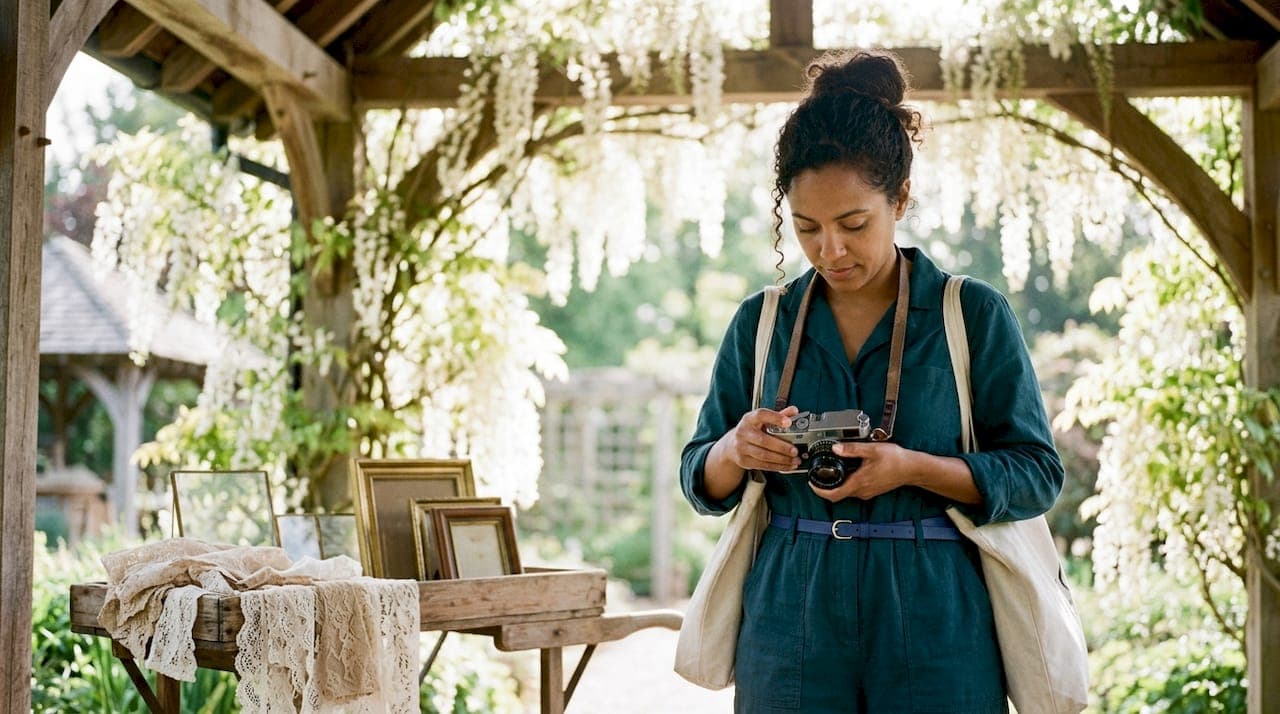
Visual narrative in wedding photography is defined as the deliberate sequencing of images to tell the full emotional story of your wedding day, from the first nervous breath to the last dance. It goes far beyond documentation. Where standard photography captures moments, visual storytelling in weddings captures meaning. Techniques like candid editorial photography, sequential composition, and layered framing work together to produce a gallery that feels less like a photo album and more like a film you can hold. Larsonprophotography builds every wedding shoot around this narrative approach, treating each couple's day as a story worth telling with intention and depth.
What is visual narrative in wedding shoots?
Visual narrative is the industry term photographers use to describe story-driven photography. It is the practice of arranging images so they guide a viewer through a complete emotional arc, from anticipation and tenderness to joy and resolution. The result is a gallery that reads like chapters of a book rather than a random collection of portraits.
The difference between visual narrative and simple photo documentation is significant. Documentation asks, "Did we get a photo of the cake?" Narrative asks, "Did we capture the moment you looked at each other while cutting it?" One produces a checklist. The other produces a memory you can feel.
Sequential storytelling organizes photos to guide viewers through the wedding day like a cinematic experience, illuminating anticipation, climax, and resolution. That structure is what separates a forgettable gallery from one couples return to for decades. Pre-wedding sessions also contribute to this arc. Storytelling sessions before the wedding capture intimate, quieter moments that deepen narrative authenticity on the wedding day itself.
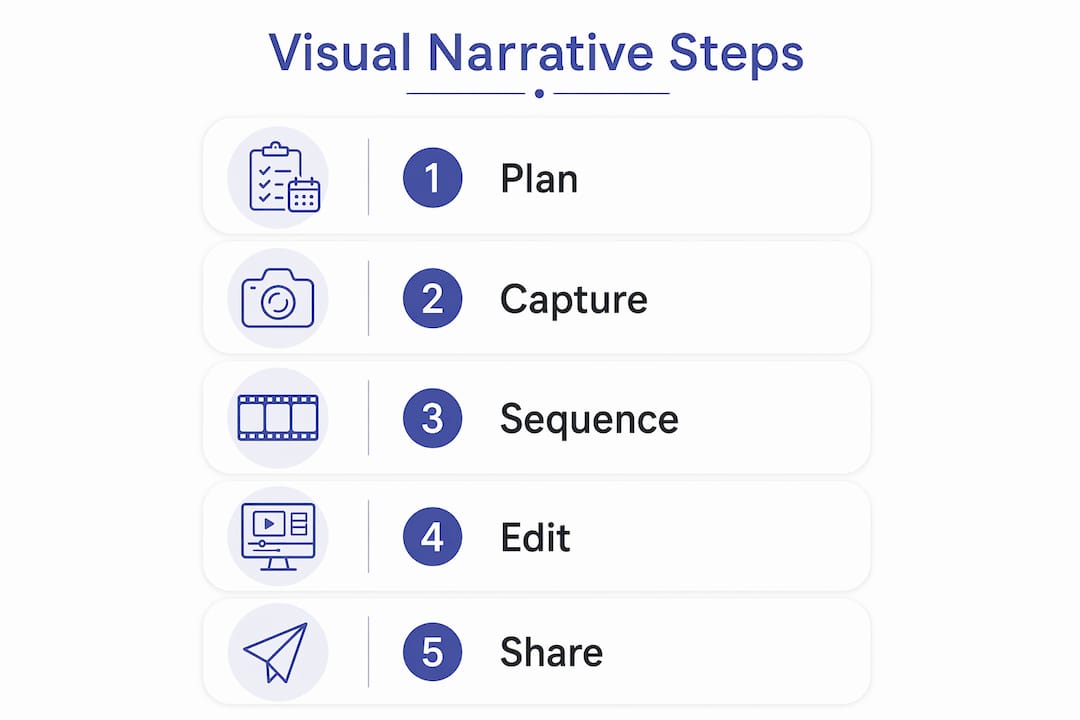
How do photographers create authentic visual stories?
The foundation of authentic wedding storytelling is candid editorial technique. Candid photography captures genuine emotions by letting moments unfold without interference. Editorial technique adds artistic intention through lighting, composition, and framing. Together, they produce images that feel both real and beautiful.
Photographers use non-intrusive direction such as "walk slowly and talk to each other" to elicit genuine reactions. That kind of prompt removes the stiffness of a posed portrait without leaving couples directionless. The result is natural movement, real laughter, and unguarded expressions. You can read more about these methods in this guide to natural wedding photos.
The editorial photography approach uses artistic elements like lighting, scale, and negative space to reflect the couple's true essence and avoid artificial poses. Its roots are in fashion and lifestyle photography, which means it prioritizes visual artistry over rigid formulas. A skilled photographer reads the light in a room and positions you within it, not the other way around.
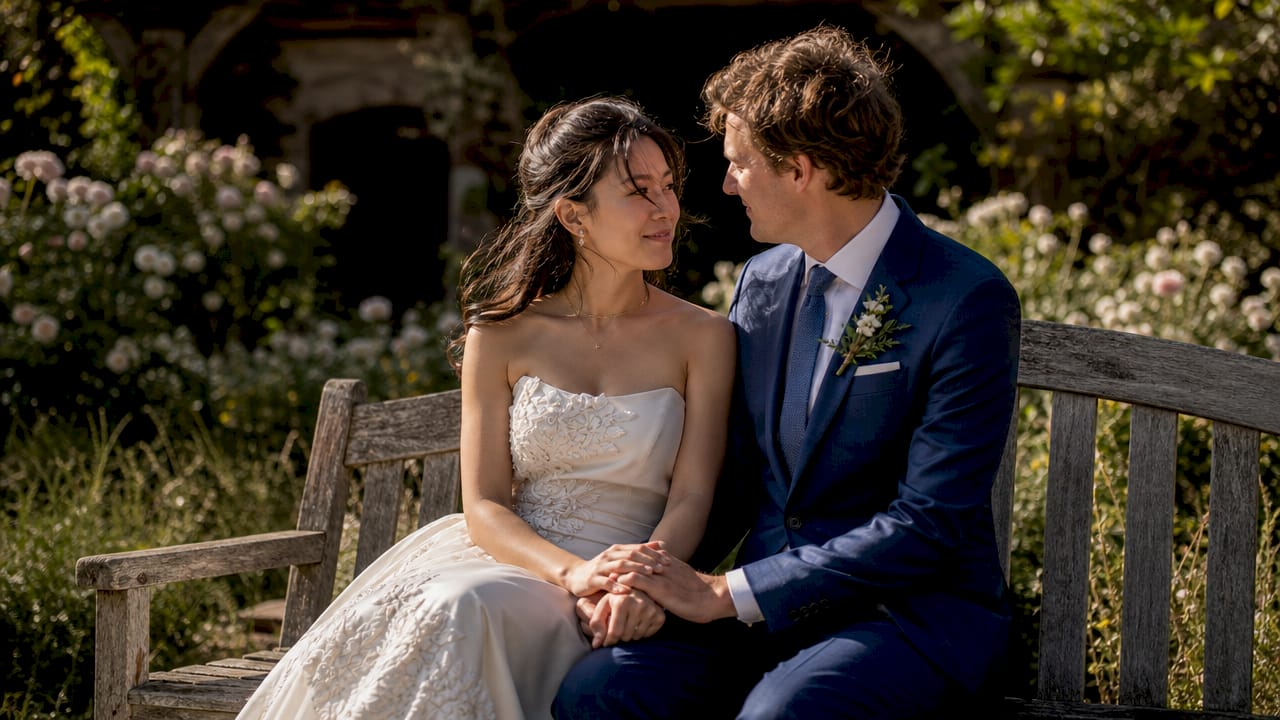
Layering photographs by shooting through foreground elements like foliage or doorways invites viewers to immerse themselves in the scene rather than observe from afar. This technique adds emotional depth that a clean, flat portrait simply cannot replicate. When you look at a photo framed through a doorway arch, you feel like you are witnessing something private and real.
Pro Tip: Ask your photographer to show you examples of layered or framed shots from past weddings. If their portfolio only shows clean, centered portraits, their approach may lean toward documentation rather than narrative.
Key methods photographers use to build a visual story:
- Candid observation: Watching and waiting for unscripted moments rather than staging them
- Gentle prompts: Giving couples simple actions that produce natural reactions
- Editorial framing: Using light, shadow, and negative space to add mood
- Foreground layering: Shooting through objects to create depth and intimacy
- Micro-moment capture: Focusing on a hand squeeze, a glance, or a whispered word
How does your wedding day timeline affect the story?
A flexible timeline is one of the most underrated tools in wedding photography. When your schedule is packed with back-to-back obligations, your photographer has no room to wait for a moment to develop. Waiting is exactly how the best images are made.
Experts recommend building your timeline with buffer periods to avoid rushed shoots and capture natural progression. A 60-minute buffer around golden hour lighting, for example, gives your photographer time to work with the best natural light of the day without cutting corners. Golden hour, the period just after sunrise or before sunset, produces warm, directional light that adds mood to every frame.
A practical approach to building a narrative-friendly timeline:
- Start earlier than you think you need to. Getting ready scenes are rich with story. Rushing them loses some of the day's most emotional moments.
- Build in a 15-minute buffer between every major transition. Travel, family groupings, and wardrobe changes always take longer than planned.
- Reserve a 60-minute golden hour window. Protect this time on your schedule and treat it as non-negotiable.
- Coordinate with your videographer in advance. When photo and video teams align, neither team blocks the other's shots. This guide on coordinating with videographers covers the specifics.
- Avoid rigid shot lists. A checklist mentality pushes photographers toward documentation mode. Share priorities instead of a pose-by-pose script.
Rigid, exhaustive shot lists stifle narrative flow. Collaborative timeline planning lets photographers catch unplanned, authentic interactions that no shot list could predict. The best images from any wedding are almost always the ones nobody planned.
What visual elements make wedding photos emotionally compelling?
Emotion in photography comes from specific visual decisions, not luck. Light, scale, gesture, and sequence all work together to produce images that stop you mid-scroll.
Lighting and mood
Light is the single most powerful storytelling tool in photography. Soft window light during the getting-ready scene creates intimacy. Dramatic backlight during the ceremony creates reverence. Warm golden hour light during portraits creates romance. Each lighting condition sets a different emotional tone, and a narrative photographer plans for all of them.
Gesture and expression
Photos capturing uncontrollable laughter, unprompted tears, and natural embraces tell the story's emotional heartbeat far more powerfully than posed images. Moments where people forget the camera result in timeless photographs. A skilled photographer positions themselves to catch these moments before they pass, which requires reading body language in real time.
Anticipating human emotion and reading body language in real time allows photographers to capture peak moments that build cohesive narrative arcs across an entire gallery. This skill separates a documentary photographer from a portrait photographer.
Detail shots and scene-setting
Detail shots of accessories, venue decor, and preparatory moments add personality and narrative depth, anchoring the story in tangible elements. A close-up of your grandmother's ring on your finger, the texture of your bouquet, or the handwritten place cards on the reception tables all contribute to the full picture of who you are and what your day meant. You can explore this further in this guide to detail photography in weddings.
Pro Tip: Before your wedding day, write down five objects or details that feel personally meaningful to you as a couple. Share that list with your photographer so those details become part of your story, not an afterthought.
| Visual element | What it contributes to the story |
|---|---|
| Golden hour light | Adds warmth and emotional intimacy to portraits |
| Foreground layering | Creates depth and a sense of witnessing a private moment |
| Gesture and expression | Delivers the emotional heartbeat of the day |
| Detail shots | Anchors the story in personality and place |
| Sequential arrangement | Guides viewers through a complete emotional arc |
What mistakes limit your wedding's visual story?
The most common mistake couples make is treating photography as a checklist. When you hand your photographer a list of 80 required shots, you are asking them to spend the day executing tasks instead of observing your story. The candid moments that happen between those tasks are where the real narrative lives.
Common pitfalls that limit visual storytelling:
- Over-posing: Spending too much time in formal portrait mode leaves little room for candid capture
- Ignoring in-between moments: The walk from the ceremony to the reception, the quiet moment before you enter the room, the first time you see your partner's face. These transitions hold enormous emotional weight
- Skipping the pre-wedding session: An engagement session builds rapport with your photographer and adds a chapter to your story before the wedding day even begins
- Poor venue lighting awareness: Choosing a reception venue with no natural light or harsh overhead lighting limits what any photographer can do with mood
- Failing to communicate narrative goals: If your photographer does not know that storytelling matters to you, they may default to a more traditional, pose-driven approach
The fix for most of these mistakes is a single honest conversation with your photographer before the wedding. Tell them you want a gallery that feels like a story. Ask them how they approach candid moments. Look at their portfolio specifically for images that capture emotion rather than just composition. A photographer who prioritizes visual storytelling in weddings will have a clear answer and examples to back it up.
Key Takeaways
Visual narrative in wedding photography is the practice of sequencing emotionally resonant images to tell your complete wedding day story, using candid technique, editorial composition, and deliberate timing.
| Point | Details |
|---|---|
| Define your narrative goal early | Tell your photographer you want storytelling, not documentation, before the wedding day. |
| Protect golden hour in your timeline | A 60-minute buffer around golden hour gives your photographer the best light and time to work. |
| Avoid rigid shot lists | Checklists push photographers into documentation mode and crowd out candid moments. |
| Use detail shots intentionally | Share five meaningful objects with your photographer so personal details anchor your story. |
| Choose a photographer who observes | Look for portfolios showing genuine emotion and layered composition, not just posed portraits. |
Why visual narrative is the only approach I believe in
I have photographed weddings where couples handed me a 90-shot checklist and weddings where they said, "Just tell our story." The difference in the final galleries is not subtle. It is the difference between a record of events and a document of a life.
The images that make couples cry when they open their gallery years later are never the formal portraits. They are the moment a father exhales when he sees his daughter. The look exchanged between partners during a vow they wrote themselves. The flower girl who fell asleep under the reception table. None of those were on any shot list.
What I have learned is that observation is the core skill of narrative wedding photography. You cannot manufacture those moments. You can only be in the right position, with the right light, and the patience to wait. That means I spend a lot of time watching rather than directing. It means I study the room before I start shooting. It means I know where the light will fall at 6:30 p.m. before the ceremony even begins.
Couples sometimes worry that a less structured approach means they will miss important shots. The opposite is true. When a photographer is not racing through a checklist, they have the attention and freedom to catch everything that actually matters. The formal portraits still happen. But so does everything in between.
My honest advice: choose a photographer whose portfolio makes you feel something. Not just admire the technical quality, but actually feel something. That is the clearest signal that they understand visual narrative.
— Todd
Larsonprophotography's approach to your wedding story
Every wedding Larsonprophotography photographs in San Antonio is treated as a story worth telling completely. The approach combines candid editorial technique with careful attention to light, timing, and the small moments that define who you are as a couple.
Larsonprophotography works with couples to build flexible timelines, coordinate with videography teams, and identify the personal details that should anchor your gallery. The result is a wedding photography experience built around authentic emotion rather than a pose-by-pose script. If you want to see what narrative-driven wedding photography looks like in practice, the client gallery shows real couples and real stories captured across San Antonio weddings. Reach out to start a conversation about your day.
FAQ
What is visual narrative in wedding photography?
Visual narrative is the practice of sequencing wedding photos to tell a complete emotional story, using candid technique, editorial composition, and deliberate timing rather than posed portraits alone.
How is visual storytelling different from traditional wedding photography?
Traditional wedding photography focuses on capturing required shots from a list. Visual storytelling prioritizes observing and capturing genuine emotions, gestures, and unscripted moments that together form a cohesive narrative arc.
What photography techniques create the strongest emotional narrative?
Candid observation, gentle non-intrusive prompts, foreground layering, and golden hour lighting are the core techniques that produce emotionally compelling, story-driven wedding galleries.
How can couples help their photographer tell a better story?
Share your narrative goals before the wedding, build a flexible timeline with buffer periods, avoid rigid shot lists, and complete a pre-wedding session to build rapport and add depth to your overall story.
Do detail shots really matter for visual storytelling?
Detail shots of accessories, venue decor, and preparatory moments anchor the story in personality and place, complementing emotional images and giving the gallery a complete, layered feel.