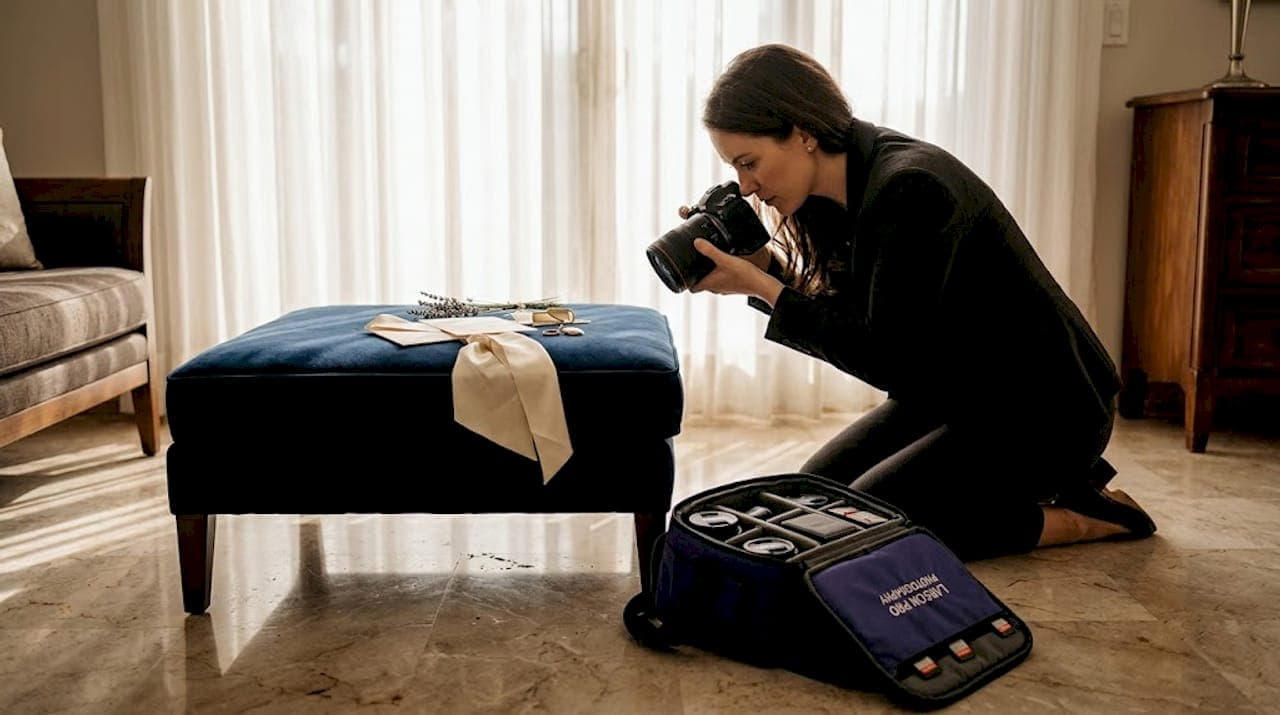
Most couples assume wedding detail photography means a few staged shots of the rings on a velvet cushion. It is so much more than that. What is detail photography in weddings, really? It is the practice of photographing the small, intentional objects and decor that make your wedding uniquely yours. The dress hanging by a window. The handwritten vows. A grandmother's brooch pinned to the bouquet. These shots do not just fill an album. They carry the emotional weight of the entire day and tell your story long after the flowers have faded.
Table of Contents
- Key takeaways
- What detail photography in weddings actually covers
- Why detail shots carry so much emotional weight
- How to plan and capture wedding detail shots effectively
- Common challenges and how to solve them
- Real examples that show what detail shots can do
- My honest take on what couples overlook
- See your wedding story captured in full
- FAQ
Key takeaways
| Point | Details |
|---|---|
| Detail shots go beyond rings | Any meaningful object, from invitations to heirlooms, qualifies as a wedding detail photo worth capturing. |
| Timing and prep matter | Starting photography early and organizing items in advance gives your photographer the best opportunity for natural, compelling shots. |
| Authenticity beats staging | The most memorable detail photos feel documentary, not posed. Candid and unobtrusive shooting creates deeper emotional impact. |
| Lighting shapes the mood | Golden hour light and strategic timing dramatically improve the quality and feeling of your detail photographs. |
| Communication prevents gaps | A shared checklist between you, your planner, and your photographer prevents sentimental items from being missed. |
What detail photography in weddings actually covers
When photographers talk about wedding detail shots, they mean close-up images of the physical objects and decor that define the day. These are not wide-angle room reveals or candid portraits. They are intentional, focused frames on the things that would otherwise go unnoticed in a fast-moving wedding day.
Detail photos can include anything from flowers to a flat lay of invitations, capturing elements that make the wedding unique to the couple. But the scope is broader than most people realize. Think about what actually makes your wedding yours.
Common categories of wedding detail shots include:
- Jewelry and accessories: Engagement rings, wedding bands, earrings, cufflinks, watches
- Stationery: Invitations, menus, escort cards, vow booklets, save-the-dates
- Floral elements: Bouquets, boutonnieres, centerpieces, flower crowns
- Attire details: Buttons down the back of a dress, lace overlay, shoe soles, tie fabric
- Personal mementos: Family heirlooms, letters from parents, photographs tucked into bouquets
- Venue decor: Table settings, ceremony arches, lighting, signage, chair ribbons
- Cultural and ceremonial items: Unity candles, kiddush cups, mehndi designs, ceremony sashes
The personal mementos category is where detail photography earns its real power. When a bride carries her late father's military pin on her bouquet, or a groom wears his grandfather's pocket watch, those are not props. They are living pieces of family history. A skilled photographer knows how to frame them so they speak for themselves.
Why detail shots carry so much emotional weight
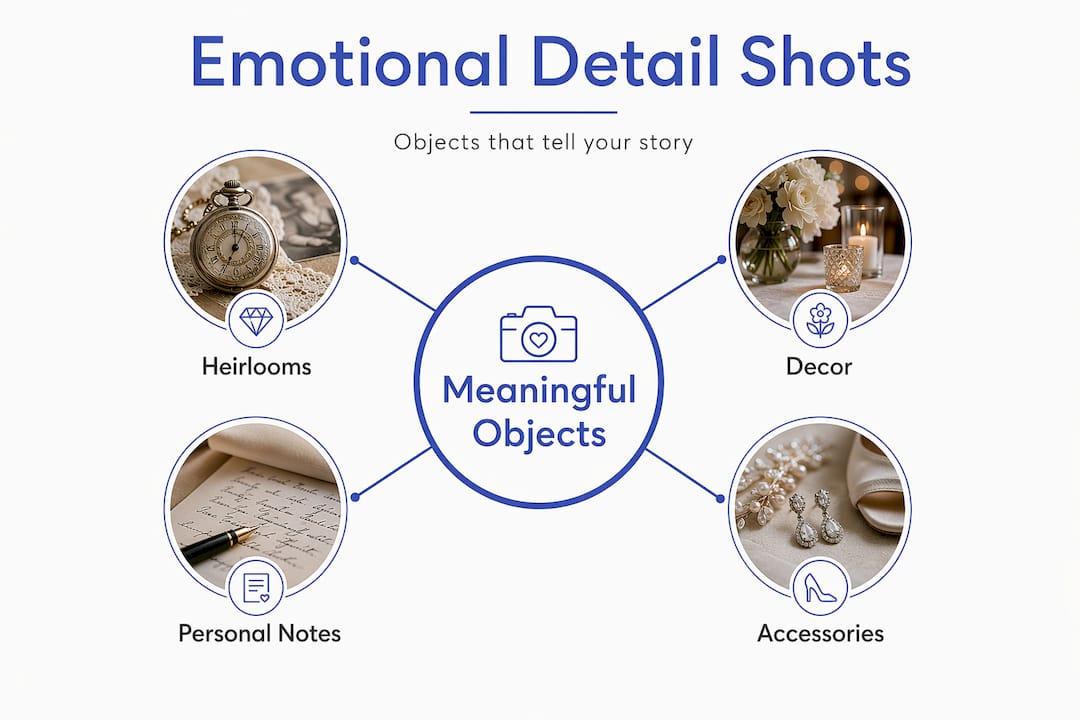
Here is the thing about wedding albums. Couples flip through them years later and stop on the detail shots. Not always the formal portraits. The shot of the vow cards sitting on a windowsill. The invitation suite spread across a marble countertop. These images bring the feeling of the day back in a way that wide group shots sometimes cannot.
Modern couples increasingly desire wedding detail photos that serve as emotional time capsules reflecting their unique story and feelings. This is a major shift from older approaches where detail photography was mostly about documenting decor choices. Today, the goal is to capture meaning, not just aesthetics.
Consider the importance of detail photography from a storytelling perspective. Your wedding has a visual language. The color palette you chose, the hand-lettered calligraphy, the wildflowers from a local farm. Each detail was a decision you made. When those decisions are photographed with intention, the album reads like a story with a consistent voice rather than a collection of random moments.
"The best wedding photography acts as unconscious documentation, revealing hidden emotions and stories that even the couple themselves may not have fully noticed in the moment."
This idea, drawn from contemporary documentary-style shooting, applies directly to detail photography. When a photographer captures your grandmother adjusting her hearing aid while holding your invitation, that is a detail shot that carries a full novel of emotion. Detail photography also captures culturally significant rituals and heirlooms that add layers of family history most portraits miss entirely.
How to plan and capture wedding detail shots effectively
Planning is the single biggest factor separating mediocre detail photography from extraordinary detail photography. You can have the best photographer in the world, but if your details are scattered across three rooms when they arrive, the opportunity is lost.
Here is a practical approach to how to plan wedding detail shots that make an impact:
- Build a details box or bag. Collect all the small items you want photographed before the wedding day. Rings, invitations, perfume bottles, heirlooms, shoes, jewelry. Put them in one place and give it to your photographer or coordinator first thing.
- Schedule detail time into your timeline. Start photography coverage early to capture detail shots in relaxed settings before the ceremony begins. The getting-ready window is genuinely the best time for this.
- Identify your most meaningful items in advance. Tell your photographer what matters most to you. If your mom's pearls are going into the shot, say so explicitly. Do not assume they will find everything on their own.
- Think about flat lay compositions. Grouping related items together for a styled overhead shot is one of the most popular formats for detail photography. Invitations, rings, perfume, and a small bloom arranged on a textured surface can produce a single image that represents your entire aesthetic.
- Let some moments happen naturally. Not every detail shot needs to be planned. When your flower girl is clutching her basket and staring at the ceiling, that is a detail worth capturing. Brief your photographer to stay alert.
Pro Tip: Golden hour light and timing dramatically improve the mood of detail photography. If possible, schedule your ring shot or bouquet photos for a window with soft natural light rather than harsh midday sun. The difference in mood is significant.
Composition matters as much as the subject itself. Look at your wedding photography checklist for 2026 to make sure no detail category is left off your plan. The best photographers use depth of field, negative space, and texture to transform ordinary objects into genuinely beautiful images. A ring sitting on a wooden surface looks different from the same ring placed on the lace hem of the dress. Context creates meaning.
Common challenges and how to solve them
Even with the best planning, wedding days move fast. Detail photography is the first thing to get skipped when the schedule runs behind. Knowing where the problems usually appear helps you prevent them.
Here are the most common obstacles and how to address them:
- Time pressure: The ceremony starts in forty minutes and the detail shots are not done yet. Solve this by building a dedicated fifteen to twenty minute window into your pre-ceremony timeline specifically for detail photography. Protect that time like you would protect the first dance.
- Lighting problems: Indoor venues with low, warm light can make detail shots look muddy or orange. Ask your photographer about their low-light capability before you book. A photographer who knows how to handle natural and artificial light will still produce clean, sharp detail images regardless of the venue conditions.
- Forgetting sentimental items: This happens more often than most couples expect. Using a detail photo checklist helps couples and photographers achieve comprehensive coverage without relying on memory alone. Give copies of the checklist to both your photographer and your planner.
- Items spread across multiple locations: Rings at the hotel, bouquet at the florist, shoes in a different bag. Consolidating everything the night before into one location solves this almost entirely.
- Rushed or distracted photographer: If your photographer is also managing guests, coordinating family portraits, and keeping an eye on the timeline, detail shots become lower priority. Communicating your expectations clearly at the pre-wedding consultation means they already know which shots matter most to you.
Organizing details ahead of time and maintaining clear communication with your photographer prevents the most common detail photography failures. The couples who are happiest with their albums are almost always the ones who spent fifteen minutes preparing a details box the night before their wedding.
Real examples that show what detail shots can do
Picture this: a bride's grandmother passed away six months before the wedding. The family tucked a small photograph of her into the bouquet. The photographer caught it during the flat lay session. That single image now lives in a frame in the couple's home.
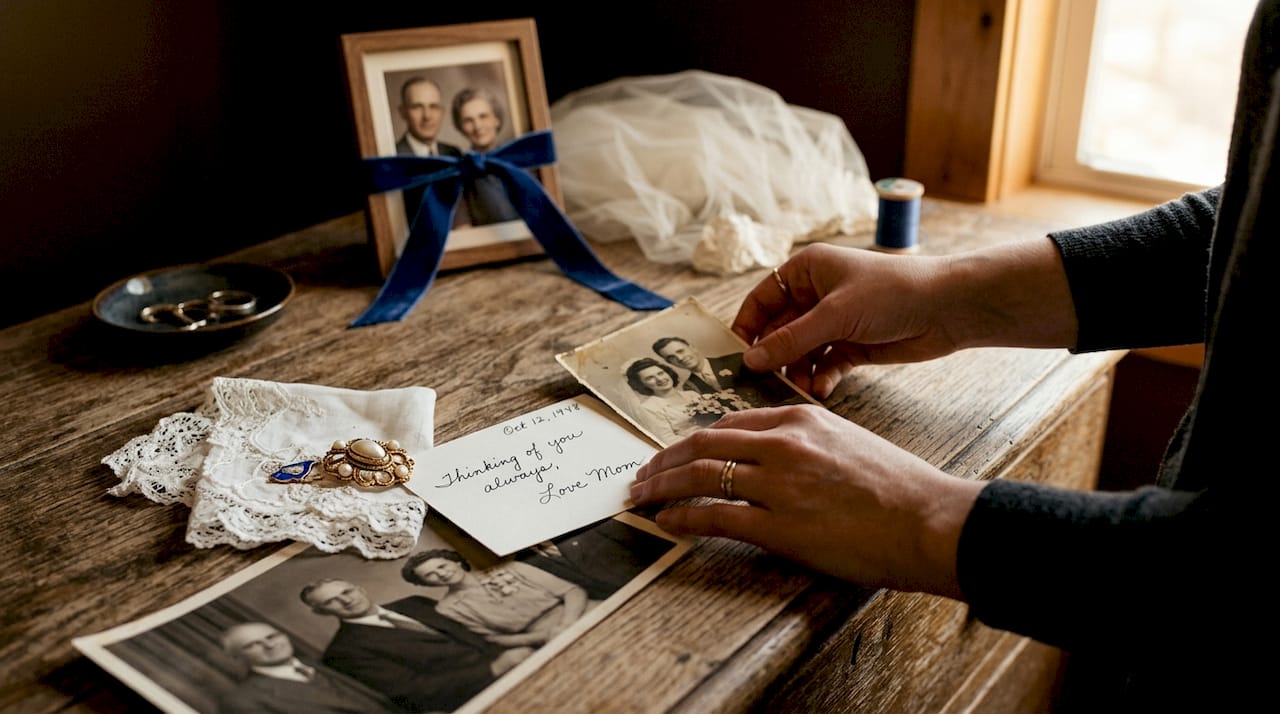
That is what great examples of wedding detail photos actually look like. Not just beautiful objects, but objects loaded with story.
Think about wedding photography trends in 2025 that carried into 2026. Couples are moving toward more documentary-style coverage, which means detail photography is getting more personal. A groom's worn work boots next to polished dress shoes. A bride's reading glasses sitting on top of her handwritten vows. These juxtapositions tell a story about who these people actually are.
Photographers act as witnesses capturing authentic moments rather than choreographed scenes. When that documentary instinct is applied to detail photography, the results feel less like product shots and more like evidence of a life being built.
My honest take on what couples overlook
I have photographed enough weddings to notice a consistent pattern. Couples spend enormous energy planning the big moments. The first look, the first dance, the cake cutting. What they under-invest in is the story surrounding those moments.
In my experience, the detail shots are the ones that prompt the most emotion when couples review their galleries. Not always the portraits. The images that make someone stop scrolling are usually the ones where a small, overlooked object carries the weight of something much larger.
What I have seen couples overlook most often is their venue's natural context. The way afternoon light falls across your ceremony program. The texture of the tablecloth against a glass vase. These environmental details create atmosphere in ways that portraits cannot replicate.
My honest opinion is that authenticity over posed shots should guide every detail photography decision. The best detail images I have made were never fully planned. They happened because I was paying attention. But the couples who prepared their details in advance gave me the raw material to work with. That combination of preparation and spontaneity is what produces extraordinary results.
If there is one thing I would tell every couple, it is this: bring the items that connect you to the people and moments that shaped your relationship. Those are the details worth photographing.
— Todd
See your wedding story captured in full
Detail photography is the part of your wedding album that shows who you are, not just what happened. At Larsonprophotography, the approach to wedding photography services is built around telling the complete story of your day. That means your rings, your grandmother's necklace, the calligraphy on your vows, and the bouquet you carried down the aisle all get the attention they deserve.
Based in San Antonio and experienced with weddings of every size and style, Larsonprophotography combines technical skill with genuine curiosity about your story. To see how detail photography fits into a full wedding coverage package, explore the client galleries and portfolios to get a real sense of what this approach looks like in practice. Your details deserve to be remembered.
FAQ
What counts as a detail shot in wedding photography?
A wedding detail shot is any close-up photograph of a meaningful object or decorative element from the wedding day. This includes rings, invitations, floral arrangements, attire, heirlooms, and venue decor.
How early should detail photography happen on the wedding day?
Professional photographers recommend starting detail coverage during the getting-ready phase, well before the ceremony. This window offers relaxed timing, better natural light, and access to all the personal items before they are put away or worn.
How do I make sure no important items are missed?
Create a details box the night before your wedding with every item you want photographed, and share a written list with both your photographer and wedding planner. A photo checklist helps prevent anything meaningful from slipping through the cracks.
Do detail shots require a separate photographer?
No. Detail photography is typically handled by your primary wedding photographer as part of full-day coverage. The key is communicating your priorities before the wedding so the photographer knows which items and moments matter most to you.
Why do wedding detail photos feel more emotional than portraits sometimes?
Detail photos carry emotional weight because they are tied to specific people, relationships, and decisions. An heirloom, a handwritten note, or a cultural ceremonial item tells a story that a formal portrait cannot always convey. The best detail shots act as emotional anchors in an album.