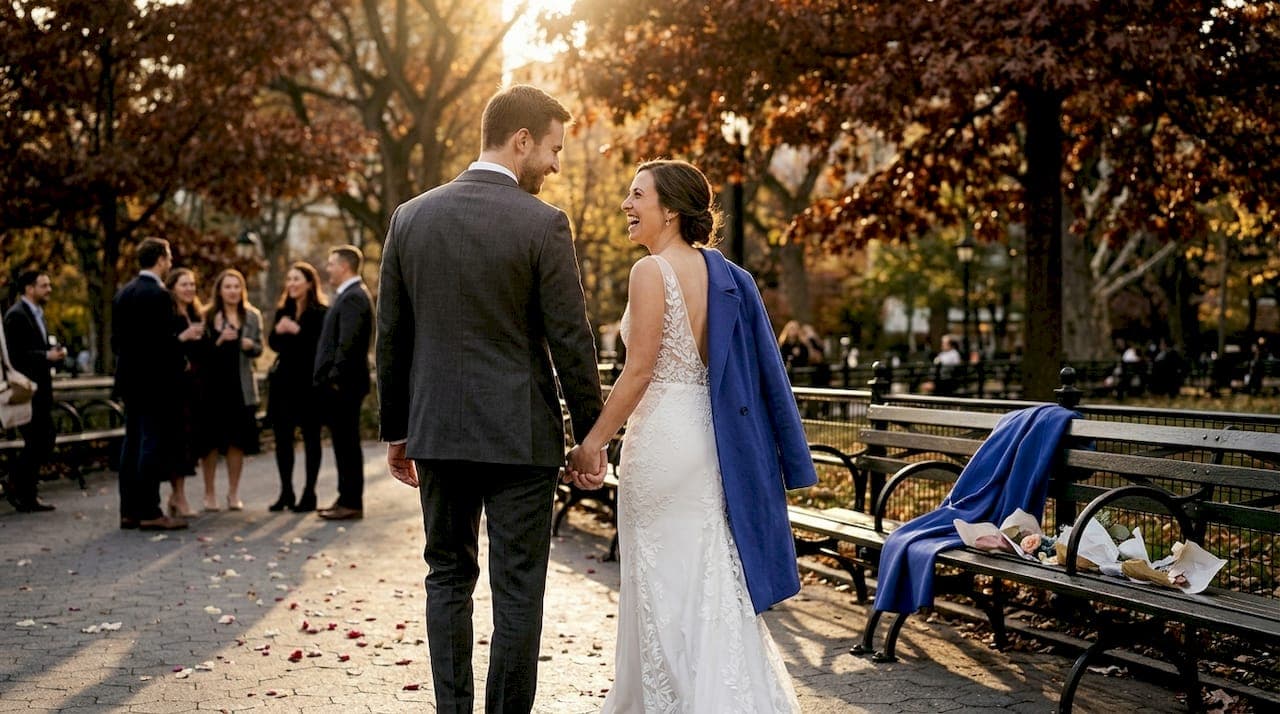
You spent months planning every detail of your wedding day, and the last thing you want is a photo album full of stiff smiles and awkward poses that look nothing like you. Most couples feel a knot in their stomach when they think about standing in front of a camera. The truth is, natural wedding photography is not about luck or perfect lighting alone. It is about preparation, chemistry with your photographer, and creating the right conditions for real moments to unfold. This guide walks you through every step to make that happen.
Table of Contents
- What makes wedding photos look natural?
- How to prepare for authentic wedding photography
- Choosing the right photographer for candid moments
- Tips for encouraging natural interactions during your wedding
- Avoiding common mistakes that ruin candid wedding shots
- Our take: authenticity starts before the camera ever comes out
- Let us capture your story the way it really happened
- Frequently asked questions
Key Takeaways
| Point | Details |
|---|---|
| Prioritize candid moments | Natural photos come from real, unscripted interactions, not forced poses. |
| Prep with your photographer | Good communication and trust lead to more authentic images. |
| Choose a candid-specialist | Review portfolios to ensure your photographer has a genuine, unposed style. |
| Create a relaxed atmosphere | Encourage fun and real connections for the most memorable wedding photos. |
| Avoid over-directing | Let your photographer capture spontaneous moments without micromanagement. |
What makes wedding photos look natural?
Natural wedding photos are characterized by genuine emotion, candid expressions, and storytelling. They capture the way your grandmother tears up during the ceremony, the way your partner looks at you when they think no one is watching, and the wild laughter on the dance floor. These images feel alive because they are alive.
Traditional posed photography has its place. A clean portrait of the wedding party or a formal family grouping will always matter. But when couples look back at their albums ten years later, it is almost always the unposed, spontaneous images that move them the most. The ones that show what the day actually felt like.
Understanding wedding photography styles helps you recognize the difference between a photographer who simply documents and one who tells your story. Photojournalistic and documentary styles prioritize candid moments. Editorial style leans more toward direction and aesthetics. Most skilled wedding photographers blend both.
Pro Tip: Instead of focusing on how you look in every shot, pay attention to how you are interacting. A shared whisper, a squeeze of the hand, a teary laugh all create better photos than any perfectly practiced smile.
Here is a quick comparison to help you see the difference clearly:
| Feature | Natural/candid photography | Traditional posed photography |
|---|---|---|
| Direction level | Minimal, scene-guided | High, photographer-directed |
| Emotional quality | Authentic, spontaneous | Controlled, deliberate |
| Best for | Storytelling, memories | Formal portraits, family shots |
| Couple comfort | Feels relaxed | Can feel stiff |
| Album feel | Documentary, emotional | Classic, structured |
What to look for in truly natural photos:
- Genuine eye contact between people, not into the camera
- Laughter that looks unplanned
- Motion blur from real movement (dancing, hugging)
- Backgrounds that reflect your real venue and surroundings
- Variety in perspective, some wide shots capturing the environment
How to prepare for authentic wedding photography
Preparation is essential for capturing genuine moments during your wedding. Most couples underestimate just how much the groundwork they lay before the day affects the quality and feel of their images. A photographer who knows your story will always capture it better than one meeting you for the first time at the altar.
Here are the key preparation steps to take before your wedding day:
-
Have a real conversation with your photographer. Do not just talk about package prices and start times. Share what matters to you. Tell them about your families, your quirks, your sense of humor. The more they understand about who you are as a couple, the better they can anticipate meaningful moments.
-
Share your priorities clearly. Are you most emotional about the first look? The parent dances? Cocktail hour with your closest friends? When your photographer knows what means the most to you, they position themselves to be present at those pivotal moments.
-
Book an engagement session. This is hands down one of the most powerful tools available. An engagement shoot lets you get comfortable on camera, build a real relationship with your photographer, and discover what kind of guidance helps you feel most at ease. Think of it as a dress rehearsal for your wedding portraits.
-
Plan your wedding day timeline with breathing room. Rushed timelines kill candid photography. When you are sprinting from one moment to the next, stress shows on every face. Build in buffer time before the ceremony, after the ceremony, and during transitions so your photographer can work without pressure.
-
Review your wedding photo checklist together. Go through your must-have shots so those are handled efficiently, leaving your photographer free to focus on real moments the rest of the time.
Pro Tip: Ask your photographer to schedule a 10 to 15 minute window for just the two of you during golden hour, which is roughly 30 to 60 minutes before sunset. The soft, warm light is flattering and the quiet moment away from guests almost always produces the most intimate images of the whole day.
Choosing the right photographer for candid moments
Different photographers have different styles for capturing raw emotion and natural scenes. Hiring the wrong fit, someone who excels at dramatic editorial work when you want relaxed candids, is one of the most common and expensive mistakes couples make.
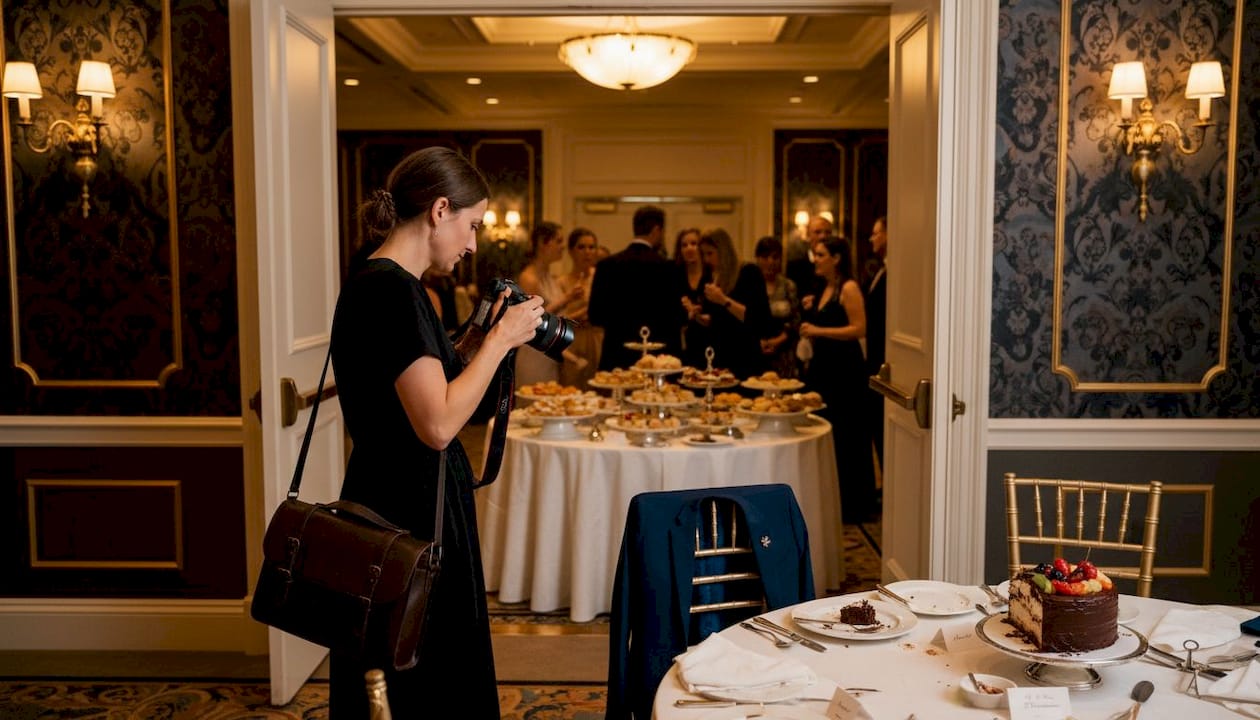
When you are reviewing a photographer's portfolio, you are not just looking for pretty photos. You are looking for evidence that they can capture real feeling. Ask yourself: do these images look like moments that actually happened, or do they look like scenes that were carefully constructed?
What to look for in sample galleries:
- Emotional range: Does the gallery show joy, tears, tenderness, and humor together? A one-dimensional gallery is a red flag.
- Storytelling flow: Can you follow the narrative of the day through the images alone?
- Variety of subjects: Do the candid moments include not just the couple but guests, family members, and the overall atmosphere?
- Consistency across different weddings: Great candid photographers deliver strong work no matter the venue, lighting condition, or wedding style.
- Genuine expressions: Look closely at people's eyes. Forced smiles look flat. Real joy has crinkle lines.
Questions worth asking any potential photographer:
- How do you help couples who feel nervous on camera?
- How much of your typical wedding coverage is candid versus directed?
- Can I see a full wedding gallery from start to finish, not just highlights?
| Photographer type | Strengths | Watch out for |
|---|---|---|
| Candid/documentary | Authentic emotion, real moments | May produce fewer polished portraits |
| Editorial/fashion | Polished, structured, striking | Can feel staged for some couples |
| Hybrid | Balance of both worlds | Ask to see examples of each style |
Reviewing a wedding photography portfolio from multiple full wedding days tells you far more than a curated highlight reel ever could.
Tips for encouraging natural interactions during your wedding
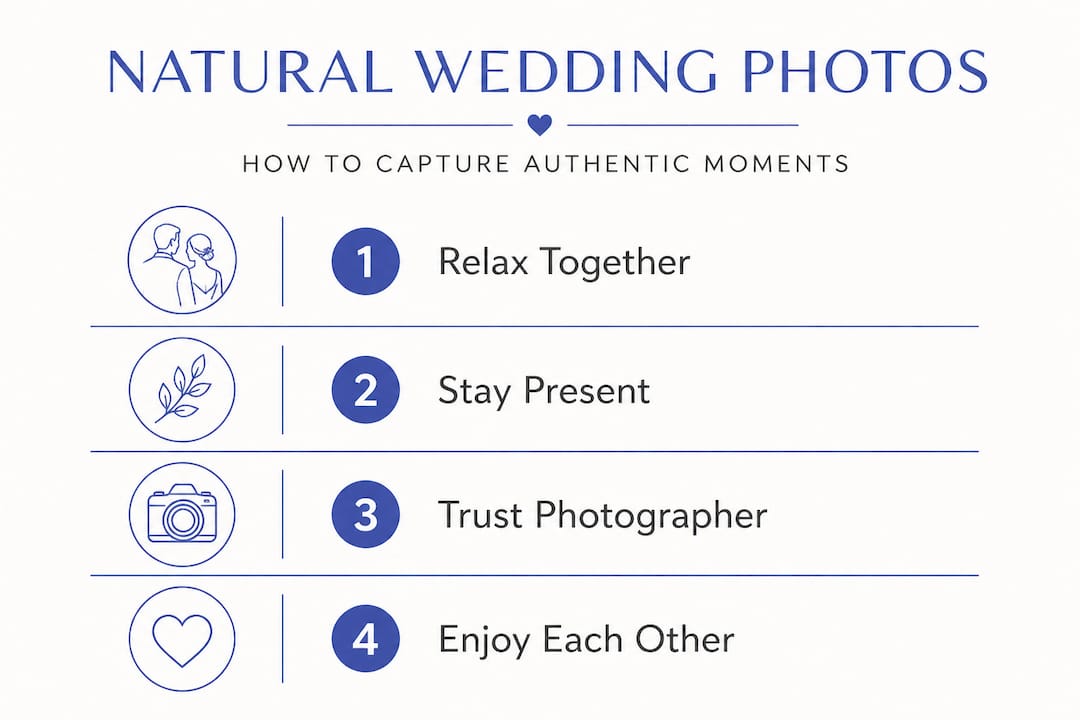
Even with a skilled photographer by your side, the energy you and your guests bring to the day shapes everything. Focusing on each other and forgetting the camera helps capture the most authentic moments, and there are concrete ways to make that happen throughout your day.
-
Tell your wedding party to relax and just be present. Brief them before the day. Let them know the photographer is there to capture real moments, not orchestrate them. When the wedding party feels relaxed, guests follow their lead.
-
Put your phone away. When you are looking at your own screen, you are not connecting with the people around you. The same goes for guests. Some couples include a friendly "unplugged ceremony" note in their programs, which keeps guests fully present and prevents phones from blocking your photographer's shot.
-
Focus on your partner during key moments. During the first look, the ceremony, and the first dance, forget the camera exists. Look at the person in front of you. Speak to them, not to an imagined audience.
-
Create moments worth photographing. Write personal vows. Plan a private first look. Arrange for a meaningful song you both love. Authentic moments emerge from authentic choices.
-
Keep your guests comfortable and connected. Happy, comfortable guests interact genuinely. Great catering, a warm welcome, and thoughtful seating arrangements set the stage for real laughter and connection in the background of your photos.
Pro Tip: Ask a naturally social and outgoing guest, maybe a sibling or best friend, to act as your informal "candid ambassador." Their job is simply to get people mingling, laughing, and genuinely engaged. Your photographer will know exactly where to point the lens.
"The best wedding images I have ever captured came from couples who simply forgot I was there. When two people are fully present with each other, the camera almost disappears. My job becomes finding the frame, not creating the feeling."
Check out these engagement photo tips to start practicing that presence before the wedding day arrives.
Avoiding common mistakes that ruin candid wedding shots
With all this preparation in place, it would be a shame to lose great photos to easily avoidable errors. Here are the most common pitfalls and how to sidestep them.
Over-directing or trying to control every photo moment often backfires. When couples or family members start positioning themselves and calling out poses, photographers lose the window to capture genuine feeling. Trust the professional you hired.
Common mistakes and what to do instead:
- Ignoring natural light: Scheduling your portrait session at midday in direct Texas sun creates harsh shadows and squinting expressions. Work with your photographer to plan portraits in shaded areas or during golden hour for soft, flattering light.
- Over-scheduling the day: When every minute is accounted for, there is no room for life to happen. The spontaneous moments, a quiet look between you two, guests bursting into laughter, children running across the dance floor, only emerge when there is breathing room.
- Micromanaging your photographer: Providing a few key priorities is helpful. Dictating every shot by the minute is not. Overly rigid shot lists turn a photographer into an order-taker rather than an artist.
- Wearing uncomfortable clothing: If you can barely breathe in your dress or your suit is too tight to sit down, it shows. Physical discomfort creates visual stiffness. Prioritize both beauty and comfort.
- Neglecting to learn basic wedding photo lingo: When you understand terms like "first look," "golden hour," "formals," and "documentary coverage," conversations with your photographer become much more productive.
- Forgetting to eat and hydrate: Low blood sugar and dehydration make everyone look tired and feel anxious. Schedule actual time to eat before portraits and encourage your wedding party to do the same.
The most natural photos come from couples who prepare thoughtfully, communicate clearly, and then let go on the day itself. Control the conditions, not the moments.
Our take: authenticity starts before the camera ever comes out
Here is something most photography guides will not tell you. The couples who end up with the most natural, moving wedding photos are not the most photogenic people or the most experienced in front of cameras. They are the ones who invested the most time building a real relationship with their photographer before the wedding day.
We see it over and over again in San Antonio. Two couples can hire photographers with nearly identical skills and portfolios. One couple shows up on the wedding day having had multiple conversations, done an engagement session, and shared the details that matter most to them. The other couple has exchanged a few emails and met briefly. The difference in their final galleries is almost always striking.
The camera captures truth. When you feel genuinely comfortable with the person holding it, that comfort becomes visible in every frame. When you feel like a stranger is pointing a lens at you, that too comes through no matter how skilled the photographer is. Choosing your photographer is less like hiring a vendor and more like choosing a collaborator for one of the most important days of your life. Invest the time upfront and the images will reflect it.
Let us capture your story the way it really happened
Ready to see what truly natural, authentic wedding photography looks like? At Larson Pro Photography, we specialize in capturing the real moments that make your wedding uniquely yours, from the quiet tears before the ceremony to the wildest moments on the dance floor.
Browse our wedding photography portfolio to see full galleries from real San Antonio weddings. You will notice right away that these images feel lived in, not staged. If our style connects with what you are looking for, we would love to hear your story and talk about how we can be there to capture it. Reach out through our contact form and let us start the conversation well before your wedding day.
Frequently asked questions
How do I relax in front of the camera on my wedding day?
Choose a photographer you trust and focus on your partner. As preparation helps couples relax, the more groundwork you lay before the day, the more naturally at ease you will feel.
Should I give my photographer a shot list for candids?
A short list of priorities is genuinely helpful, but over-direction can limit authentic moments, so give your photographer creative freedom once the essentials are covered.
Are engagement sessions good practice for natural wedding photos?
Yes, absolutely. Engagement photos are a great warm-up for wedding photography, helping couples get comfortable on camera and build real trust with their photographer long before the wedding day.
Is lighting important for natural wedding photos?
Soft, natural lighting is ideal for capturing genuine expressions and avoiding harsh shadows. Good lighting, particularly during golden hour, enhances natural wedding photos without overpowering the emotion.
What if I feel awkward during staged moments?
Share your concerns with your photographer directly. Open communication helps your photographer tailor the session around relaxed activities and natural prompts rather than rigid poses.