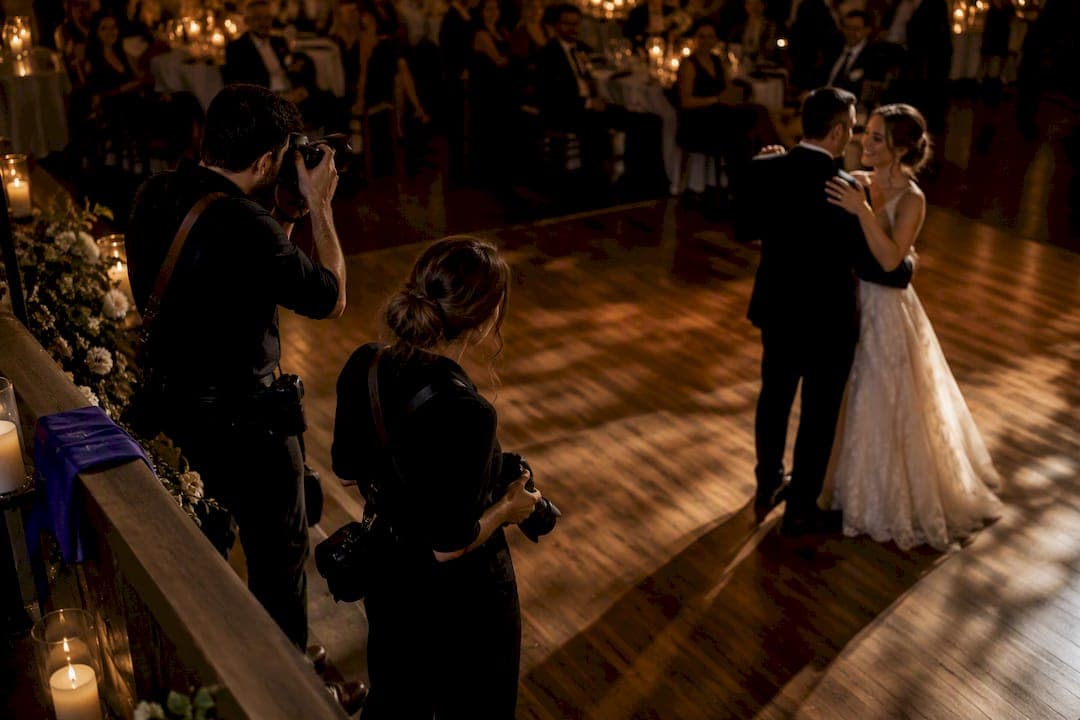
A second shooter is worth hiring whenever a wedding involves more than one location, more than 100 guests, or moments happening simultaneously that one photographer physically cannot cover. The added value comes down to two things: expanded coverage and risk reduction. This guide walks through duties, pay, contracts, gear, and field tips for both leads and seconds.
TL;DR:
- Second shooters are essential for weddings with over 100 guests, multiple locations, or simultaneous events, as they provide expanded coverage and perspective.
- They are responsible for capturing moments the lead cannot reach, such as guest reactions and details during different event phases, especially during large or complex weddings.
- Contracts should specify payment, copyright rights, file handoff, and scope, with second shooters earning between $150 and $500 per day based on experience and market.
- Proper gear, attire, and pre-event coordination improve consistency, professionalism, and adaptability, including matching camera profiles and arriving prepared for technical issues.
- Building rapport, understanding legal rights, and clear communication significantly impact long-term rehire potential and image quality, especially regarding licensing and use permissions.
Table of Contents
- What a second shooter is and the primary value they add
- When you should hire a second shooter
- Day-of duties and a shot-priority checklist for second shooters
- How lead and second photographers coordinate on contracts, pay, and file handoff
- Gear, attire, and technical prep for a second shooter
- Practical tips for second shooters who get rehired
- How Larson Pro Photography vets and works with second shooters
- Post-processing workflow and file management after the wedding
- Handling unexpected challenges on the wedding day
- Career progression from second shooter to lead photographer
- Building rapport with the couple and guests
- Legal considerations and model releases for second shooters
- Why reliable teams make a difference
- Second-shooter coverage at Larson Pro Photography
- Sources
- FAQ
What a second shooter is and the primary value they add
A second shooter is a hired photographer who works alongside the lead to capture simultaneous or alternate angles of the same event, rather than covering a separate assignment. Clients sometimes confuse the role with an assistant who carries gear, but a second shooter is a working photographer producing usable images that get delivered in the final gallery.
The role earns its cost through a few concrete benefits:
- Expanded coverage: one person shoots the groom's reaction while the other stays on the bride's entrance.
- Alternate perspectives: wide shots from the back of the room paired with tight details from the aisle.
- Redundancy: if one camera or flash fails mid-ceremony, the day is still documented.
- Fuller storytelling: candid guest reactions and detail shots that a solo lead would have to skip.
A lead focused on the couple cannot also be capturing the flower girl's face or the best man wiping his eyes. That is the gap a second closes.
When you should hire a second shooter
Not every wedding needs one, but certain conditions push the decision from optional to close to essential.
- Must-have: guest counts above 100, two separate getting-ready locations, or a ceremony and reception in different venues on a tight timeline.
- Must-have: large wedding parties (eight or more per side) where group photos eat into coverage time elsewhere.
- Recommended: couples who prioritize candid guest reactions over posed portraits, since a second can roam the room while the lead manages formals.
- Recommended: receptions with simultaneous activity, such as a live band setup and a dessert table reveal happening at once.
- Optional: smaller, single-location weddings under 75 guests with a simple timeline and no overlapping events.
Budget is the real tradeoff. Adding a second shooter raises the total cost, so leads should present it as a line item with a clear reason attached, tied to the couple's specific timeline and guest count, rather than a blanket upsell. A couple choosing between an extra hour of coverage and a second shooter often gets more value from the second, since it solves a coverage gap rather than just extending the same single angle.
Day-of duties and a shot-priority checklist for second shooters
A second shooter's day is built around covering what the lead cannot reach. The priorities shift by phase of the event.
- Ceremony: capture the groom's reaction as the bride enters, wide shots of the full aisle, and guest reactions during vows.
- Getting-ready: shoot the second location in parallel (often the groom's side while the lead stays with the bride), plus candid details like rings, invitations, and shoes.
- Cocktail hour and reception: work the room for candid conversations, table details, and dance floor energy while the lead manages formal portraits.
- Logistics: swap memory cards at planned intervals, hand off cards to the lead or upload to a shared drive, and assist with gathering family groups when needed.
Pro Tip: Agree on a rough shot list and a check-in time before the ceremony starts, so neither shooter is guessing what the other already has covered.
How lead and second photographers coordinate on contracts, pay, and file handoff
Every second-shooter arrangement should run on a signed agreement, not a verbal understanding. A second-shooter contract should spell out:
- Event date, venue, and confirmed hours of coverage.
- Scope of coverage and specific deliverables (raw files versus edited selects).
- Payment terms, including deposit, balance, and payment method.
- Cancellation terms and a force majeure clause for weather or emergencies.
- Equipment responsibility if gear is lost, damaged, or malfunctions on-site.
Copyright is the part most new seconds get wrong. Under U.S. copyright law, whoever presses the shutter owns the copyright by default. That means a second shooter technically owns their own images until a written assignment transfers those rights to the lead or studio. A verbal agreement or a vague "work made for hire" line in a contract does not reliably transfer that ownership for independent contractors, so the assignment clause has to be explicit and signed.
Second-shooter day rates commonly fall between $150 and $500 or more, depending on market and experience, according to pricing guidance for photographers. Leads typically calculate the contractor's pay first, then add margin when pricing the package for the client. Pay a second shooter as a contractor and collect a W-9 for tax reporting.
File handoff should be defined up front too: card handoff at the venue versus a drive upload that night, synced camera clocks so timestamps line up, consistent file naming, and an agreed delivery window for the lead to receive everything. Our wedding day photo backup process walks through how we structure that handoff to avoid lost files.
Gear, attire, and technical prep for a second shooter
A second shooter should arrive ready to match the lead's setup, not improvise around it.
- Cameras and lenses: bring a second camera body as backup, plus a versatile zoom that covers wide and tight shots without a lens change mid-moment.
- Flash and low light: an on-camera flash for dim receptions, since ceremonies and dance floors rarely offer enough ambient light.
- Cards and batteries: extra memory cards and charged batteries for the full day, not just the ceremony block.
- Color and clock sync: matching color profiles and synced camera clocks between lead and second, which saves hours when merging galleries in post-production.
Attire matters more than new seconds expect. Neutral, venue-appropriate dress that will not stand out in photos, comfortable shoes for a full day on your feet, and awareness of vendor-meal etiquette (eating when and where the venue directs, not during active coverage windows) all signal professionalism to the couple and the venue staff. Our wedding photography checklist covers the full pre-event gear list in more detail.
Practical tips for second shooters who get rehired
Leads rehire seconds who make the day easier, not harder.
- Pre-brief before the event: confirm shot priorities, timeline, and any family dynamics the lead already knows about.
- Use hand signals during the ceremony: speak only when necessary, since a whispered correction during vows can be picked up by a videographer's audio.
- Avoid cross-shooting: read where the lead is positioned and shoot a complementary angle instead of duplicating the same frame.
- Respect file-handling rules: deliver exactly what was agreed, whether that's raw files or a curated set, on the timeline in the contract.
- Hold off on posting: many leads prefer seconds not share images publicly until the lead delivers the couple's final gallery, so confirm the social media terms before the wedding.
Pro Tip: If you're unsure whether to move during a formal portrait setup, don't. Standing still and waiting for a cue beats stepping into the lead's frame.
How Larson Pro Photography vets and works with second shooters
We review full wedding galleries from prospective seconds, not just highlight reels, since a complete gallery shows how someone handles low light, flash consistency, and the slower stretches of a reception. Every second we work with signs a written agreement covering pay, copyright assignment, and file delivery before the wedding date. For couples who want to understand licensing details further, our wedding photography licensing guide breaks down usage rights in plain terms.
Post-processing workflow and file management after the wedding
Once the wedding ends, the second shooter's job is not quite done. Files typically get handed off in one of two ways: a physical card exchange at the venue or an upload to a shared drive that night, depending on what the contract specifies. Whoever edits the final gallery, usually the lead, needs the second's files organized and labeled clearly so nothing gets lost in a merge.

Matching color profiles between cameras before the wedding pays off here, since it means the second's images blend into the same edit style without a separate correction pass for every photo. File naming should avoid duplicate numbering between the two shooters' cards, which is easily solved by adding a shooter initial or camera prefix during import. A gallery access control system can also help manage who has permission to view or download images during the editing and delivery stages, particularly when multiple vendors expect access to the same event.
The lead typically retains editing control over the final gallery to keep a consistent look across every image the couple receives. That means a second shooter's raw files usually get culled, color-matched to the lead's edit, and delivered as part of one unified set rather than as a separate gallery. Clear expectations about who edits what, and how long that process takes, belong in the same written agreement that covers pay and copyright.
Handling unexpected challenges on the wedding day
Weddings do not run on schedule, and a second shooter who can adapt without asking for direction is worth far more than one who waits for instructions. A ceremony starting late, a sudden rain delay, or a family member who refuses to be photographed all call for quiet problem-solving rather than a mid-event conversation with the lead.
Common issues and how experienced seconds handle them:
- Gear failure: a backup body and spare batteries mean a dead battery or jammed card never stops coverage entirely.
- Weather changes: seconds who know the venue's indoor backup spaces can reposition guests or the couple without waiting for direction.
- Timeline slippage: if the schedule slips by twenty minutes, seconds should already know which shots to prioritize and which optional details to skip.
- Difficult guests or family tension: staying neutral and redirecting attention to the next moment usually defuses friction faster than addressing it directly.
The best preparation for the unexpected is the pre-brief conversation covered earlier: knowing the timeline, the family dynamics, and the venue's layout ahead of time turns most surprises into minor adjustments instead of full stops.
Career progression from second shooter to lead photographer
Second shooting is often the entry point into wedding photography, and the path to leading your own weddings usually follows a similar arc. Most photographers second shoot for several different leads before branching out, since each lead has a different working style, editing approach, and way of handling client relationships worth learning from.
The typical progression looks like building a personal portfolio from second-shooting work (with permission from the lead, per the contract), then gradually taking on smaller solo bookings such as elopements or engagement sessions while still second shooting on weekends. From there, photographers scale up to full wedding leads once they have a body of work, a pricing structure, and a contract template of their own. The skills that matter most in that transition are the same ones covered throughout this guide: reading a room without direction, managing a full-day timeline, and delivering files on schedule.
Building rapport with the couple and guests
A second shooter who blends in gets better candid photos than one who stands out. Guests relax around a familiar, low-key presence and tense up around someone who feels like an intruder with a camera.

A few habits help build that comfort quickly. Introducing yourself briefly to the couple before the day starts, rather than showing up as a stranger, makes the working relationship smoother. Staying visually low-key, in dress and in movement, keeps the focus on the couple rather than on the photographer. Reading the room for moments guests are comfortable being photographed in, versus private conversations better left alone, builds trust that shows up in the final gallery. Small talk during slower stretches, like the family formals lineup, also puts nervous guests at ease before the camera turns to them.
None of this requires being outgoing. Quiet, attentive, and unobtrusive works just as well as personable and talkative, as long as the couple and guests feel comfortable rather than watched.
Legal considerations and model releases for second shooters
Copyright assignment is the biggest legal issue in second-shooter work, covered earlier in the contract section, but a few other legal points matter too. Model releases, which give permission to use someone's likeness in marketing or portfolio work, are separate from the copyright question and typically apply to the couple's own images rather than every guest photographed at the event.
Most wedding contracts between the couple and the lead photographer already grant the studio permission to use images for portfolio and marketing purposes. A second shooter working under a lead generally does not need a separate release from the couple, since that permission sits in the lead's contract with the client, but the second's own agreement with the lead should state clearly whether the second can use any images in their own portfolio and when.
Guest photography raises fewer legal issues at a private event like a wedding, since guests attending a private function generally have a reduced expectation of privacy in candid group shots. That said, a written agreement between the lead and second should still specify who owns and can license the final images, which is the copyright assignment question already covered, rather than treating model releases as the main legal safeguard.
Why reliable teams make a difference
I have worked with photographers I trust for years, and I have worked with strangers on short notice. The difference shows up in the gallery every time. A written agreement covering pay, copyright, and file delivery is not paperwork for its own sake. It is what lets two photographers focus on the wedding instead of wondering who owns what afterward.
— Todd
Second-shooter coverage at Larson Pro Photography
Second-shooter coverage is often included in wedding photography packages for couples with larger guest counts or multiple locations on the timeline.
 Reach out through our wedding page to ask about adding a second shooter to your coverage.
Sources
- Second shooter contract terms, copyright and clauses | Legal Clarity
- Shootrate
- Thinking About Second Shooting Weddings? Here’s What You Need to Know First | Fstoppers
- Copyright ownership overview | Stanford University Fair Use
FAQ
How much do second shooters for weddings get paid?
Day rates for second shooters commonly fall between $150 and $500 or more, depending on market and experience level. Leads typically price the second shooter's pay first, then build their margin into the client-facing package.
Is a second shooter necessary for a wedding?
A second shooter is not strictly necessary for every wedding, but it becomes close to essential for guest counts above 100, multiple venues, or separate getting-ready locations happening at once. Smaller, single-location weddings with a simple timeline can often be covered well by one lead photographer.
How much should a second shooter get paid?
Pay should reflect the second shooter's experience and the market, generally landing in the same $150 to $500-plus day-rate range used across the industry. Contracts should state the rate, payment timing, and file-delivery expectations in writing before the wedding.
What does second shooter mean?
A second shooter is a hired photographer who works alongside the lead at the same event, capturing simultaneous or alternate angles rather than a separate assignment. Their images typically get merged into the couple's final gallery once the lead reviews and edits them.