Hire a wedding videographer when you want a legacy film: a multi-camera, audio-rich documentary of your ceremony and reception that holds up for decades. Hire a content creator when your priority is same-day social clips built for Instagram and TikTok. Many couples now book both, splitting the day so one vendor handles the heirloom film and the other handles the hype. The core difference comes down to deliverable: a legacy film versus fast, vertical social clips.
TL;DR:
- A videographer’s package may include a 20 to 40 minute ceremony film and a 4 to 8 minute highlight reel, usually shot horizontally.
- Before booking a legacy film, request a full ceremony sample and confirm how the vendor records vows and backs up the audio.
- Content creators typically deliver vertical 9:16 clips lasting 30 to 90 seconds the same day or next day, while legacy films take several weeks.
- For long ceremonies or events across multiple locations, prioritize a videographer because a solo content creator may struggle to cover them.
- If you book both, assign formal moments and synced audio to the videographer, then give the content creator candid coverage through a shared schedule.
Table of Contents
- What each role does on your wedding day
- What you actually get back: formats, lengths, and ratios
- Equipment and audio differences that change the final film
- When to hire which: scenarios and decision rules
- Vendor questions, contract items, and red flags to watch for
- Pricing and turnaround: what affects cost and when to expect delivery
- Coordinating a videographer and content creator on the same day
- How Larson Pro Photography approaches planning and backups
- The decision most couples get wrong
- Book videography with Larson Pro Photography
- FAQ
- Sources
What each role does on your wedding day
A wedding videographer and a content creator sound similar on paper, but the jobs they perform look almost nothing alike once the day starts.
A wedding videographer typically runs multiple cameras at once, capturing the ceremony from several angles so editors can cut between wide shots, close-ups, and reaction shots later. This role also carries the audio: vows, toasts, and music all need to be recorded cleanly, which means a dedicated recorder or mixer in addition to the cameras. The footage gets shaped into a story, often over weeks of editing, because the goal is a film you will watch again in ten years.
A content creator works differently. Most operate solo, carrying a single camera or even a phone rig, and they are built for speed rather than depth. Their job is to catch the moments that translate well to a vertical feed: the first look, a candid laugh during getting-ready, a quick clip of the dance floor, then turn it around in hours, not weeks. Audio is usually secondary to visual energy since most social clips run with music over the top rather than synced vow audio.
On the wedding day itself, you will typically see:
- A videographer setting up multiple camera positions before the ceremony and staying fixed on key moments throughout.
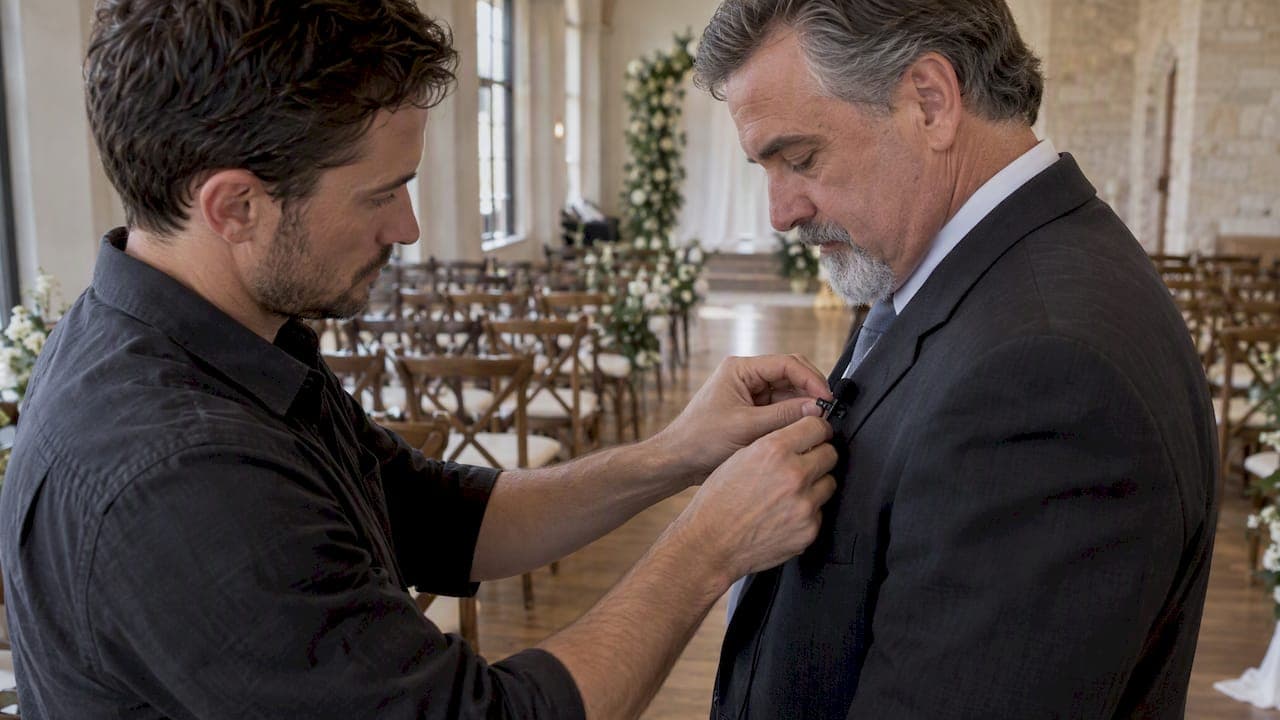
- A videographer or an assistant wiring the officiant or groom with a lavalier microphone before processional.
- A content creator moving fluidly through the reception, grabbing short, high-energy clips as they happen.
- A content creator exporting and posting a same-day recap reel, sometimes before the reception even ends.
Our breakdown of videography versus photography roles goes deeper into how these responsibilities compare to a photographer's, which matters if you are weighing all three services at once. The practical takeaway is simple: one role is built for permanence, the other for speed, and knowing which one you are hiring determines what lands in your hands weeks later.
What you actually get back: formats, lengths, and ratios
Deliverables are where the content creator vs videographer comparison gets concrete, because the file you receive dictates how you will actually use it.
A wedding videographer's typical deliverable list includes:
- A full, unedited ceremony video, often 20 to 40 minutes, shot horizontally for playback on a TV or at a future anniversary dinner.
- A long-form documentary edit of the full day, sometimes 30 minutes or more, with toasts, dancing, and the reception woven in.
- A highlight reel, usually 4 to 8 minutes, as the cinematic centerpiece most couples share with family.
- A raw footage policy you should ask about directly, since some studios hand over all footage and others retain it for a limited window.
A content creator's typical deliverable list looks different:
- Vertical reels formatted for Instagram and TikTok, shot and edited in a 9:16 ratio from the start.
- Short clips in the 30 to 90 second range, each built around one moment rather than the whole day.
- Behind-the-scenes content: getting ready, candid guest reactions, details shots that a videographer's gear setup would miss.
- Expedited turnaround, frequently same-day or next-day, so content can post while wedding excitement is still fresh.
The format difference matters beyond aesthetics. A horizontal 16:9 ceremony film is built for a screen you sit in front of; a vertical 9:16 reel is built for a thumb scrolling past in two seconds. Our guide to choosing wedding video styles walks through sample deliverables so you can see the difference before you book rather than after. If you are unsure which format matters more to you, ask yourself whether you picture this video playing at your tenth anniversary or getting liked by three hundred people next week. Both are valid goals. They just require different vendors and different files.
Equipment and audio differences that change the final film
The gear behind each role explains a lot about why the final product looks and sounds so different.
Full-frame sensors and interchangeable lenses give wedding videographers the low-light performance and shallow depth of field that make a reception dance floor look cinematic instead of grainy. A content creator working with a single camera body, or even a phone, trades some of that image quality for mobility and speed, which is a fair trade when the final output is a 15-second clip viewed on a 6-inch screen rather than a living room TV.
Audio is the bigger divide. Capturing usable vow audio requires a lavalier microphone on the officiant or groom, often a second one nearby for the couple, plus a shotgun microphone to pick up ambient reaction from guests. Many videographers also run a separate audio recorder or mixer as a backup, since a dropped microphone connection can ruin an otherwise perfect ceremony edit. Our explanation of a videographer's role during ceremonies covers how this audio setup gets coordinated with the officiant beforehand. Content creators, by contrast, rarely mic the ceremony at all, since their deliverables are built around music-driven edits rather than synced dialogue.

Stabilization and lighting round out the difference: a videographer will often use a gimbal for walking shots and supplemental lighting for dim receptions, while drone footage, when permitted by the venue, adds an establishing shot that neither role captures by default and that you should confirm separately with any vendor.
Pro Tip: Ask every vendor, regardless of title, whether they personally mic the ceremony audio. If the answer is vague, assume you will not get usable vow sound.
When to hire which: scenarios and decision rules
Matching the vendor to your priority is the fastest way to avoid regret later.
- If your top priority is a film you will watch in twenty years, hire a wedding videographer. The multi-camera capture, synced audio, and long-form editing are built for rewatching, not scrolling.
- If your top priority is same-day buzz and shareable content, hire a content creator. Fast turnaround and vertical formatting are the entire point, and a videographer's weeks-long editing timeline will not serve that goal.
- If you want both, budget for two vendors and divide the day by timeline rather than by moment. A common split has the videographer owning the ceremony and formal portraits while the content creator floats through getting-ready and the reception for candid, social-first clips.
- If budget only allows one vendor, ask directly whether they can deliver a short recap clip alongside their primary product. Some videographers now offer a same-day teaser as an add-on, and some content creators can shoot a more complete ceremony sequence on request, though neither should be assumed without asking.
- If your guest list and ceremony length are large, lean toward a videographer regardless of social priorities, since content creators working solo can struggle to cover a long or multi-location ceremony alone.
The honest answer for most couples with flexible budgets is both, because the two roles rarely compete for the same shot. One is building an archive, the other is building momentum, and a wedding day has room for both jobs if you plan the handoffs in advance.
Vendor questions, contract items, and red flags to watch for
A good vendor call should answer six questions before you sign anything.
Ask to see a sample full ceremony video, not just a highlight reel, since reels can hide weak audio or shaky framing that a longer clip exposes. Ask directly how ceremony audio gets captured and whether that is included or an add-on. Ask what backup plan protects your footage if a card fails or a camera malfunctions mid-day. Ask for the exact deliverables list in writing, including formats and lengths, not a verbal summary. Ask how many rounds of revisions are included in the price. Ask who owns the raw footage and what usage rights you retain for personal and social use.
Contract items worth insisting on:
- A firm delivery date, not an open-ended estimate.
- File formats specified by name (MP4, ProRes, and so on) rather than left vague.
- The number of included edits or revision rounds spelled out.
- A raw footage retention policy, since some studios only keep raw files for a limited window before deleting them.
Watch for a few consistent red flags. A vendor who cannot describe how they capture ceremony audio, beyond "the camera mic," is one of the more common sources of disappointment after the wedding, since in-camera audio rarely holds up for vows spoken at a normal volume across a room. A vague or nonexistent answer about backup policy is another warning sign: footage lost to a single failed drive cannot be reshot. Professional Photographers of America notes that practical vendor protections should include a defined backup and archive policy along with a written deliverables list and timeline, which is exactly the paperwork a hesitant vendor will avoid putting in writing. Finally, if you want a legacy film but a vendor's only samples are 60-second reels, you are likely talking to a content creator, not a videographer, regardless of their job title.
Pro Tip: Request the sample ceremony video before the highlight reel. The highlight reel is the vendor's best five minutes; the ceremony video is their honest baseline.

Pricing and turnaround: what affects cost and when to expect delivery
Cost and timeline both come down to the same handful of variables: how many people are working, how many hours they are there, and how much editing the deliverables require.
Primary cost drivers include crew size (a second shooter adds coverage but also adds cost), total capture hours, travel distance to the venue, how many finished deliverables you are requesting, and how complex the editing is, since a documentary-style edit with synced audio and color correction takes considerably longer than a music-driven social cut.
Turnaround expectations differ sharply by role. A content creator's same-day or next-day reel is fast by design, built to post while the wedding is still trending in your group chat. A full legacy film, by contrast, often takes several weeks of post-production, since multi-camera syncing, audio mixing, and color work are time-intensive by nature and rushing them tends to show in the final cut.
To evaluate whether a quote reflects fair value, compare deliverables per dollar rather than headline price alone:
- Ask how many finished minutes of footage the price includes, not just how many hours of coverage.
- Ask whether raw footage, additional edits, or a drone add-on are included or billed separately.
- Request a recent full sample, not just a trailer, so you can judge pacing and audio quality directly.
Professional Photographers of America notes that many photographers build videography experience by second-shooting before taking on full productions solo, which is worth asking about if a vendor's video portfolio looks newer than their photography portfolio.
Coordinating a videographer and content creator on the same day
Booking both roles works well, but only if responsibilities are divided before the morning of the wedding, not negotiated on the fly.
A practical split has the videographer owning formal, fixed moments: the ceremony, the first dance, toasts, and anything that needs synced audio. The content creator then floats through the day catching candid, social-first content: getting-ready chaos, guest reactions, quick reception clips, and anything meant to post quickly rather than be archived.
A few coordination habits prevent the two vendors from colliding:
- Build timeline blocks into your wedding schedule that specify which vendor leads which segment.
- Name one point of contact, often the planner or a bridal party member, so both vendors get the same shot list and timing updates.
- Share the shot list with both vendors in advance so neither is guessing what the other is covering.
- Agree ahead of time on positioning during the ceremony so one vendor is not blocking the other's angle.
Our guide to coordinating with videographers covers how to communicate these timeline blocks clearly, and the same approach applies when a second vendor is added to the mix. The goal is complementary footage, not duplicate footage: if both vendors are capturing the same five seconds of the first kiss, something in the planning broke down.
How Larson Pro Photography approaches planning and backups
Our process starts well before the wedding day with preproduction: confirming the timeline, walking through ceremony logistics, and assigning crew roles to ensure smooth coverage when vows start. On the day itself, we coordinate camera positions and audio setup to capture ceremony sound clearly rather than relying on a single on-camera microphone.
Postproduction follows a defined timeline rather than an open-ended one, and backup and archival practices are discussed directly with couples who are interested, emphasizing the importance of protecting raw footage against data loss. Our piece on building a highlight reel that lasts outlines what separates a film built to be rewatched for decades from one built for a single viewing, which is the same distinction we apply when we plan coverage for a wedding. We showcase recent work and provide detailed service information on our site, and we are glad to walk a couple through sample ceremony footage, not just a highlight reel, before they book.
The decision most couples get wrong
The regret I hear about most isn't a bad highlight reel. It's a couple who loved their vendor's style but never asked how ceremony audio would be captured, and ended up with vows they can barely hear.
If you take one thing from this article, make it this: insist on seeing or hearing a sample of recorded ceremony audio before you book anyone for a legacy film. Social clips can survive weak audio. A ceremony film cannot.
— Todd
Book videography with Larson Pro Photography
If a legacy film is your priority, and you would also like coordinated social content without juggling two separate contracts, our videography services are built around exactly that combination. We emphasize a blend of editorial and documentary styles, with planning, timeline coordination, and clear deliverables handled by one team rather than pieced together across vendors.
Our wedding and engagement services pair naturally with videography for couples who want a consistent look across photos and film. If same-day social reach is also part of your plan, resources like EngageZing's marketing insights are worth a look for maximizing how far your wedding content travels after we deliver it. To check availability or request samples of work, reach out through our site where you can learn about packages and timelines.
FAQ
Is AI going to replace wedding videographers?
AI tools are speeding up editing tasks like rough cuts and color matching, but the judgment calls around storytelling, ceremony audio, and multi-camera coverage still rely on a human operator on-site. For now, AI is a faster tool in a videographer's workflow rather than a replacement for one.
Does a content creator get paid for wedding work?
Yes, wedding content creators are typically paid directly by the couple for day-of coverage and edited social deliverables, similar to how a videographer is booked and paid. Rates vary by market and scope, so request a quote based on your specific deliverables list.
What pays more, videography or photography?
Pricing for both varies widely by region, experience, and package scope, so there is no single consistent answer across the industry. The more useful comparison for couples is deliverables per dollar rather than which profession charges more in general.
What's harder, videography or photography?
Both require distinct skill sets: photography demands precise timing and composition in single frames, while videography adds the complexity of audio capture, multi-camera coordination, and long-form editing. Many photographers who add video report a multi-year learning curve to master the audio and storytelling skills full videography requires.
Should I hire both a videographer and a content creator?
Hiring both works well when your budget allows it and you want a legacy film alongside same-day social content, as long as responsibilities are divided by timeline in advance. Many couples split coverage so the videographer owns formal moments and the content creator floats for candid, shareable clips.