
A photography portfolio is defined as a curated sales tool that answers one question for every prospective client: can this photographer deliver what I need? The role of portfolio in event photography goes far beyond displaying attractive images. It communicates reliability, specialization, and operational skill under real event conditions. Larsonprophotography demonstrates this principle clearly: a well-built portfolio converts interest into bookings by showing consistent results across full events, not just highlight shots. Clients decide within seconds whether to reach out, which means your portfolio's first impression carries more weight than any other marketing tool you own.
What should an effective event photography portfolio include?
The most effective event photography portfolios show full event galleries rather than curated highlight reels. Event planners need to assess 200 or more images to verify that quality holds up across an entire shoot, not just during the golden hour. A single stunning image proves nothing about how a photographer performs at hour six of a corporate conference.
Every strong portfolio covers three image types: wide environmental shots that establish venue and atmosphere, candid moments that capture genuine emotion, and detail shots that document branding, decor, and production elements. These three categories together prove that a photographer understands event documentation as a discipline, not just portraiture. Missing any one of them signals a gap in coverage capability.
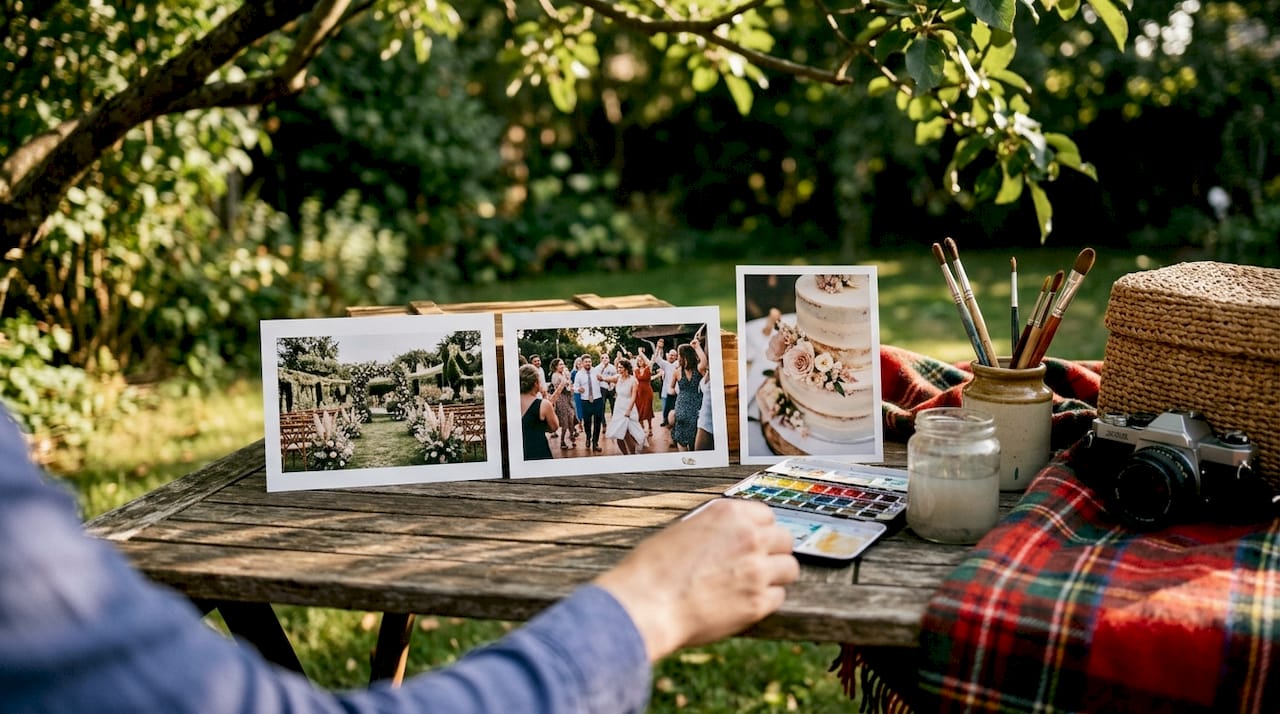
Pro Tip: Lead your portfolio with 3–5 hero shots that immediately show your specialization. Clients form their first judgment in 6–10 seconds, so those opening images must do the heaviest lifting.
The industry standard for curated portfolios is 15–25 high-quality images per event genre. That range is deliberate. Fewer images fail to prove consistency. More images create decision fatigue and dilute the impact of your strongest work. Staying within that window forces you to select only the images that genuinely represent your best and most relevant output.
Specialization matters more than variety. Specialized portfolios consistently outperform generalist mixed portfolios when it comes to client trust and booking rates. A photographer who shows corporate events, weddings, concerts, and birthday parties in one portfolio signals that they have no clear focus. A photographer who shows 10 corporate galas with consistent lighting and coverage signals that they know exactly what they are doing.
How does a well-curated portfolio influence client decisions and bookings?
Clients evaluate a photographer's portfolio within 15–30 seconds, with the first 10–20 images determining whether they continue or leave. That window is shorter than most photographers realize. It means the sequencing of your portfolio is as important as the images themselves.
A consistent editing style and coherent visual identity signal reliability to prospective clients. Reliability reduces perceived risk. When a client sees 20 images that all feel like they came from the same skilled hand, they feel confident that their event will receive the same treatment. Inconsistency, even with technically strong individual images, raises doubt.
Common portfolio mistakes that reduce conversion rates include:
- Mixing unrelated event genres without clear section labels, which confuses clients about your specialization.
- Showing only portraits while omitting environmental and detail shots, which leaves planners unable to assess full event coverage.
- Using slow or mobile-unfriendly websites, which drives clients away before they see a single image. Photographers who lack fast, mobile-friendly portfolios see significant conversion drops regardless of image quality.
- Hiding contact information, which breaks the path from interest to booking. Communication through presentation and ease of contact is as important as photographic skill for turning portfolio views into bookings.
- Failing to update the portfolio, which leaves outdated work representing your current capability.
Pro Tip: Test your portfolio on a phone before sending it to any client. If the images load slowly or the contact form is hard to find, fix the website usability issues before worrying about which images to add.
Clear specialization also answers the client's core hiring question directly. When a planner needs a photographer for a 500-person corporate gala, they want to see evidence of exactly that scenario. A portfolio that shows similar events, similar scale, and similar lighting conditions removes the need for the client to imagine whether you can handle it. You have already proven it.
How can photographers build and maintain an impactful event photography portfolio?
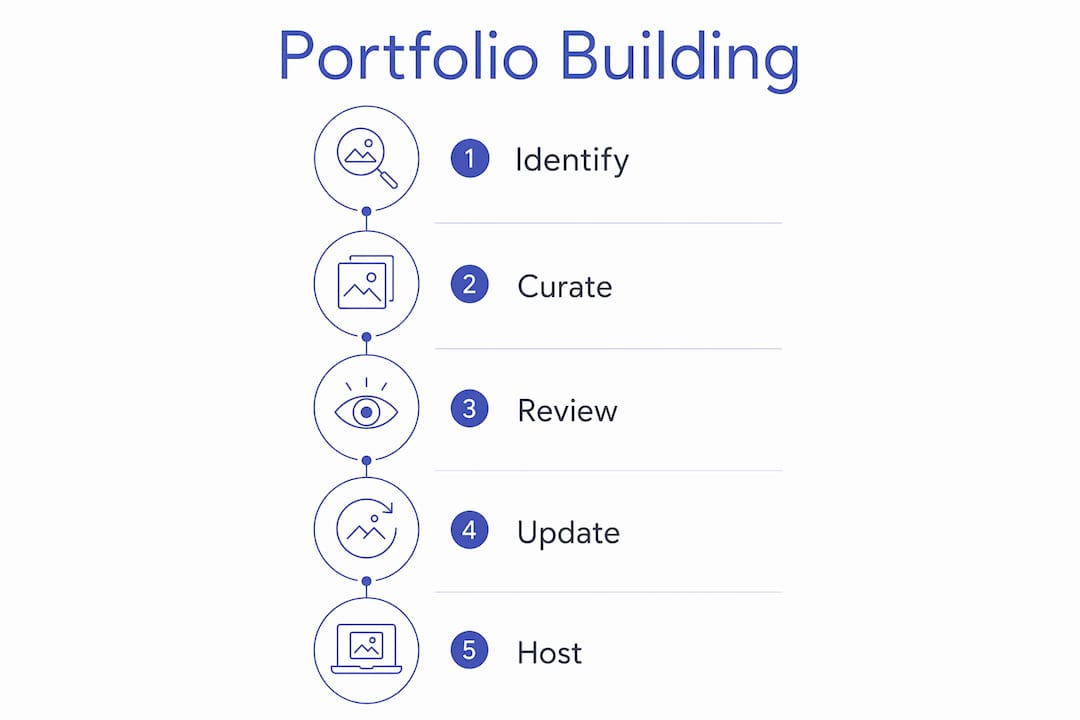
Building a strong portfolio starts with identifying the client type and event genre you want to attract. Your portfolio should reflect the work you want to book, not the work you have done by default. If you want to shoot corporate conferences, your portfolio needs corporate conferences. Showing what you have rather than what you want signals a lack of direction to prospective clients.
Quarterly reviews are the industry standard for portfolio maintenance. Update your portfolio every three months to replace older images with stronger recent work and to remove any images that no longer reflect your current skill level. This practice keeps your portfolio aligned with both your growth and the types of events you are actively targeting.
Storytelling through sequencing is one of the most underused portfolio techniques. Arrange images to take the viewer through an event from arrival to closing moments. This structure proves you can document an event as a complete narrative, not just capture isolated moments. It also makes your portfolio more engaging to browse.
The following practices separate portfolios that book clients from those that merely impress:
- Organize by event type, not by date or technical category, so clients can find relevant examples immediately.
- Include at least one full event gallery available on request, separate from your curated showcase, to satisfy planners who want to assess consistency across an entire shoot.
- Show images from difficult conditions, such as low light, mixed artificial lighting, or crowded multi-room venues. Displaying real-world challenging conditions reassures planners about your operational capability.
- Keep your editing style consistent across all images in a given genre section. Mixing warm and cool tones, or switching between heavy and light editing, undermines the sense of a unified visual identity.
For portfolio hosting, prioritize platforms that load quickly, display images at full resolution, and make contact easy. A portfolio that looks great in person but performs poorly online loses clients before they reach your strongest work. Larsonprophotography's approach to portfolio curation reflects these priorities directly, with organized galleries and clear contact paths built into the site structure.
What should event planners look for when evaluating a photographer's portfolio?
Event planners make a common and costly mistake: they choose photographers based on a handful of stunning portraits without checking whether consistent quality holds across an entire event. A photographer's best 10 images tell you very little. Their worst 10 images from the same event tell you everything.
When reviewing a photographer's portfolio, planners should assess the following:
- Coverage of similar event types and scale. A photographer who has shot 50-person dinners may not be equipped for a 600-person conference. Look for portfolio examples that match your event's size and format.
- Consistency across full galleries, not just highlights. Request access to complete galleries from past events. Assess whether quality holds from the first hour to the last.
- Range of shot types. A strong event portfolio includes environmental wide shots, candid moments, and detail images. A portfolio that shows only posed portraits signals limited coverage capability.
- Performance in difficult lighting. Check for images shot in low light, under mixed artificial lighting, or in venues with challenging layouts. Evidence of low-light capability is one of the clearest indicators of professional experience.
- Recency of work. A portfolio dominated by images from three or more years ago raises questions about current activity and skill level.
Beyond the images themselves, planners should ask photographers directly about their workflow, backup equipment, and how they handle unexpected situations. A photographer's answers to these questions reveal operational preparedness that no portfolio image can fully communicate. The questions you ask before you book are just as important as what you see in the gallery.
Style match matters too. A photographer whose portfolio shows dark, moody editorial work may not be the right fit for a bright, celebratory corporate event. The portfolio's visual tone should align with the atmosphere you want documented. When in doubt, ask to see examples from events that most closely resemble yours.
Key Takeaways
A photographer's portfolio is the single most powerful tool for converting client interest into a confirmed booking, and its effectiveness depends entirely on curation, consistency, and presentation.
| Point | Details |
|---|---|
| Portfolio as a sales tool | A portfolio answers the client's core question: can this photographer deliver what I need? |
| First impressions are fast | Clients judge a portfolio within 6–30 seconds, making the first 10–20 images critical for conversion. |
| Curate for your target client | Show 15–25 images per genre, organized by event type, and update every three months. |
| Planners need full galleries | Request complete event galleries, not just highlights, to verify consistent quality across an entire shoot. |
| Presentation affects bookings | A fast, mobile-friendly portfolio with clear contact information converts more viewers into clients. |
What I have learned from years of portfolio reviews
After reviewing hundreds of event photography portfolios, the pattern that separates bookable photographers from overlooked ones is almost never about raw talent. The photographers who consistently book clients lead with clarity. Their first five images tell you exactly what kind of events they shoot, what their editing style looks like, and what level of quality you can expect every time.
The 6–10 second rule is real. I have watched planners close a portfolio tab before reaching the third image because the opening shots were generic or inconsistent. That is not a judgment about the photographer's skill. It is a judgment about their ability to communicate their value quickly. A portfolio that buries its strongest work three scrolls deep loses clients who would have loved it.
The shift I see in 2026 is that clients are more sophisticated than they were five years ago. They know to ask for full galleries. They check mobile load times. They notice when a portfolio has not been updated in 18 months. Photographers who treat their portfolio as a living document, refreshed quarterly and organized around the clients they want to attract, are the ones filling their calendars. Those who treat it as a static archive are wondering why their inquiry rate has dropped. The importance of keeping portfolio images fresh extends beyond aesthetics. It signals that you are active, current, and serious about your craft.
— Todd
Larsonprophotography's approach to event portfolio presentation
Larsonprophotography has built its client-facing galleries around the same principles this article covers: clear specialization, consistent editing, and organized coverage that lets prospective clients assess real event performance.
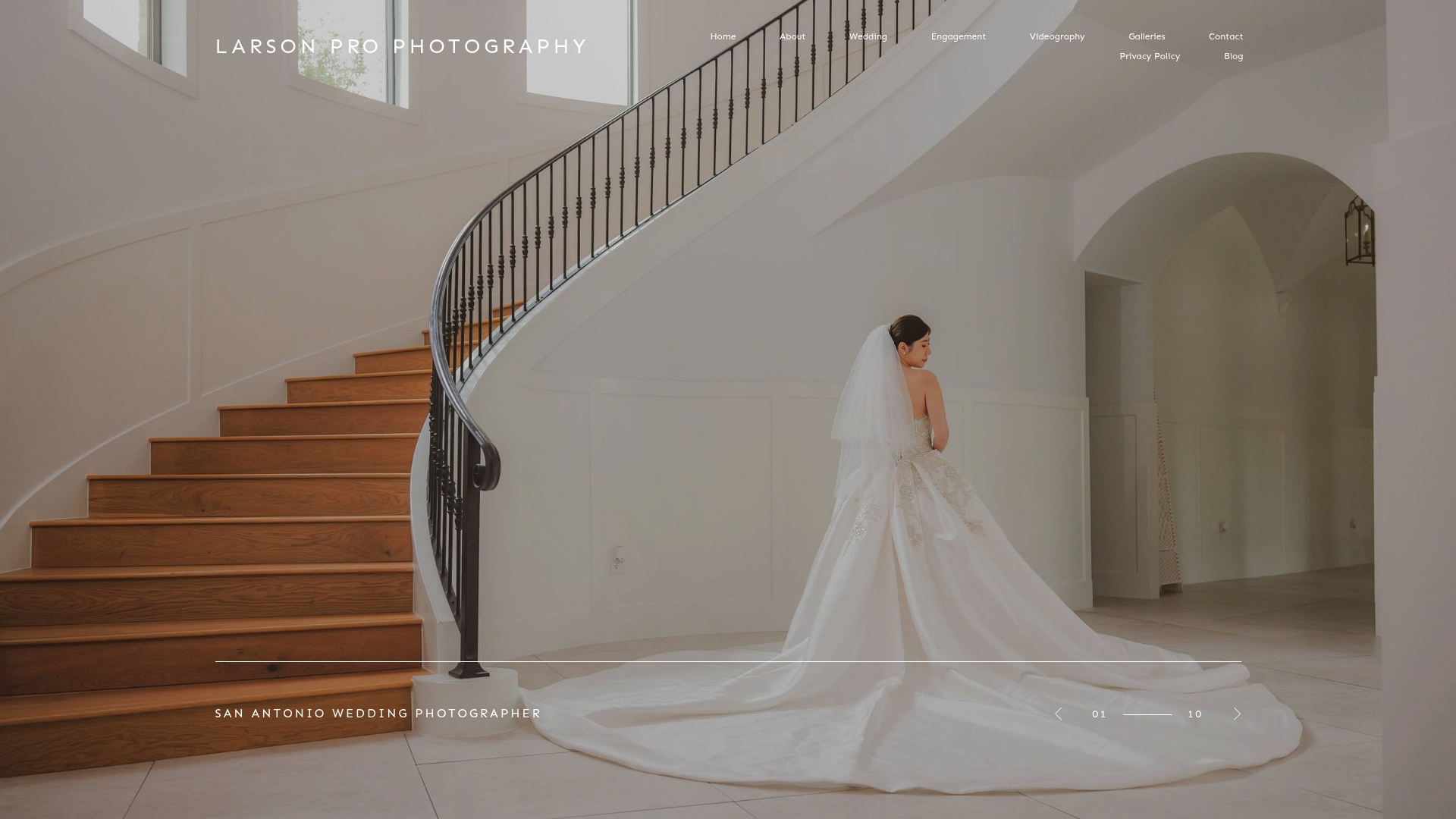
Photographers and planners looking for a concrete example of how a professional portfolio builds booking confidence can browse the client galleries at Larsonprophotography. The galleries are organized by event type, show full coverage across varied lighting conditions, and include clear contact options at every step. For planners evaluating photographers in the San Antonio area, or photographers looking for portfolio inspiration grounded in real event work, Larsonprophotography's approach offers a practical reference point. The wedding image curation standards applied there translate directly to corporate and social event portfolios as well.
FAQ
What is the role of a portfolio in event photography?
A portfolio is a curated sales tool that demonstrates a photographer's ability to deliver consistent, event-specific results. It answers the client's core question about capability and reliability before any conversation takes place.
How many images should an event photography portfolio contain?
Industry standards recommend 15–25 high-quality images per event genre. That range provides enough evidence of consistency without creating decision fatigue for the viewer.
How often should photographers update their portfolios?
Photographers should review and update their portfolios every three months. Regular updates keep the portfolio aligned with current skill level and the types of events being actively targeted.
What should event planners request beyond a photographer's highlight gallery?
Planners should request access to complete galleries from past events similar in size and format to their own. Full galleries reveal whether quality holds across an entire shoot, not just during the best moments.
Why does portfolio presentation affect booking rates?
A slow or mobile-unfriendly portfolio drives clients away before they see a single image. Clear contact information, fast load times, and organized galleries all directly affect how many portfolio views convert into inquiries.