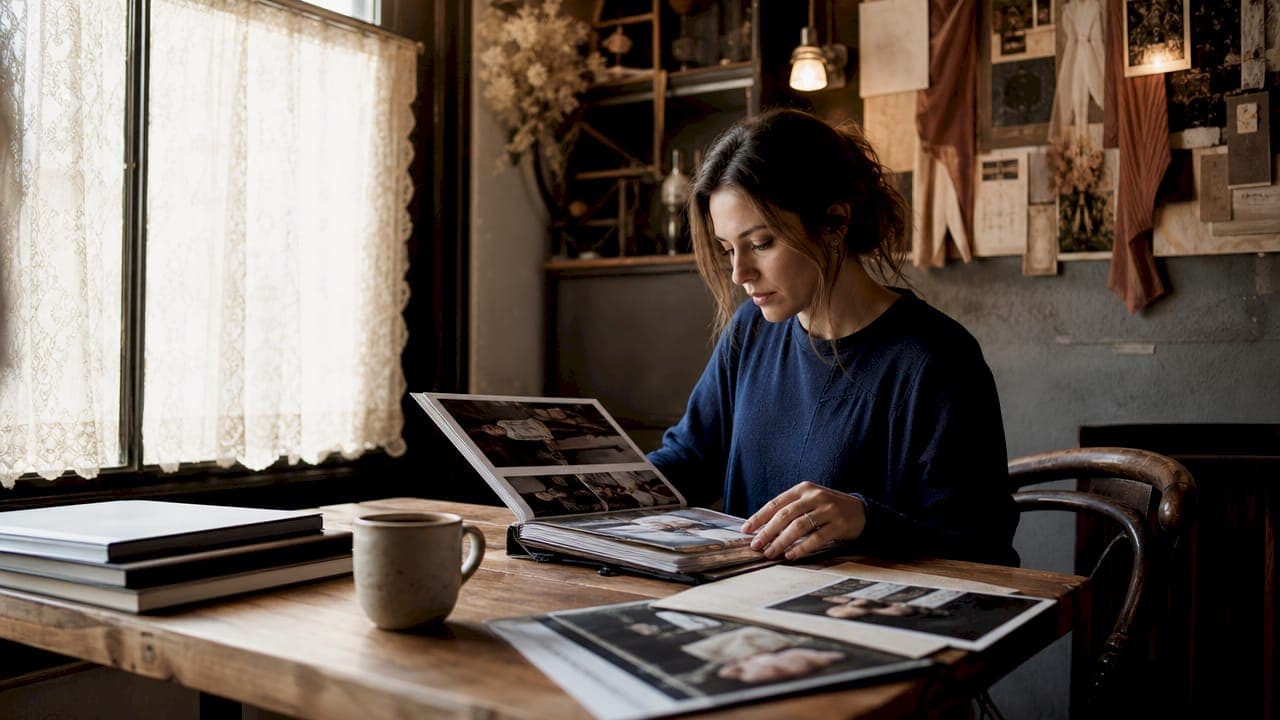
Style is the single most powerful variable in wedding imagery. It determines not just how your photos look, but how your wedding day actually feels while it's happening. The role of style in wedding imagery goes far beyond color palettes or filter choices. It shapes the emotional tone of every image, the way your photographer interacts with you, and the memories you carry for the rest of your life. With documentary style leading globally and hybrid approaches growing fast, couples in 2026 have more creative options than ever. Choosing the right style is one of the most consequential decisions you'll make in your wedding planning process.
What are the main wedding photography styles?
Documentary, fine art, and editorial are the three foundational wedding photography styles. Each one carries a distinct philosophy, a different photographer role, and a completely different experience for you on your wedding day.
Documentary style treats your wedding as a story to be observed, not directed. The photographer stays in the background, capturing candid reactions, stolen glances, and unscripted moments as they happen. There is minimal posing and almost no interruption to the natural flow of your day. Couples who value authenticity and emotional storytelling gravitate toward this approach.
Fine art style is composed and deliberate. Photographers working in this style think like painters. They frame shots with careful attention to light, geometry, and visual balance. The result is imagery that feels timeless and gallery-worthy, often with a soft, luminous quality. Fine art photographers do direct couples, but the direction is subtle and focused on creating beauty rather than drama.
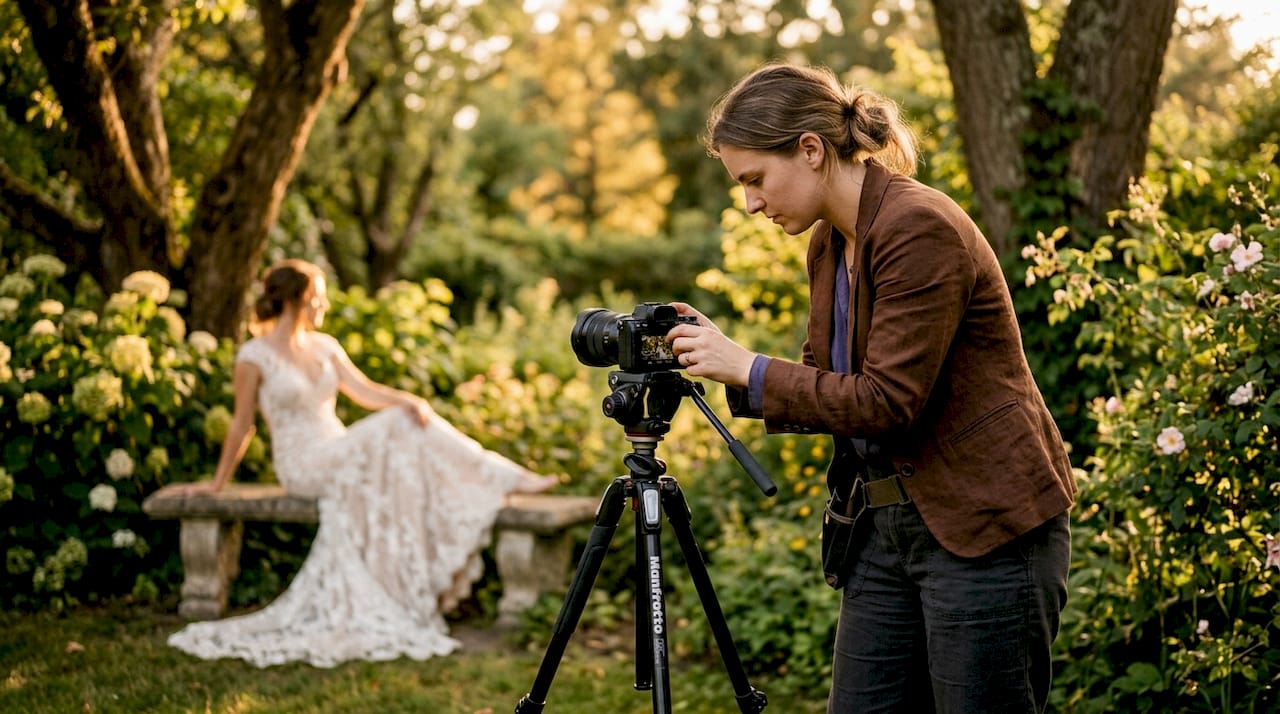
Editorial style is the most structured of the three. It borrows directly from fashion photography. The photographer acts as an art director, guiding your poses, expressions, and movements to create images that look like they belong in a magazine spread. This style demands more active participation from you as a couple, but the payoff is polished, high-impact imagery.
Pro Tip: Ask any photographer you're considering to describe their role on the wedding day. Their answer will tell you more about their style than any portfolio image.
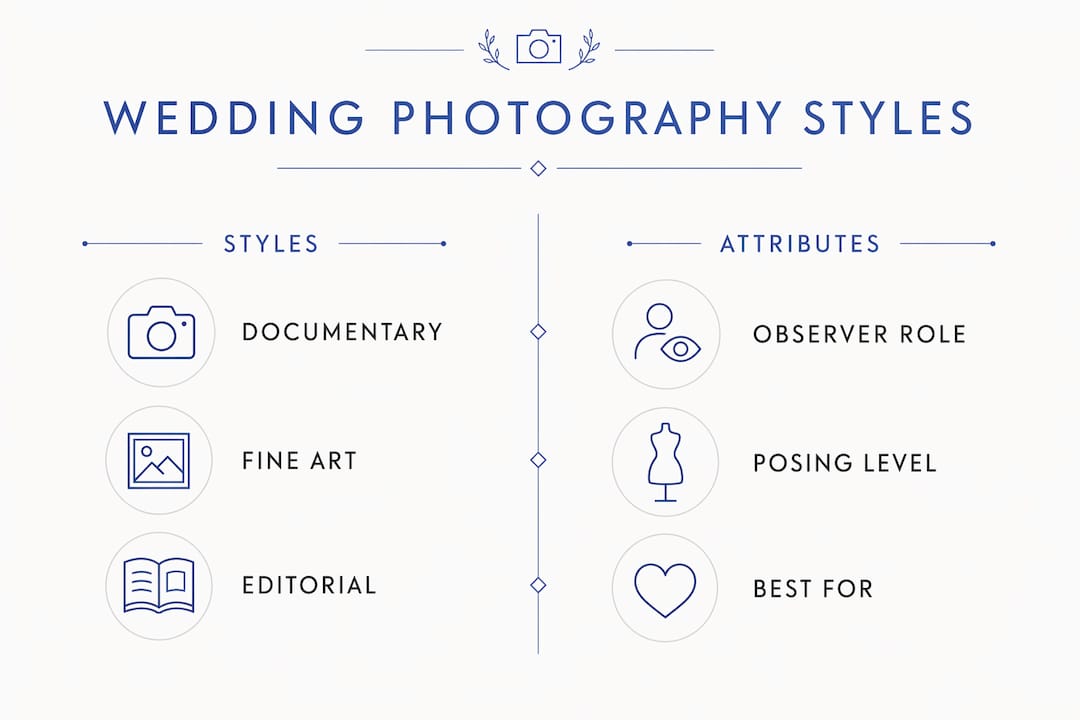
Hybrid wedding photography blends documentary coverage with fine art or editorial portraiture. This is the fastest-growing approach in 2026. Couples get authentic candid moments from the ceremony and reception, plus intentional portrait sessions that deliver polished, composed images. The table below summarizes the key differences.
| Style | Photographer role | Posing level | Best for |
|---|---|---|---|
| Documentary | Observer | None to minimal | Couples who want authenticity |
| Fine art | Gentle director | Moderate | Couples who want timeless beauty |
| Editorial | Art director | High | Couples who want fashion-forward images |
| Hybrid | Flexible | Mixed | Couples who want both candid and composed |
How have 2026 trends shifted wedding imagery styles?
The biggest shift in 2026 is the move away from social media-driven uniformity toward deeply personal, personality-driven imagery. Luxury planners confirm that couples are reclaiming their weddings as genuine expressions of who they are, not performances for an Instagram audience. That shift changes everything about how style functions in wedding photography.
The numbers back this up clearly:
- 78% of couples incorporate vintage or nostalgic elements into their wedding aesthetic in 2026, pushing photographers toward organic textures and timeless tones.
- 62% of couples plan multiple outfit looks to create variety in their wedding imagery, which directly influences the photography style needed to capture each look effectively.
- Searches for cinematic backdrops and layered visual richness increased by up to 50% in 2026, reflecting a strong appetite for romantic maximalism over clean minimalism.
These trends carry real implications. A couple embracing vintage nostalgia needs a photographer who understands film-inspired tones and organic light. A couple planning multiple outfit changes needs a photographer who can shift style fluidly across the day. The 2026 wedding photography trends show that style is no longer a single fixed choice. It's a layered, evolving conversation between you, your photographer, and your overall wedding vision.
The move toward romantic maximalism also means more sensory-rich environments: lush florals, textured fabrics, candlelight, and architectural venues. Each of these elements interacts directly with photography style. A dark and moody photographer thrives in candlelit ballrooms. A bright and airy photographer needs open windows and natural light. Matching your aesthetic choices to your photographer's style is not optional. It's the foundation of great imagery.
How does photography style shape your wedding day experience?
Photography style directly affects your comfort and presence on your wedding day. Photographer Ingrid Yeh puts it plainly: style defines not just the images but the entire day's experience, from natural observation to directed fashion posing. That distinction matters more than most couples realize when they're booking.
A documentary photographer is essentially invisible. You forget they're there. That invisibility creates freedom. You laugh, cry, and move through your day without interruption. The camera catches what's real. For couples who feel stiff in front of a lens, this approach removes the pressure entirely.
An editorial photographer operates differently. They stop moments, adjust your positioning, and guide you through specific looks. This produces stunning results, but it requires you to be comfortable with direction and willing to pause the natural flow of your day for portrait sessions. Couples who enjoy being styled and directed often love this process. Couples who find posing awkward may find it exhausting.
Hybrid photographers using movement-based cues reduce camera nerves by keeping direction light and interactive rather than rigid. Instead of telling you to stand still and smile, they ask you to walk together, whisper something, or look at a specific detail. The result is natural-looking images that still carry intentional composition. This approach works well for couples who want polished photos without feeling like they're in a photo shoot.
Pro Tip: During your photographer consultation, ask: "How do you help couples who feel nervous in front of the camera?" The answer reveals their approach to direction and whether it matches your comfort level.
Practical questions to ask yourself before choosing a style:
- Do you prefer to be observed or directed?
- Are you comfortable pausing your reception for portrait sessions?
- Does your venue support the lighting needs of your preferred style?
- Does your outfit align with the visual demands of editorial or fine art photography?
What steps help couples align style with venue, outfits, and vision?
Style cohesion across your wedding requires deliberate planning in four areas: outfit selection, venue choice, photographer communication, and gallery review.
-
Match your outfit to your style. Editorial photography demands sculptural garments that photograph with strong lines and visual presence. A tailored gown with architectural detail works far better in an editorial shoot than a soft, flowing dress. Conversely, a relaxed, romantic dress suits fine art or documentary coverage beautifully. Photographer Kerry Ann Duffy notes that garment selection and venue light are equally important to the final editorial result.
-
Choose a venue that supports your aesthetic. Venue architecture and lighting directly shape what's possible in your photos. A dark, moody ballroom supports dramatic editorial imagery. An open garden with soft afternoon light supports bright and airy or fine art styles. Visiting your venue at the same time of day as your ceremony helps you understand the light you'll actually be working with.
-
Communicate your style preferences clearly. Bring reference images to your photographer consultation. Create a mood board that shows the tones, compositions, and emotional qualities you want. Client-photographer collaboration is the single most effective way to close the gap between what you imagine and what you receive.
-
Review full wedding galleries, not just highlights. Style labels are starting points. A photographer's highlight reel shows their best work. A full wedding gallery shows their consistency. You need to see how they handle the getting-ready room, the reception speeches, and the low-light dance floor, not just the golden-hour portraits. Reviewing complete galleries is the most reliable way to verify that a photographer's style holds up across an entire wedding day.
For couples exploring styling techniques for timeless photos, the principle is consistent: every visual element should reinforce the same aesthetic. When your dress, your venue, your florals, and your photographer's style all speak the same visual language, the images feel unified and intentional rather than scattered.
Key Takeaways
The role of style in wedding imagery is both aesthetic and experiential. It shapes how your photos look and how your wedding day actually feels while it's unfolding.
| Point | Details |
|---|---|
| Style defines the day's experience | Your photographer's style affects how they interact with you, not just the final images. |
| Hybrid approaches lead in 2026 | Blending documentary with fine art or editorial gives couples both candid and composed results. |
| Trends favor personalization | 78% of couples use vintage influences; personality-driven imagery is replacing uniform social media looks. |
| Full gallery review is non-negotiable | Highlight reels show best work; full galleries reveal true style consistency across an entire day. |
| Style cohesion requires planning | Outfit, venue, and photographer must share the same visual language for unified imagery. |
Why style is the decision most couples underestimate
Working with couples across a wide range of weddings, I've noticed a consistent pattern. Most couples spend weeks choosing flowers and hours choosing a cake, but they spend about 20 minutes choosing a photography style. That imbalance shows up in the final images.
The couples who walk away with photos they genuinely love are the ones who treated style as a core decision, not an afterthought. They came to consultations with reference images. They asked hard questions about how their photographer handles low-light reception halls and nervous brides. They reviewed full galleries instead of just the curated highlights on a website.
The couples who feel disappointed almost always made the same mistake: they booked based on one or two stunning images without understanding the style behind them. A single gorgeous golden-hour portrait does not tell you how a photographer handles a chaotic getting-ready room or a dark church ceremony. Full galleries do.
My honest advice: resist the pull of trends. The vintage aesthetic is beautiful, and romantic maximalism is genuinely exciting. But if you are a minimalist at heart, forcing a maximalist style into your wedding imagery will feel wrong every time you look at those photos. Choose the style that reflects who you actually are as a couple. That's the imagery that ages well.
— Todd
See your style come to life with Larsonprophotography
Choosing a photography style is easier when you can see real examples from real weddings.
Larsonprophotography's client wedding galleries show complete coverage across documentary, fine art, and hybrid styles, so you can see how each approach holds up from the ceremony through the reception. For couples who want to explore their style comfort before the wedding day, an engagement session is the most practical way to work with your photographer, understand how direction feels, and refine your aesthetic choices in a low-stakes setting. Reach out to discuss your vision and find the approach that fits your personality.
FAQ
What is the role of style in wedding imagery?
Style in wedding photography defines both the visual aesthetic and the emotional tone of your images. It also shapes how your photographer interacts with you on the wedding day itself.
Which wedding photography style is most popular in 2026?
Documentary style remains the top global request in 2026, though hybrid approaches blending documentary with fine art or editorial portraiture are growing fastest.
How do I know if a photographer's style matches what I want?
Review their full wedding galleries, not just highlight reels. Full galleries reveal how consistently a photographer's style holds across an entire wedding day, including low-light and candid moments.
Does my venue affect which photography style works best?
Yes. Venue architecture and lighting directly influence which styles are achievable. Open, naturally lit spaces favor bright and airy or fine art styles, while dramatic indoor venues support dark and moody or editorial approaches.
What is a hybrid wedding photography style?
A hybrid style combines documentary candid coverage with intentional fine art or editorial portrait sessions. It gives couples authentic unscripted moments alongside polished, composed images in a single wedding gallery.