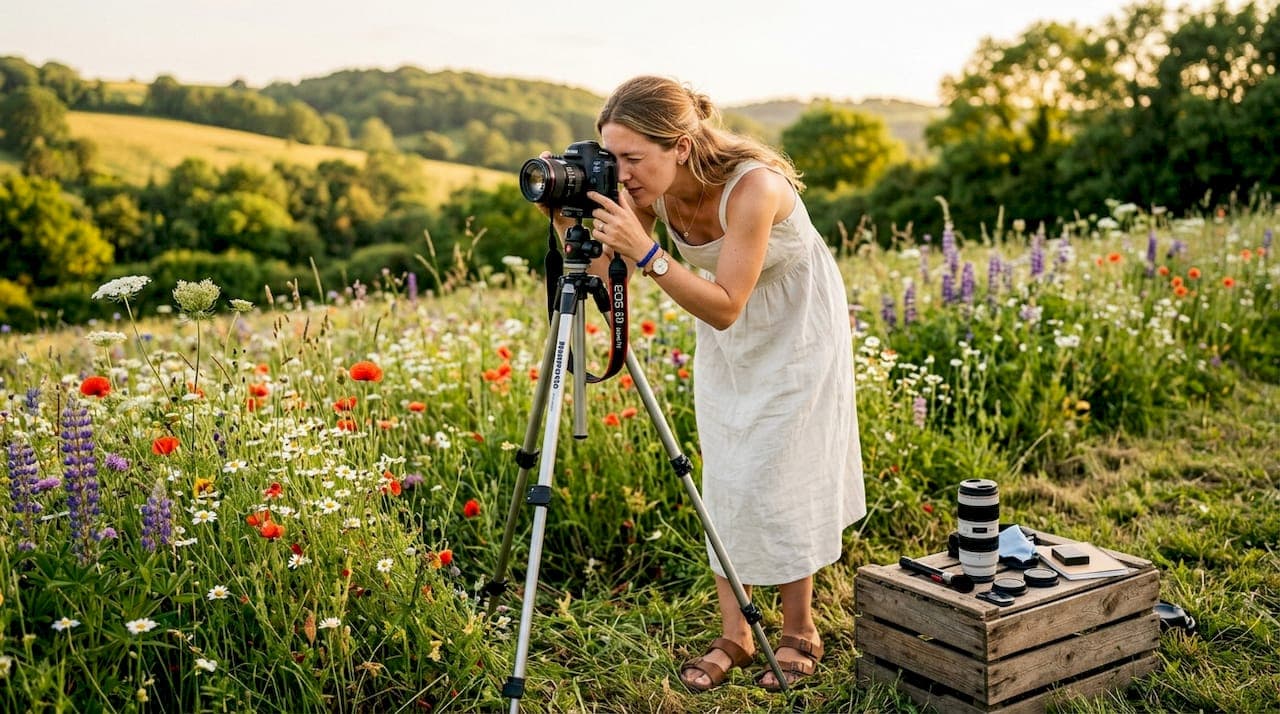
Seasonal wedding photography is defined as the practice of tailoring your photo style, timing, and visual elements to the distinct light qualities, colors, and textures each season offers. Each season carries its own light character: spring delivers soft romance, summer brings bold energy, autumn creates cinematic warmth, and winter produces intimate drama. The season you choose shapes every image your photographer captures. Larsonprophotography works with couples across all four seasons, and the difference between a good photo and an unforgettable one almost always comes down to how well the shoot aligns with the season's natural strengths.
1. Seasonal wedding photography ideas for spring
Spring light is soft, diffused, and flattering, making it the most forgiving season for outdoor portraits. The gentle overcast sky acts like a natural softbox, smoothing skin tones and reducing harsh shadows. Blooming ranunculus, lilacs, and cherry blossoms add color and texture without any extra props.
The best spring locations lean into that natural abundance:
- Gardens and botanical parks with blooming flower beds as backdrops
- Tree-lined paths where fresh green canopies filter the light
- Open meadows for wide, airy compositions with soft horizon lines
- Historic courtyards where stone textures contrast with spring florals
Color palettes that photograph beautifully in spring include blush, sage, dusty blue, and ivory. These tones stay true under diffused light without washing out or oversaturating. For wardrobe, light linens, chiffon, and flowy fabrics move naturally in a breeze and catch soft light without glare. Wedding photo outfits made from matte, breathable fabrics consistently outperform shiny synthetics in spring conditions.
Spring detail shots are worth planning carefully. Floral arrangements, ribbon textures on bouquets, and dew-touched petals all read beautifully under soft morning light. A detail photography session scheduled in the first hour after sunrise captures spring's freshest light before it flattens.
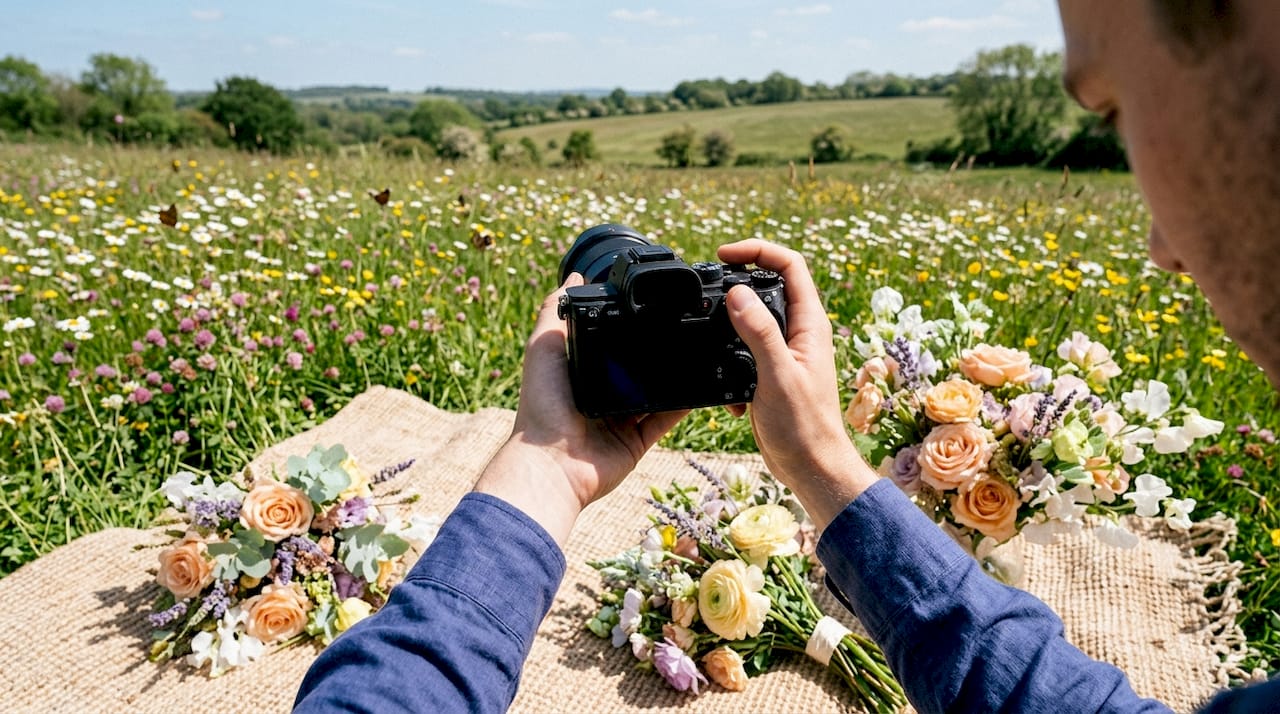
Pro Tip: Keep a clear umbrella in your wedding day kit. Clear umbrellas and seasonal wraps turn a rainy spring afternoon into a genuinely intimate and creative shoot rather than a cancellation.
2. Summer wedding photography ideas for golden hour portraits
Summer gives you the longest golden hour of any season, with sunsets arriving late in the evening and lingering for extended periods. Summer's bright midday light and long evenings create dreamy golden-hour portraits that feel expansive and joyful. The challenge is the harsh midday sun, which creates unflattering shadows and squinting. The solution is scheduling.
Smart summer photo planning looks like this:
- Avoid 11:00 AM to 3:00 PM for outdoor portraits; use that window for indoor ceremony and reception shots
- Schedule couple portraits 60–90 minutes before sunset to catch the warmest, most directional light
- Use shade strategically: tree canopies, building overhangs, and covered walkways all produce even, flattering light mid-afternoon
- Water features and open landscapes reflect and diffuse summer light beautifully, adding depth to wide shots
For poses, summer energy calls for movement. Walking shots, candid laughter, and dynamic compositions feel authentic to the season's mood. Stiff, formal poses fight against summer's natural energy. Wardrobe choices matter too: breathable fabrics like linen and lightweight cotton photograph well and keep couples comfortable. Avoid high-sheen fabrics that reflect harsh sunlight and create blown-out highlights.
Pro Tip: Schedule a 15-minute break in a shaded, air-conditioned space between ceremony and portraits. Couples who arrive at their golden-hour session refreshed and relaxed produce noticeably more natural expressions.
3. Autumn wedding photography ideas with cinematic warmth
Autumn is the most photogenic season for couples who want drama and depth. 2026 autumn wedding photography trends move away from rustic clichés toward refined seasonal luxury, using textures like velvet, antique gold, and linen alongside earthy color palettes. The shift is significant. Pumpkins and burlap are out. Terracotta, olive, burnt orange, and deep jewel tones are in.
Autumn light arrives at a lower angle than summer, which means longer shadows and richer contrast even at midday. Sunsets come earlier, so portrait sessions need to start sooner than couples often expect. The payoff is extraordinary: amber-toned light wrapping around textured fabrics and foliage creates images that look like film stills.
Wardrobe and props that work best in autumn:
- Velvet and linen for tactile depth that interacts with low-angle light
- Wool blankets and knit wraps for layered, intimate couple shots
- Dried pampas grass and leather-bound journals as editorial props
- Deep jewel-tone florals like burgundy dahlias and rust chrysanthemums
Fabric texture in wardrobe is as important as floral choices and backdrops. Textures interact with low-angle autumn light to create visual depth that no amount of post-processing can replicate. A velvet bridesmaid dress in terracotta catches autumn light in a way that a satin dress simply cannot.
| Autumn element | Photography effect |
|---|---|
| Velvet fabric | Absorbs light, adds richness and depth |
| Terracotta color palette | Harmonizes with amber foliage tones |
| Dried pampas grass | Adds editorial texture without competing with the couple |
| Candlelight at reception | Creates warm, intimate mood for indoor portraits |
| Low-angle afternoon sun | Produces long shadows and dramatic contrast |
Pro Tip: Use candlelight and layered lighting at your reception for indoor portraits. Candlelight in autumn creates an intimacy that overhead venue lighting never achieves, and it photographs with a warmth that feels genuinely cinematic.
4. Winter wedding photography ideas for dramatic, intimate shots
Winter produces the most cinematic wedding photos of any season when handled correctly. Winter weddings feature high-contrast indoor photos using candlelight and off-camera flash to balance cold and warm color temperatures. The challenge is that indoor venues mix orange tungsten light with cool daylight, creating color casts that flatten skin tones. A professional photographer brings off-camera flash to neutralize that conflict and maintain natural-looking results.
Outdoor winter shots reward couples who plan for them. Snow-covered landscapes, bare tree silhouettes, and low gray skies create a moody, graphic quality that no other season offers. The key constraint is time. Winter sunsets require portrait sessions earlier in the afternoon, and the optimal golden-hour window can be as short as 20–30 minutes. Every minute counts.
Winter wardrobe and styling ideas that photograph well:
- Wool coats and knit wraps over wedding attire for outdoor shots
- Leather gloves and textured scarves as detail-rich accessories
- Faux fur stoles for bridal portraits that add luxury without bulk
- Dark, jewel-toned bridesmaid dresses that contrast beautifully against white snow
For indoor shots, fireplaces, candlelit tablescapes, and string-light ceilings all create natural warmth that complements winter's cool exterior palette. Unique photo backdrops like frosted windows, dark wood paneling, and velvet drapery work especially well in winter light.
Pro Tip: Add 5–10 minutes of buffer time specifically for your golden-hour window in winter. The sun sets fast, and couples who arrive at their outdoor portrait location even slightly late lose the best light entirely.
5. Universal tips for adapting to any season's light and weather
The strongest wedding photos across all seasons share one quality: intentional material and timing choices made before the wedding day. Weather and seasonal conditions that seem like downsides, such as rain, overcast skies, or early sunsets, consistently produce the most authentic and emotionally resonant images when a photographer is prepared for them.
Key strategies that apply regardless of season:
- Build buffer time into every outdoor session: spring and fall weather shifts quickly, and buffer time with stylish accessories prevents cancellations while adding creative visual elements
- Match fabric to light quality: matte fabrics work in bright summer light; reflective and textured fabrics shine in low autumn and winter light
- Know your sunset time: seasonal sunset timing determines your portrait window, so build your entire day-of schedule around it
- Plan indoor lighting in advance: discuss color temperature with your venue and photographer so indoor shots match the warmth of your outdoor palette
Color temperature is the most overlooked factor in wedding photo planning. Indoor venues typically run warm orange tones from tungsten bulbs, while daylight reads cool blue. When both appear in the same frame without correction, the result looks unnatural. Discussing this with your photographer before the wedding day, not after, produces consistently better results.
Pro Tip: Ask your photographer to do a 10-minute walk-through of your venue at the same time of day as your reception. Lighting conditions change dramatically between noon and 6:00 PM, and a brief preview eliminates surprises on the day.
Key Takeaways
The most effective seasonal wedding photography aligns your date, wardrobe, location, and timing with the specific light quality and mood your chosen season naturally delivers.
| Point | Details |
|---|---|
| Season shapes every image | Each season's light quality directly determines photo mood, color, and depth. |
| Timing is non-negotiable | Schedule portraits around sunset times, which vary significantly by season. |
| Fabric texture matters as much as florals | Velvet, wool, and linen interact with seasonal light to create depth no filter can replicate. |
| Weather is a creative asset | Rain, overcast skies, and early sunsets produce intimate, authentic images when planned for. |
| Buffer time prevents lost shots | Building 10–15 minutes of flexibility into outdoor sessions protects your best light window. |
What I've learned about choosing a season for your photos
Most couples choose their wedding date based on venue availability or family schedules. That is a practical decision, but it is not a photographic one. After years of shooting weddings across all four seasons, the couples who end up with the most striking images are the ones who asked a different question first: "What do we want our photos to feel like?"
A couple who wants soft, romantic, airy images belongs in spring. A couple who wants bold, joyful, sun-drenched portraits belongs in summer. A couple who wants cinematic drama and rich color belongs in autumn. A couple who wants intimate, moody, high-contrast shots belongs in winter. The season is not just a backdrop. It is the primary creative tool.
The seasons that get overlooked most often are winter and late autumn. Couples worry about cold weather and short days. What they miss is that those constraints produce the most distinctive images. Choosing your wedding season based on aesthetic goals rather than convenience is the single most impactful creative decision you can make before you book anything else.
The other thing I tell every couple: do not fear imperfect weather. Some of the most emotionally powerful wedding photos I have seen came from rainy spring afternoons and gray winter mornings. Perfect weather produces beautiful photos. Imperfect weather produces unforgettable ones.
— Todd
Larsonprophotography's approach to seasonal wedding photos
Capturing a wedding well means understanding that the season is not just a setting. It is the light source, the color palette, and the mood all at once. Larsonprophotography specializes in reading those seasonal conditions and building a shoot plan around them, from golden-hour timing to wardrobe consultation to indoor lighting strategy.
Every couple who works with Larsonprophotography receives a session tailored to their season's specific strengths. Whether you are planning a spring garden ceremony or a winter reception with candlelit portraits, the approach stays the same: align every creative decision with the light and mood your season delivers. Browse the wedding photography packages to see how Larsonprophotography approaches each season, or explore the client galleries to see seasonal work across all four times of year. Consultations are available for couples at any stage of planning.
FAQ
What season produces the best wedding photos?
No single season produces universally better photos. Each season offers distinct light qualities that suit different aesthetics, so the best season is the one that matches the mood you want your images to convey.
How does seasonal light affect wedding portrait timing?
Sunset times vary significantly by season, with winter sunsets arriving in early afternoon and summer sunsets extending into late evening. Your portrait session should be scheduled around your season's golden-hour window, not your reception timeline.
What wardrobe fabrics photograph best in autumn and winter?
Velvet, wool, and linen interact with low-angle autumn and winter light to create visual depth and texture. These fabrics consistently outperform satin and synthetic blends in cooler-season photography.
Can rainy or overcast weather still produce great wedding photos?
Overcast and rainy conditions produce soft, even light that is actually flattering for portraits. Weather-related conditions often yield more authentic and emotionally resonant images than a perfectly sunny day.
How far in advance should I discuss seasonal photography with my photographer?
Discuss your season, venue, and lighting conditions at your initial consultation, not the week before the wedding. Early planning allows your photographer to scout locations, plan for outdoor portrait sessions, and build a day-of schedule that protects your best light window.