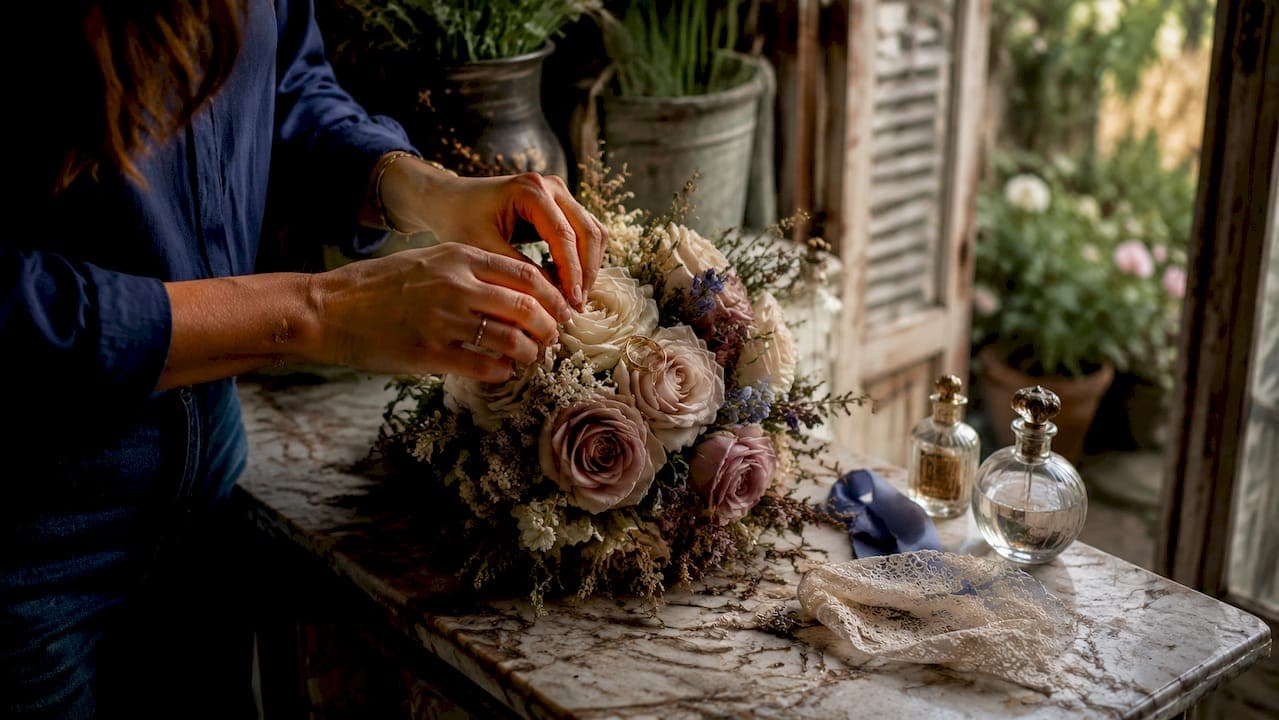
Creative wedding detail shots are photographic images of small, meaningful wedding elements captured in artistic and authentic ways that enhance the overall story of the day. In professional wedding photography, this practice is called detail photography, and it covers everything from rings and invitations to floral arrangements and table settings. The best detail shots do more than document objects. They carry emotion, reflect the couple's personality, and give a wedding album its depth. As 2026 trends push toward authenticity and spontaneity, both couples and photographers need a sharper approach to capturing these moments well.
1. What are the top creative wedding detail shot ideas to try?
The strongest creative wedding detail shots blend visual impact with genuine storytelling. They show the real objects, the real textures, and the real context of the day rather than a perfectly arranged studio setup.
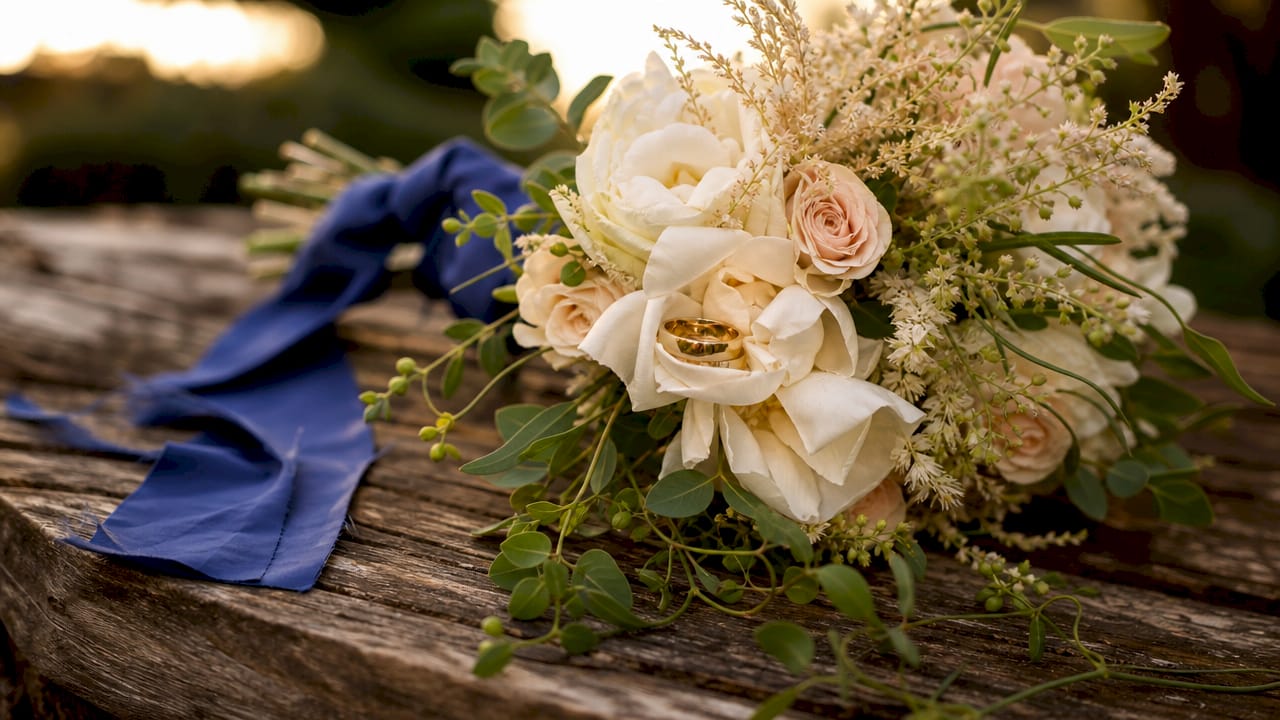
Ring in the bouquet. Tucking the wedding band into the petals of the bridal bouquet is one of the most cited fashion-driven detail ideas in 2026 wedding photography. The contrast between the metal and the organic floral texture creates a striking, unexpected image that feels both editorial and personal.
Candid table setups. A half-eaten slice of cake, a wine glass with a lipstick mark, or a scattered centerpiece after dinner tells the story of a celebration actually lived. Authentic storytelling in detail shots now prioritizes these candid, imperfect moments over highly staged arrangements.
Personal mementos. A grandmother's brooch, a handwritten note from a parent, or a worn family Bible carries emotional weight that a generic floral flat lay cannot match. Ask couples to bring two or three sentimental objects specifically for detail photography.
Invitation suite flat lays. The invitation suite is one of the most visually rich detail subjects available. Layer the envelope, the card, a wax seal, and a loose floral stem on a textured surface for a composition that reflects the wedding's design language.
Environmental textures. Placing a ring on a moss-covered stone, a rough wooden beam, or a sun-warmed tile floor connects the detail to the actual location. This approach produces images that feel specific to one day and one place rather than interchangeable.
Getting ready moments. The getting ready window is the best time for ring photography because items are accessible, the environment is calm, and compositional options are wide open. Shoot rings before they are worn, perfume bottles in natural window light, and shoes still in their box.
Bridal accessories in context. Earrings resting on an open book, a veil draped over a chair back, or heels placed on a patterned hotel floor all create bridal detail shots that feel lived-in rather than posed.
Pro Tip: Ask your florist for a handful of loose stems specifically for flat lays. Using separate flowers protects the main bouquet and gives you far more styling flexibility throughout the day.
2. How to style and prepare your wedding details for creative photography
Preparation is the single biggest factor separating strong detail photography from forgettable snapshots. Couples who arrive with a curated set of objects give their photographer the raw material for genuinely compelling images.
Build a details box. A well-prepared details box should contain:
- Both wedding rings (bride's and groom's)
- The full invitation suite, plus a second set of invitations for layering in flat lays
- Perfume or cologne bottles
- Sentimental jewelry, cufflinks, or heirlooms
- Loose floral clippings from the florist
- Any small personal items with emotional significance
A pre-assembled kit like this minimizes delays and allows the photographer to start shooting details early, before the schedule gets tight.
Match your palette. Styling based on a coordinated color palette tied to the wedding theme elevates image quality and creates visual cohesion across the album. If your wedding uses dusty rose and sage green, choose surfaces and props in those tones.
Choose textured backgrounds. Marble, vintage wood, silk fabric, and linen all work well as flat lay surfaces. Avoid busy patterns that compete with the subject. The background should support the detail, not fight it.
Shoot early. The morning of a wedding is the calmest window of the day. Lighting is often softer, rooms are tidier, and there is time to experiment. Your wedding photography checklist should include a dedicated block of time for details before the ceremony begins.
Pro Tip: Request loose flower stems from your florist the night before. Refrigerating them overnight keeps them fresh and gives you the most vibrant color for morning detail shots.
3. What are the latest trends in creative wedding detail photography for 2026?
The defining shift in 2026 wedding detail photography is the move away from rigid, perfectly arranged flat lays toward spontaneous, playful, and documentary-style images. Photographers now act as creative directors who collaborate with couples on narrative rather than simply arranging objects on a surface.
"The most meaningful wedding detail shots come from 'in-between' moments typically dismissed as outtakes." — Photography Trends 2026
This shift reflects a broader cultural appetite for authenticity. Couples want their albums to feel like a real record of their day, not a catalog shoot. That means the catering setup mid-service, the flower girl's discarded crown, and the groom's jacket slung over a chair all qualify as compelling detail subjects.
Natural light is now the dominant choice for detail photography. Harsh flash setups that flatten texture are out. Window light, open shade, and golden hour all preserve the analog, film-like quality that 2026 couples consistently request.
Fashion-driven placements are also gaining ground. Rings photographed in unexpected locations, like between a bride's teeth or balanced on a champagne flute rim, create images that feel editorial and shareable. These shots require confidence from the photographer and a willingness from the couple to play.
The photographer's role has also expanded. Rather than working invisibly in the background, today's detail photographers collaborate with couples before the wedding to understand which objects carry meaning and how the day's visual story should unfold. This is covered in depth in Larsonprophotography's guide to wedding photography trends.
4. Which surfaces and environments work best for creative wedding detail shots?
The surface beneath a detail subject is as important as the subject itself. The wrong background flattens an image. The right one adds depth, context, and story.
| Surface type | Best for | Effect |
|---|---|---|
| Marble or stone | Rings, jewelry, invitations | Clean, elegant contrast |
| Vintage or raw wood | Rustic details, florals, perfume | Warm, textured, organic |
| Silk or linen fabric | Bridal accessories, rings | Soft, romantic, high-end |
| Venue floor or tile | Shoes, bouquets, full flat lays | Location-specific storytelling |
| Natural outdoor surfaces | Rings, foliage, bark | Authentic, environmental narrative |
Environmental textures from the venue such as rocks, bark, and wooden tables provide authentic backdrops that connect the image to a specific place and occasion. A ring resting on a piece of driftwood at a coastal venue tells a completely different story than the same ring on a white marble slab.
The best environmental discoveries happen on the day itself. Arrive early, walk the venue, and look for surfaces with interesting color, grain, or light. Pre-planning helps, but accidental environmental discoveries often produce the most original images.
Couple's hands add another layer of realism. A ring on a finger, held over a bouquet or resting against a textured wall, grounds the object in the human story of the day. This approach works especially well for outdoor wedding photography where natural settings provide rich, varied backdrops.
Pro Tip: Keep background complexity low when the subject is small. A ring on a heavily grained wood surface can get lost. Use a slightly blurred background or move to a smoother section of the same material.
Key takeaways
The most effective approach to creative wedding detail photography combines early preparation, a curated details box, and the flexibility to capture spontaneous moments throughout the day.
| Point | Details |
|---|---|
| Build a details box | Pack rings, invitations, perfume, florals, and heirlooms before the wedding day begins. |
| Shoot during getting ready | The morning window offers calm, good light, and full access to all detail items. |
| Prioritize authenticity | Candid, imperfect moments tell stronger stories than perfectly staged flat lays. |
| Match surfaces to the story | Choose backgrounds that reflect the venue, palette, and mood of the wedding. |
| Collaborate with your photographer | Share meaningful objects and creative ideas before the day so nothing gets missed. |
What I've learned about capturing wedding details that actually matter
After photographing weddings across San Antonio and beyond, the detail shots I am most proud of are rarely the ones I planned. They are the ones I found. A bride's grandmother's ring sitting on a windowsill. A groom's handwritten vows folded next to his boutonniere. A flower girl's shoes kicked off under a pew.
Staged flat lays have their place. They create visual anchors in an album and give couples a clean record of the objects they chose. But the shots that make people cry when they flip through their gallery are almost always the ones that happened between the planned moments. Providing creative freedom during the day consistently leads to better candid detail images and less disruption to the couple's experience.
My advice to couples is simple. Bring the objects that matter to you, tell your photographer why they matter, and then let the day unfold. The best detail photography does not interrupt your wedding. It runs alongside it, quietly collecting the evidence of everything that made the day yours.
Imperfections are not problems to fix. A slightly wilted petal, a smudged lipstick mark on a glass, a ring that is not perfectly centered in the frame. These are the details that make an image feel real. Embrace them.
— Todd
Larsonprophotography's approach to wedding detail photography
Larsonprophotography works with San Antonio couples from the first consultation to understand which details carry personal meaning and how to build those into the visual story of the day.
Every wedding package includes dedicated time for detail photography, styling guidance before the big day, and a photographer who knows how to balance creative direction with an unobtrusive presence. Couples can browse real wedding galleries and read client experiences on the Larsonprophotography clients page to see how detail shots fit into a complete wedding story. Whether you are planning an intimate ceremony or a large San Antonio celebration, the details you choose deserve to be photographed with intention and care.
FAQ
What are creative wedding detail shots?
Creative wedding detail shots are close-up images of small, meaningful wedding elements such as rings, invitations, florals, and personal accessories, captured in artistic ways that support the overall story of the day. They go beyond documentation to create emotional and visual depth in a wedding album.
When is the best time to photograph wedding details?
The getting ready window is the best time for detail photography because items are accessible, the environment is calm, and natural light is often at its best. Shooting details before the ceremony begins gives the photographer the most creative flexibility.
What should I put in a wedding details box?
A details box should include both wedding rings, the full invitation suite plus a spare set, perfume or cologne bottles, sentimental jewelry or heirlooms, and loose floral clippings. A pre-assembled kit allows the photographer to start shooting immediately without searching for items.
What surfaces work best for wedding flat lays?
Marble, vintage wood, silk fabric, and venue-specific natural surfaces like stone or tile all work well for flat lays. The best surface matches the wedding's color palette and adds texture without competing with the detail subject itself.
How do 2026 wedding detail photography trends differ from previous years?
The 2026 shift moves away from perfectly arranged flat lays toward spontaneous, documentary-style images that capture candid and imperfect moments. Natural light, environmental textures, and fashion-driven placements now define the most sought-after detail photography style.