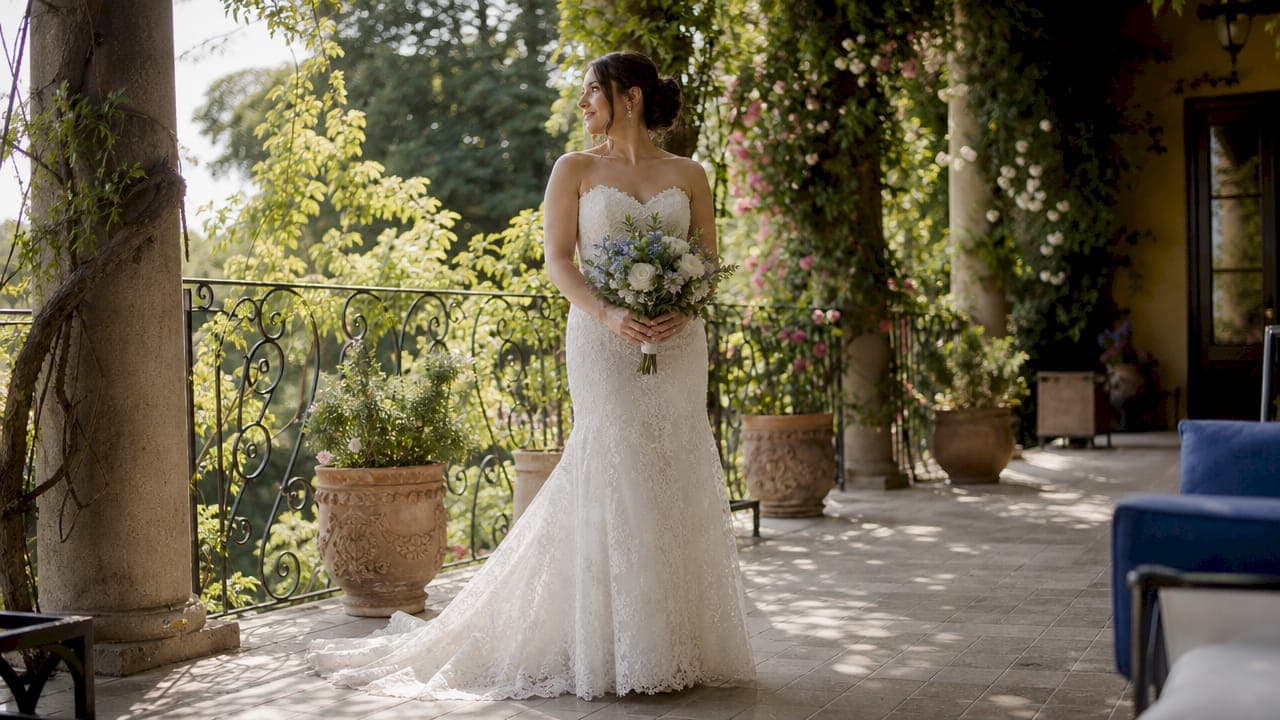
Poses for bridal portraits are purposeful arrangements that highlight a bride's best features while showcasing her wedding attire in flattering light and natural movement. The industry term for this practice is "bridal portrait posing," and it covers everything from solo full-length frames to large wedding party groupings. A well-planned session incorporates 25–30 deliberate poses across the full wedding day, typically completed in 15–30 minutes. Larsonprophotography builds every session around five core solo frames, smart lighting placement, and simple verbal cues that keep brides relaxed and expressive.
1. What are the best poses for bridal portraits?
The five standard solo bridal poses form the foundation of every strong portrait delivery: full-length, three-quarter, back or half-turn, one movement frame, and one environmental shot. Each frame serves a specific purpose. The full-length shot documents the entire dress. The three-quarter frame draws attention to the bodice and face. The back-turn reveals the train, buttons, or lace detail that took months to choose.
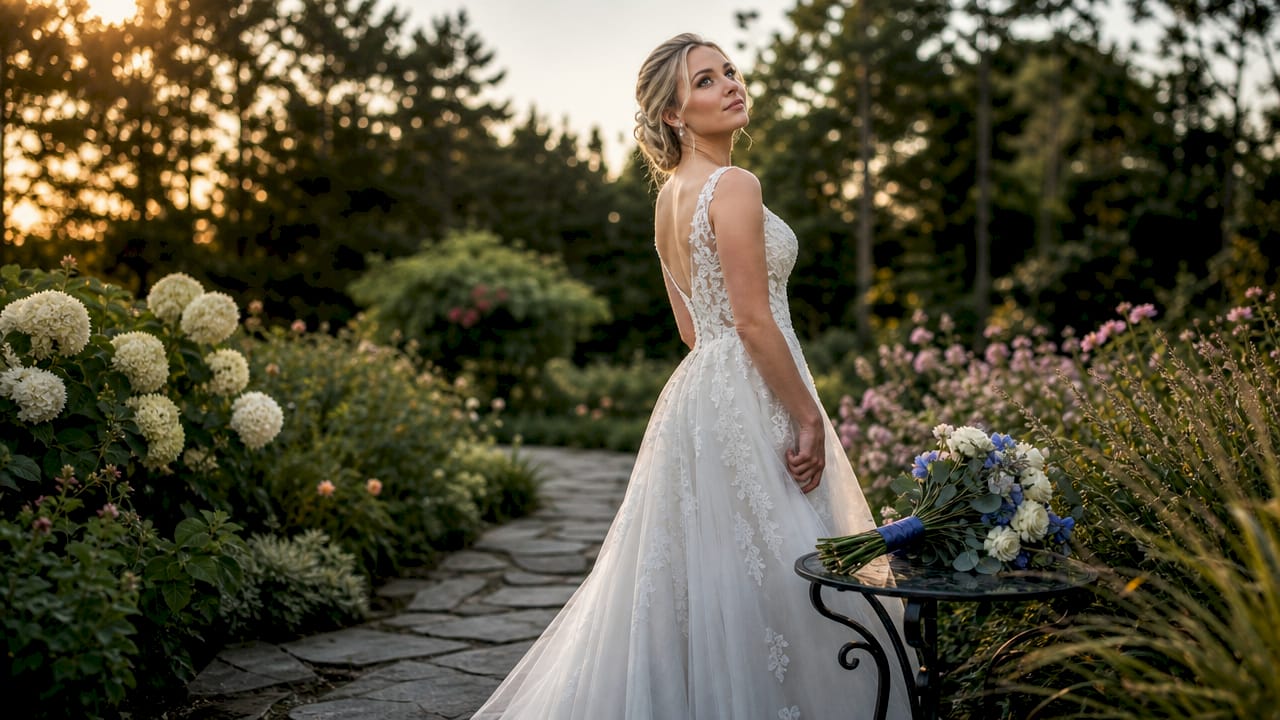
The movement frame and environmental shot are where personality enters the picture. A slow walk toward the camera or a gentle twirl captures the dress in motion and softens the bride's expression naturally. The environmental shot places the bride in context, whether that is a grand staircase, a garden arch, or a sun-drenched window alcove.
Hand placement matters more than most brides expect. Hands resting lightly on the bouquet, waist, or dress fabric look intentional. Hands hanging straight down look forgotten. Eye direction also shifts the mood: looking directly at the lens reads as confident, while a soft downward gaze reads as romantic and introspective.
- Full-length: Documents the complete dress silhouette
- Three-quarter: Emphasizes bodice, face, and bouquet
- Back or half-turn: Reveals train and back detail
- Movement frame: Adds energy and softens expression
- Environmental shot: Grounds the portrait in the wedding venue
Pro Tip: Tell the bride to take a slow breath out and drop her shoulders just before you fire the shutter. That single cue eliminates tension in the neck and jaw in under three seconds.
2. How lighting enhances bridal portrait poses
Lighting is the primary determinant of a successful bridal pose, and it matters more than limb positioning. Window-side light at a 45-degree angle creates three-dimensional depth that flat, on-camera flash cannot replicate. That depth is what separates a portrait that looks editorial from one that looks like a snapshot.
Two lighting directions dominate bridal portrait work: broad lighting and short lighting. Broad lighting illuminates the side of the face closest to the camera, which opens up the face and works well for brides who want a bright, airy look. Short lighting falls on the far side of the face, which slims facial structure and adds drama. Most brides benefit from short lighting for formal portraits and broad lighting for relaxed, lifestyle-style frames.
Natural, soft light near windows produces the most consistent and flattering exposure for dress details and skin tones. Outdoors, open shade under a tree or overhang delivers the same quality of light without harsh shadows. For more on reading and using light on a wedding day, the best light for wedding portraits guide from Larsonprophotography breaks down every scenario by time of day.
| Lighting style | Visual effect | Best use |
|---|---|---|
| Broad lighting | Open, bright, airy | Relaxed lifestyle frames |
| Short lighting | Slimming, dramatic | Formal solo portraits |
| Rim or back lighting | Elegant silhouette | Dress detail and veil shots |
| Window at 45 degrees | Three-dimensional depth | Classic editorial portraits |
Pro Tip: Position the bride so her nose points toward the window. If the shadow on the far cheek disappears entirely, rotate her slightly back toward the light until a small shadow reappears. That shadow is what creates dimension.
3. What are effective poses for large wedding groups?
Group bridal portraits require a different approach than solo work. For groups of 10 or more, the pyramid or tiered arrangement is the most reliable technique. It places taller subjects at the back and shorter subjects at the front, creating clear sightlines to every face. Without height variation, large groups collapse into a flat row that hides faces and flattens the image.
Stairs, benches, and low walls are the photographer's best tools for creating that variation. Using staircases or furniture to stagger heights prevents the "police lineup" look that makes formal group photos feel stiff and institutional. When a venue offers no natural elevation, asking the back row to stand on their toes or step forward on a diagonal achieves a similar effect.
Assigning simple interactions to the wedding party reduces stiffness faster than any pose instruction. Asking bridesmaids to link arms, lean in, or share a laugh produces more authentic expressions than telling everyone to "smile." For a full list of creative approaches, bridal party pose ideas from Cinevisual Studios covers 10 methods that work across different group sizes and venues.
Must-have group shots to include on your shot list:
- Full wedding party, all together
- Bride with bridesmaids only
- Groom with groomsmen only
- Bride and groom with both sets of parents
- Immediate family groupings (each side separately)
- Bride and groom with the full family
Limiting the group photo list to 10–15 groupings keeps the session moving and protects cocktail hour time for guests. A concise list also reduces the mental load on the photographer and the couple, which means better energy and sharper focus on each frame.
4. How to achieve natural and dynamic bridal portraits
Static poses produce stiff portraits. The fix is micro-movement, not complex choreography. Micro-tasks like adjusting the veil or touching the hair soften the bride's posture and produce more natural facial expressions without requiring acting ability. The bride is focused on the task, not on the camera, and that shift in attention reads immediately in the image.
Movement-based poses work because they interrupt self-consciousness. A bride who is walking slowly toward the camera is thinking about her steps, not about how she looks. That mental shift produces the relaxed, genuine expression that static "say cheese" prompts rarely achieve. Movement and natural interaction consistently produce more joyful and authentic portraits than rigid, lined-up groupings.
For outdoor sessions, combining structured poses with spontaneous moments creates a complete gallery. The outdoor wedding photography guide from Larsonprophotography shows how to blend classic framing with natural movement for fresh, editorial results.
Movement pose inspirations to try:
- Slow walk toward the camera, looking down then up
- Full twirl to show the dress in motion
- Veil toss or gentle veil lift by the wind
- Adjusting the bouquet or touching a floral detail
- Candid laughter with a bridesmaid just out of frame
- Looking out a window or over a balcony railing
Pro Tip: Give one clear verbal cue at a time. "Walk slowly toward me and look up when you hear the shutter" produces a better result than a five-step instruction. Simple direction keeps the bride present and relaxed.
5. How to use detail shots to complete the portrait story
Detail shots are not filler. They are the frames that make a bridal portrait gallery feel complete and editorial. The dress, the shoes, the rings, the bouquet, and the veil each tell a part of the story that wide shots cannot capture alone. Shooting these details during natural pauses in the session, such as when the bride is getting a touch-up or transitioning between locations, keeps the timeline tight.
The most effective detail shots use the same light source as the portrait frames. Placing the bouquet or ring near the window that lit the solo portraits creates visual consistency across the gallery. That consistency is what makes a finished album feel intentional rather than assembled from random moments.
Dress details deserve their own dedicated frame. A close-up of lace, buttons, or embroidery shot at a shallow depth of field creates texture and intimacy. These frames pair naturally with the back-turn pose and give the album a layered, magazine-quality feel. For a step-by-step breakdown of how to sequence these frames within a full portrait session, the San Antonio couples guide from Larsonprophotography covers the full workflow.
Key Takeaways
The most effective bridal portrait sessions combine five core solo poses, directional lighting, and micro-movement to produce natural, timeless images in 15–30 minutes.
| Point | Details |
|---|---|
| Five core solo poses | Full-length, three-quarter, back-turn, movement, and environmental frames cover every essential angle. |
| Lighting over limb position | Window light at 45 degrees creates depth and flatters skin tones more than any pose adjustment. |
| Pyramid technique for groups | Tiered height arrangements keep all faces visible and eliminate the flat lineup look. |
| Micro-movement beats static posing | Veil adjustments, slow walks, and simple tasks produce more natural expressions than held poses. |
| Concise shot lists save time | Limiting group photos to 10–15 groupings protects guest time and keeps energy high. |
What I've learned about bridal portrait sessions after years behind the lens
The advice I give every couple before their wedding day is this: the poses matter less than the light and the mood. I have watched technically perfect poses fall flat because the bride was tense, and I have watched imperfect poses produce stunning images because the light was right and the bride was laughing. Lighting is the variable that separates a good portrait from a great one, and it is the first thing I assess when I walk into any venue.
The second thing I have learned is that timeless bridal portraits come from combining classic stable poses with modern dynamic movement. A bride who only holds still looks posed. A bride who only moves looks like a candid. The best galleries contain both, and the transition between the two happens naturally when the photographer gives clear, simple direction and then steps back.
Time management is the skill most couples do not think about until the day itself. Completing essential portraits in 15–30 minutes requires a prioritized shot list, a confident photographer, and a bride who trusts the process. My advice is to share the shot list with your photographer before the wedding day, confirm the five core solo frames are at the top, and then let the session breathe. The best images almost always happen in the moments between the planned poses.
— Todd
Larsonprophotography's approach to bridal portrait sessions
Bridal portrait sessions at Larsonprophotography are built around one principle: every bride deserves images that feel as good as the day itself.
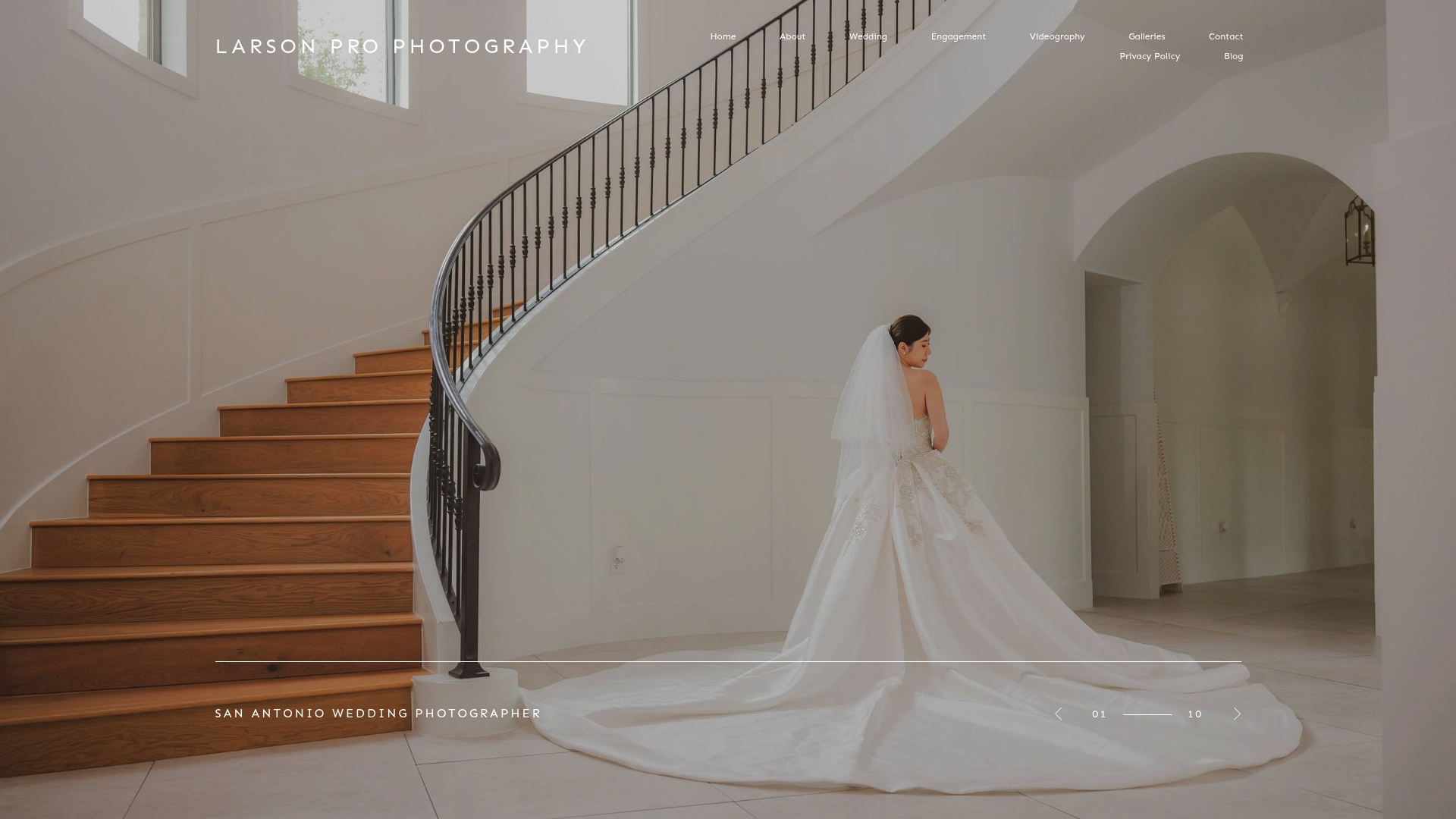
The team at Larsonprophotography specializes in wedding portrait sessions that balance classic posing with natural, candid moments. Every session includes a pre-shoot consultation to confirm the shot list, identify the best light at your venue, and make sure you feel confident before the camera appears. The result is a gallery that covers every essential frame without the rushed, stiff feeling that comes from poor planning. Browse the client portfolio to see how these techniques translate into real wedding day images across San Antonio venues.
FAQ
How many poses should a bridal portrait session include?
A well-planned bridal portrait session covers 25–30 deliberate poses across the full wedding day. Solo portraits, group shots, and detail frames together complete that count in 15–30 minutes.
What is the most flattering lighting for bridal portraits?
Window light at a 45-degree angle is the most flattering setup for bridal portraits. It creates three-dimensional depth and enhances both skin tones and dress details without harsh shadows.
How do you pose a large wedding party without it looking stiff?
Use the pyramid or tiered arrangement and assign simple interactions like linking arms or sharing a laugh. Height variation using stairs or benches keeps all faces visible and eliminates the flat lineup appearance.
What poses work best for showing off a wedding dress?
The back-turn or half-turn pose is the most effective frame for showcasing a dress. It reveals the train, buttons, and back detail while keeping the bride's profile elegant and the composition dynamic.
How do you help a bride relax during a portrait session?
Brief, clear verbal cues work better than complex instructions. Asking the bride to take a slow breath, drop her shoulders, or focus on a simple micro-task like adjusting her veil shifts her attention away from the camera and produces a natural expression.