
Photo session coordination is the process of organizing timing, location, participants, and styling to produce cohesive, memorable images. When you know how to coordinate photo sessions well, the difference shows up in every frame. Rushed starts, clashing outfits, and unclear communication are the three most common reasons sessions fall apart before the first shutter click. This guide walks you through the exact steps that engaged couples, families, and event organizers use to plan sessions that run smoothly and look great from start to finish.
How to coordinate photo sessions: timeline and logistics
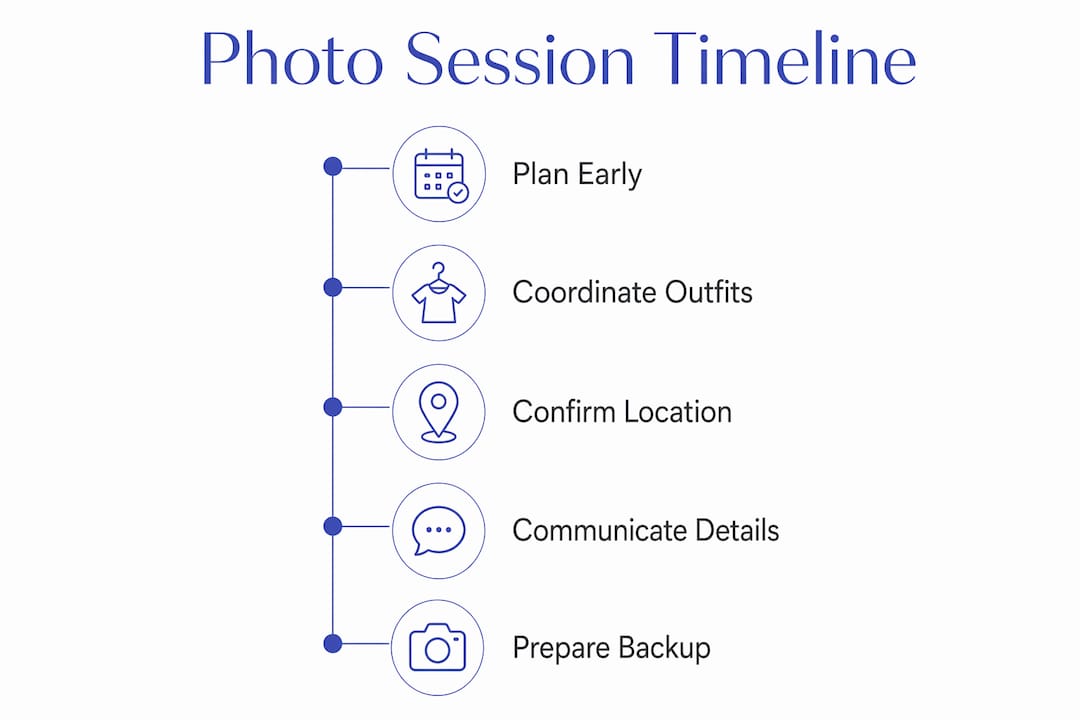
Start planning at least three weeks ahead of your session date. That window gives you enough time to confirm your location, build your color palette, and handle wardrobe without last-minute panic.
A clear timeline makes the difference between a calm session and a chaotic one. Follow this sequence:
- Three weeks out: Lock in your location and confirm a weather backup plan. Choose your color palette and start building outfit ideas around it.
- Two weeks out: Select your anchor outfit, the strongest look in the group, and build every other outfit around it.
- One week out: Do a full outfit try-on. Lay everything out together and check for clashes.
- Two days out: Pack your bag. Include backup outfits, touch-up items, and snacks for children.
- Day of: Arrive 10–15 minutes early to settle in before shooting begins.
Shared tools like Google Calendar, Google Docs, or a group text thread keep everyone aligned on timing and location details. Assign one person to own the schedule and send reminders. Without a single point of contact, details fall through the cracks.
Pro Tip: Book your session during golden hour, the 60-minute window after sunrise or before sunset, for soft, flattering natural light that requires no additional equipment.
Common logistical mistakes include choosing locations without parking, skipping a weather backup, and underestimating travel time between spots. Scout your location in advance, even with a quick Google Maps street view check, to avoid surprises on the day.
What are the best practices for coordinating outfits?
The strongest wardrobe strategy for any photo session is to coordinate, not match. Identical outfits flatten a group photo and make it look like a uniform lineup. Instead, build a palette of 3–4 complementary colors and let each person express their personality within that range.
Here are the core rules for outfit coordination:
- Anchor first: Pick the most visually interesting outfit in the group, often the one with the most color or texture, and build every other look around it.
- Limit patterns: Allow one or two people to wear patterns while everyone else wears solids pulled from the pattern's colors.
- Layer textures: Denim, linen, knit, and cotton all photograph differently. Mixing textures adds depth without adding competing colors.
- Avoid logos and graphics: Text and brand marks distract the eye and date photos quickly.
- Match the setting: Earth tones work well in natural outdoor settings. Jewel tones photograph beautifully in urban or indoor environments.
Pro Tip: Lay all outfits flat on a bed and photograph them together before the session day. That single photo will reveal color clashes and gaps that are impossible to spot when pieces hang separately in a closet.
Comfort matters as much as color. Dressing for movement produces more natural, timeless photos because participants can sit, walk, and interact without stiffness. A stiff fabric or tight fit shows up in posture and expression. Choose clothes you can move in freely.
| Wardrobe choice | Result in photos |
|---|---|
| Matching outfits | Uniform, flat, dated look |
| 3–4 coordinated colors | Cohesive, natural, visually interesting |
| Heavy patterns for everyone | Busy, distracting, hard to edit |
| One pattern, rest in solids | Balanced depth and visual interest |
| Stiff or restrictive clothing | Tense posture, forced expressions |
| Comfortable, movement-friendly fits | Relaxed, natural, authentic expressions |
Seasonal context shapes outfit choices too. Light fabrics and pastels work well in spring and summer sessions. Richer tones and layered pieces suit fall and winter light. Matching your palette to the season keeps photos from looking out of place years later.
How do you organize participants for a smooth session?
Clear communication before the session eliminates most of the confusion that happens on the day. The single most effective step is assigning a session leader, one person who collects information, relays instructions, and answers questions for the whole group. For family sessions, this is usually a parent or the person who booked the shoot. For event sessions, it is the event coordinator.
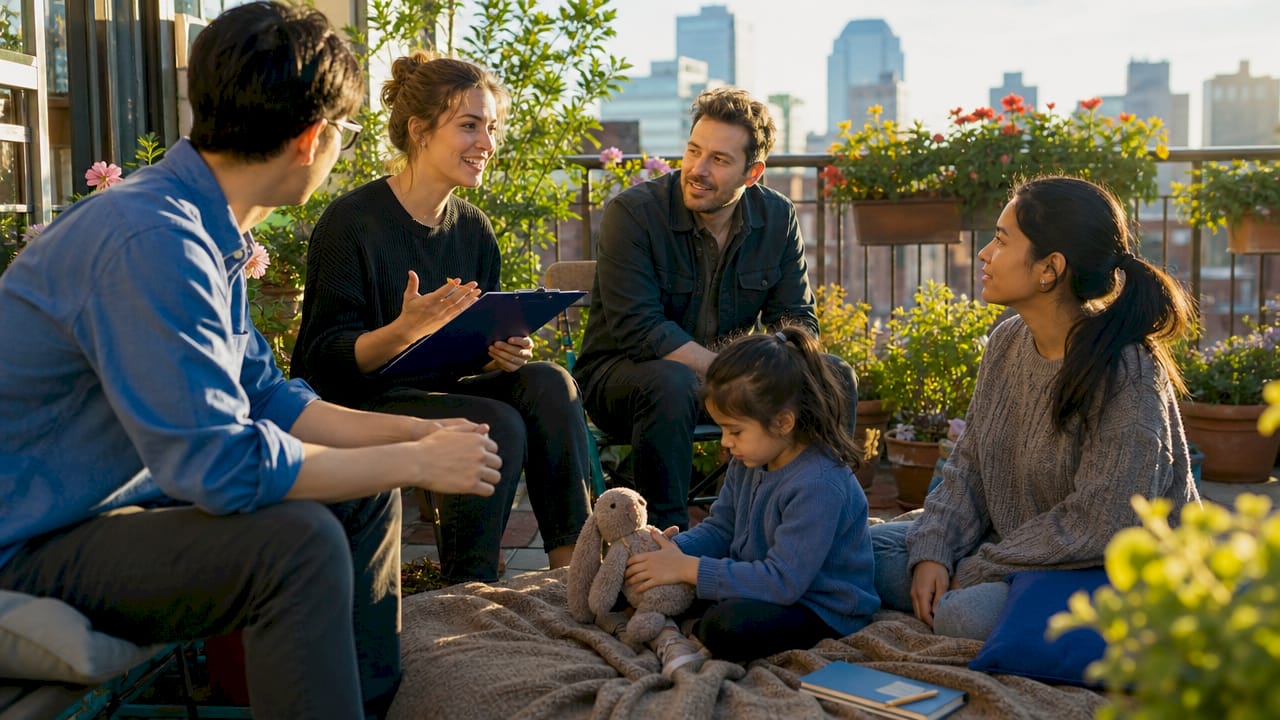
Pre-session questionnaires are the tool that separates good sessions from great ones. Photographers like Jeri Marlow and Corey Nimmer use questionnaires to capture personality details, comfort levels, and group dynamics before anyone arrives on location. That information shapes how the photographer directs the session and which shots to prioritize.
Before the session, communicate these details clearly to every participant:
- Exact arrival time, not just the session start time
- Outfit guidelines and the color palette you have chosen
- What to expect during the shoot, including how long it will last
- Any special considerations, such as a child-led approach for sessions with young kids
Groups with children benefit from a flexible, child-led approach. Forcing a rigid shot list with toddlers or young children almost always produces stiff, unhappy images. A skilled photographer reads the child's energy and works with it. Your job as the organizer is to communicate that approach to other adults in the group so no one tries to force poses.
Send a reminder message or email 48 hours before the session. Include the location address, parking instructions, arrival time, and a final outfit reminder. That single message prevents the most common day-of questions.
What should you do when things go wrong on the day?
Even well-planned sessions hit unexpected problems. Late arrivals, wardrobe malfunctions, and mood shifts are predictable enough that you can prepare for all of them in advance.
Build 10–15 minutes of buffer time into your arrival plan. That window lets participants use restrooms, do touch-ups, and shift from travel mode into a relaxed state. Sessions that start rushed produce tense early shots that often get cut from the final gallery.
Pack a session kit and bring it to every shoot:
- Snacks and water: Critical for children and long sessions. Hunger kills energy and patience fast.
- Wipes and a small first aid kit: Grass stains, sticky fingers, and minor scrapes happen.
- A backup outfit: One extra option per child, at minimum, handles spills and wardrobe failures.
- A steamer or wrinkle spray: Wrinkled clothes photograph badly and are hard to fix in editing.
- Hair and makeup touch-up items: Wind, humidity, and travel undo preparation quickly.
Pro Tip: For sessions with children under five, schedule the shoot during their best time of day, usually mid-morning after breakfast, rather than around nap time or late afternoon when energy crashes.
Flexibility beats rigidity on the day. If a planned location is unavailable or the light shifts unexpectedly, a good photographer adapts. Your role as the organizer is to stay calm and trust the process. Participants mirror the energy of the person in charge. A calm organizer produces a calm group.
Key Takeaways
Coordinating photo sessions requires a three-week planning window, a coordinated color palette, a designated session leader, and built-in buffer time to produce natural, cohesive results.
| Point | Details |
|---|---|
| Start planning early | Begin at least three weeks out to lock in location, palette, and wardrobe without stress. |
| Coordinate, don't match | Use 3–4 complementary colors and limit patterns to one or two people for visual harmony. |
| Assign a session leader | One point of contact reduces confusion and keeps all participants aligned before and during the shoot. |
| Use pre-session questionnaires | Gathering personality and comfort details in advance shapes a more authentic and efficient session. |
| Build in buffer time | Arriving 10–15 minutes early lets participants settle and produces more relaxed, natural expressions. |
What I've learned from years of coordinating sessions
The detail clients overlook most often is the outfit trial run. Photographing your laid-out outfits together before the session day is the single fastest way to catch a color clash or a missing layer. It takes five minutes and saves real grief on the day. I have seen families arrive in outfits that looked fine individually but created a jarring visual mess together. That is entirely preventable.
The second thing I have noticed is that over-planning the shot list backfires. Clients who arrive with a rigid list of 20 specific poses spend the session chasing a checklist instead of being present. The best images almost always come from genuine moments between people, not from a perfectly executed pose. Structure your logistics tightly and leave the creative direction to your photographer.
Comfort in clothing is not a style compromise. It is a photographic necessity. Every time a client chooses a beautiful but stiff outfit, the tension shows up in their shoulders and jaw. The most flattering photos come from people who forgot they were being photographed. That only happens when they are comfortable. Read the engagement session prep guide from Larsonprophotography for specific outfit guidance built around real session experience.
— Todd
Larsonprophotography's approach to session planning
Planning a photo session takes real coordination, and you do not have to figure it out alone.
Larsonprophotography works with engaged couples, families, and event organizers throughout San Antonio to handle the planning details that make sessions run well. From personalized pre-session consultations to wardrobe guidance and timeline building, the team brings structure to every shoot. Whether you are booking an engagement session or planning full wedding photography coverage, Larsonprophotography walks you through every coordination step. Visit the client services page to learn how the team prepares clients for sessions that feel natural, organized, and worth every frame.
FAQ
How far in advance should you plan a photo session?
Start planning at least three weeks before your session date. That window covers location confirmation, wardrobe selection, and a trial outfit run without last-minute stress.
What does "coordinate, don't match" mean for outfits?
It means choosing 3–4 complementary colors across the group rather than identical outfits. This creates visual harmony while letting each person's personality show through.
How do you manage group photo sessions with children?
Assign a session leader, build buffer time into the schedule, and use a child-led approach that works with the child's energy rather than against it. Bring snacks and a backup outfit for every young child.
What should you bring to a photo session?
Pack snacks, water, wipes, a backup outfit, wrinkle spray, and touch-up items for hair and makeup. These basics handle the most common day-of disruptions without derailing the session.
Why do pre-session questionnaires matter?
Questionnaires reveal personality details, comfort levels, and group dynamics that help photographers direct sessions more effectively. They produce more authentic portraits and a more efficient shoot overall.