Whether you need a permit for wedding photos depends on who manages the land, how many people you bring, and whether you're using staged equipment like tripods, lights, or props. City parks, state parks, and federal land each set their own rules, so the single most useful thing you can do right now is identify the land manager and check that agency's permit page before you plan anything else.
TL;DR:
- National Park Service guidance may exempt public area shoots with eight or fewer people, hand carried gear, no exclusive access, and no added park costs.
- Municipal permits often take 7 to 14 days, while National Park Service special use permits commonly need 30 days or longer and may require earlier applications.
- On Bureau of Land Management land, professional wedding portraits can trigger a permit as model use, even when only a small family group attends.
- Name in writing whether the couple or photographer handles the application, and confirm required insurance names the managing agency as an additional insured before booking.
- List the exact guest count, equipment, location, and schedule on the application; added reflectors, extra guests, or moved locations may fall outside permit approval.
Table of Contents
- How to tell whether you need a permit (quick decision flow)
- Typical rules by location type
- Costs, timelines, and common application constraints
- Insurance, permit responsibility, and who signs what
- Step-by-step: how to apply for a wedding or photo permit
- Photographer perspective: on-the-ground tips from Larson Pro Photography
- What matters most when planning permits for wedding photos
- How we help with permits and logistics
- FAQ
- Sources
- Official pages and sample permit forms to consult
How to tell whether you need a permit (quick decision flow)
Start by figuring out who actually controls the ground you want to shoot on. Look for posted signage at the site, search the location's name plus "parks department" or "visitor center," or check the pin on Google Maps, which often names the managing agency directly.
Once you know the manager, three questions tell you almost everything:
- Are you hiring a professional photographer, or is this a friend with a phone?
- Will you use models, staged poses, or props beyond a bouquet and rings?
- Are you bringing equipment past a handheld camera, such as a tripod, reflector, or lighting kit?
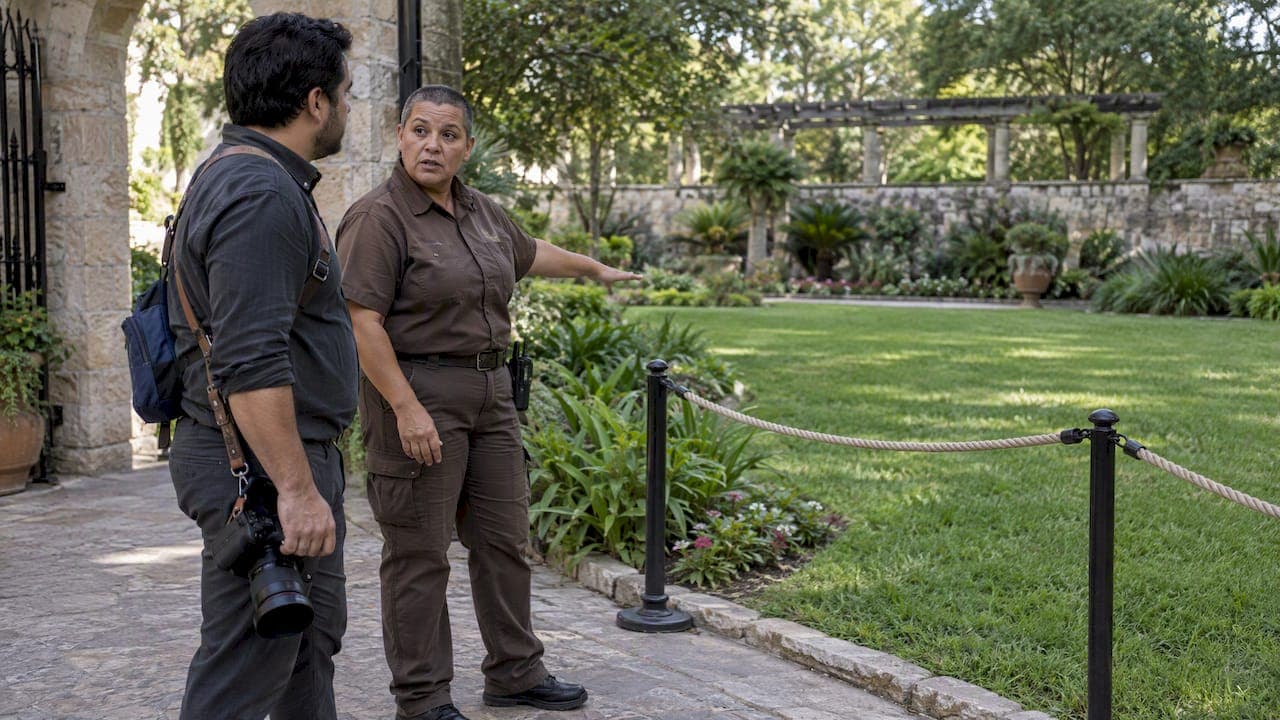
A "yes" to any of these raises your odds of needing paperwork, especially on federal land. The National Park Service's guidance for Cape Hatteras spells this out clearly: still photography typically doesn't require a permit when it happens in areas open to the public, uses only hand-carried equipment, involves eight or fewer people, doesn't require exclusive use of the site, and won't add administrative costs for the park. Add a hired photographer with lighting gear or a larger group with a planned ceremony, and you've likely crossed into permit territory.
Typical rules by location type
The rules shift noticeably depending on whether you're on city, state, federal, or private land.
- City and municipal parks: Many charge hourly fees, sometimes require a Certificate of Insurance, and process applications in 7 to 14 days. Philadelphia Parks & Recreation requires a permit for wedding or professional photos on its property and recommends allowing at least 14 days for approval.
- State parks and historic sites: These often use their own forms and may charge separate vehicle or parking fees. Some, like certain New York sites, still rely on mailed applications and paper payments rather than online portals.
- National Park Service land: Expect a distinction between casual still photography and formal event or commercial-style permitting. Castillo de San Marcos notes that Special Use Permits commonly need 30 or more days to process, far longer than a typical city park.
- BLM land: Special Recreation Permits apply, and BLM policy treats professional wedding portraits as a form of model use that can trigger a photography permit, even for a small family group.
- Private property: Permission comes from the owner or venue, not a government office, though venues often add their own photography fees or restrictions in the rental contract.
Costs, timelines, and common application constraints
Fees and wait times vary enough that guessing is risky. Municipal parks often charge by the hour, while some state historic sites or specialty gardens charge a flat day rate instead.
A Special Use Permit through the National Park Service commonly takes 30 or more days to process, compared with 7 to 14 days for a typical municipal park permit, according to Castillo de San Marcos's permit guidance. Some parks accept applications anywhere from 60 days to a full year in advance, so booking your venue and your permit on the same week is a mistake if a federal site is involved.
Beyond the base fee, expect constraints that shape your actual shoot:
- Maximum shoot durations tied to your paid time block, with overage fees if you run long.
- Non-refundable application fees charged regardless of approval.
- Fixed arrival and departure windows written directly into the permit.
- Cancellation policies that may not refund fees paid for weather changes or date shifts.
Insurance, permit responsibility, and who signs what
A Certificate of Insurance, usually shortened to COI, confirms that a photographer or vendor carries liability coverage, and most agencies want the managing park or city named as an additional insured on that policy rather than just referenced in passing.
Responsibility for applying splits a few different ways depending on the shoot:
- Professional photographers often handle the permit when the shoot is their idea, such as a styled session at a public garden.
- Couples typically handle the permit when the location is tied to their own ceremony plans, like a courthouse lawn or a state park overlook.
- Venues sometimes fold permitting into their own contract when the property is privately managed.
Sample permit terms, including those in New York State's Park Use Application, make clear that a permit isn't valid until fees and any required insurance are received, so a COI promised "later" can stall the whole booking.
Pro Tip: Put a specific date in your contract by which the photographer must confirm COI availability, so nobody discovers a gap three days before the wedding.
Step-by-step: how to apply for a wedding or photo permit
Most applications ask for the same core pieces of information, whether you're filing online, by email, or by mail.
- Fill out the agency's permit form with the exact dates, times, and a clear description or map of the specific location.
- Attach a basic itinerary or schedule showing when the ceremony, portraits, or reception activities will happen.
- List your expected guest count and any staged elements, including a short gear list covering tripods, lighting, and props.
- Include proof of insurance if the agency requires a COI, with the park or city named as additional insured.
- Submit payment through the correct channel, since some agencies use online portals or Pay.gov while others, including certain state parks, only accept mailed checks.
- Wait for confirmation, which typically arrives as an invoice followed by a signed permit PDF once payment clears.
- Print or save the permit and carry it with you during the shoot, since several agencies explicitly require proof of permit on site.
Photographer perspective: on-the-ground tips from Larson Pro Photography
Paperwork matters less than having it with you. We recommend always carrying a printed permit and COI on shoot day, along with digital backups, because a verbal confirmation from an office doesn't help if a park ranger asks for documentation on site.
A few habits reduce friction before the big day:
- Arrive early enough to scout parking, lighting, and backup spots in case your assigned area is occupied.
- List every piece of gear on the application, since tripods, off-camera lighting, and larger props are the items most likely to trigger a permit requirement.
- Build a weather and denial contingency into the shoot plan, including a backup location that doesn't need separate paperwork.
Pro Tip: Attach a short written gear list, even a basic one, to your application. Park offices approve faster when they know exactly what's showing up.
What matters most when planning permits for wedding photos
Most advice on this topic treats permits as a box to check once, early, and then forget. That undersells how much the requirement depends on last-minute details: a borrowed reflector, an extra guest, a last-second move from a public lawn to a roped-off garden. The permit that covered your original plan may not cover the plan you actually execute.

The bigger miss is treating the photographer and the couple as separate parties handling separate paperwork. The strongest approach we've seen puts permit responsibility in writing early, names who confirms the COI and by when, and keeps a backup location in the plan from day one. Couples who wait until the week before to ask "who's handling the permit?" are the ones who end up scrambling.
Prioritize clarity over speed. A permit obtained in a rush, without matching your actual guest list and gear, is barely better than no permit at all.
— Todd
How we help with permits and logistics
Chasing down the right park office, filling out the correct form, and tracking down a COI is time most couples would rather spend on anything else. When you book wedding photography with us, we bring permit-ready insurance documentation and direct experience working with local park offices, so the paperwork side of your shoot doesn't fall entirely on you.
We also handle on-site coordination and scouting, which can help at locations with tight time windows or shared public access. If your day includes both photos and video, our videography services carry the same permit-readiness, since combined photo and video setups more often draw attention from site managers. Reach out through our site to check availability and start a permit-inclusive booking for your wedding or engagement session.
FAQ
Do I need a license to be a wedding photographer?
Most states don't require a specific license to work as a wedding photographer, though you may need a general business license depending on where you operate. Licensing is separate from location permits, which are tied to the property you're shooting on rather than your qualifications; our guide to photography licensing breaks down that distinction further.
Do I need a permit for wedding photos in my own backyard?
No, private property you own or have permission to use generally doesn't require a government permit, since permits apply to publicly managed land like city, state, or federal parks. If you're renting a private venue instead, check that venue's own contract for photography restrictions or added fees.
What's the difference between a ceremony permit and a photography permit?
A ceremony permit covers hosting the wedding itself, including seating and guest gathering, while a photography permit covers the act of taking professional or staged photos, sometimes on a different schedule than the ceremony. Some locations require both, especially when photos happen before or after the main event at a separate spot on the property.
When can I skip a permit entirely?
You can often skip a permit when you're in an area open to the public, using only hand-carried equipment, shooting with eight or fewer people, and not requiring exclusive use of the space, based on NPS still-photography guidance. Add a tripod, lighting setup, or a larger group, and that exemption usually disappears.
What happens if I shoot without a required permit?
Consequences vary by agency but commonly include being asked to stop shooting on site, fines, or being barred from future bookings at that location. Federal and state agencies tend to enforce this more consistently than city parks, so it's worth confirming requirements before you show up with gear.
Sources
- BLM film & photography permit guidance (regional page)
- Castillo de San Marcos / NPS permit guidance (SUP and processing times)
- Cape Hatteras National Seashore - permits and reservations (NPS still photography guidance)
- City of Philadelphia - Get a wedding ceremony or wedding photo permit
- 2026 Park Use Application (New York State Parks) - sample permit form and conditions
Official pages and sample permit forms to consult
Before applying anywhere, check the BLM's photography permit guidance for federal land rules, review NPS wedding photo location guidance for application forms and fees, and look at your city's own permit page, such as Philadelphia's, for a concrete example of municipal requirements.