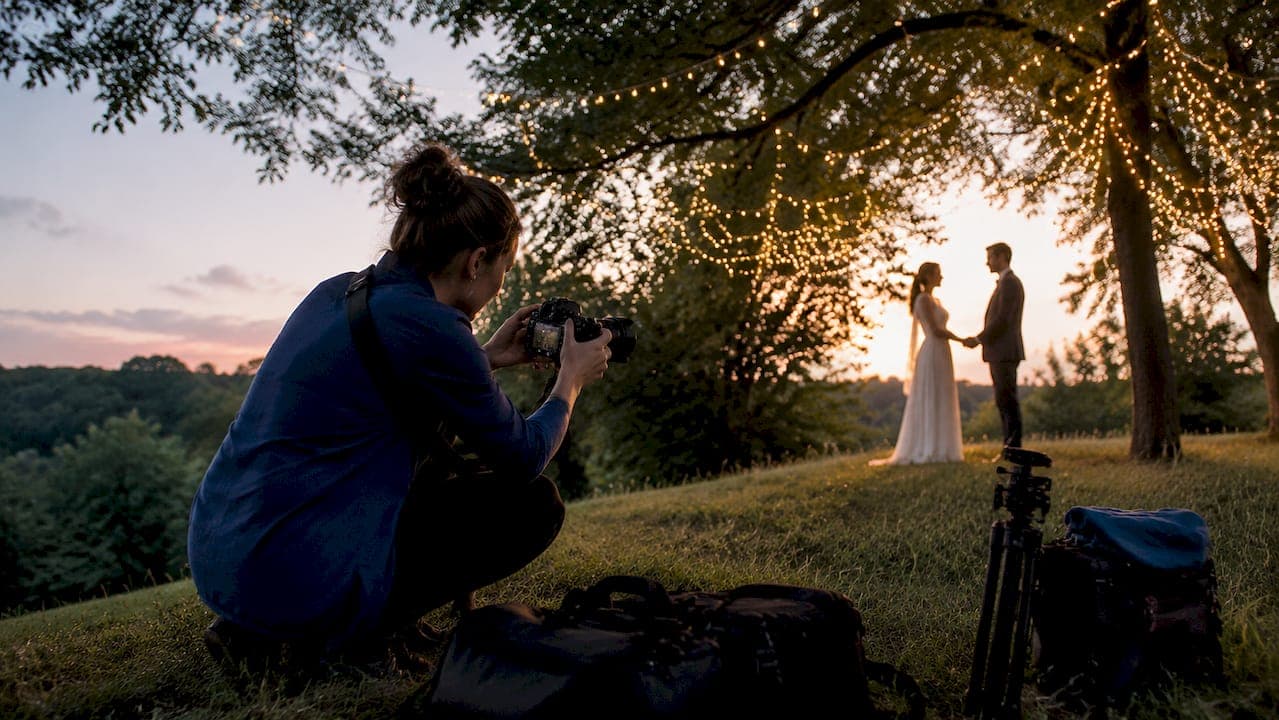
Composition in wedding photography is defined as the deliberate arrangement of visual elements within the frame to guide the viewer's eye, create emotional resonance, and tell a story that no camera specification alone can produce. The role of composition in wedding photos goes far beyond pointing and shooting. It is the difference between an image that makes someone cry and one they scroll past. Techniques like the Rule of Thirds, leading lines, and layering are the real tools of a professional photographer. Larsonprophotography builds every wedding gallery around these principles, treating composition as the foundation of every shot.
What essential composition techniques elevate wedding photos?
Composition techniques for wedding photography transform flat, two-dimensional scenes into three-dimensional visual stories. The right technique applied at the right moment turns a simple portrait into a memory that lasts a lifetime.
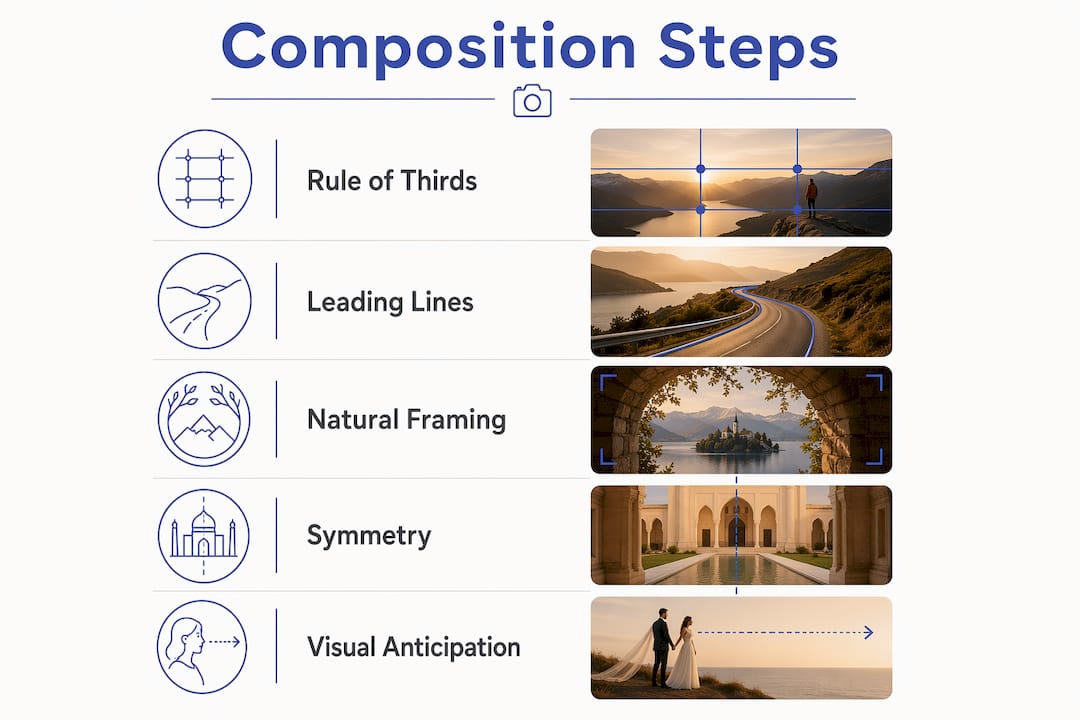
The most widely used framework is the Rule of Thirds. Place your subject at one of the four intersection points of a 3x3 grid, and the image immediately feels more dynamic than a centered shot. Centering a couple works for symmetrical venues, but off-center placement creates visual tension that pulls the viewer deeper into the frame.
Leading lines are one of the most powerful tools in any wedding setting. A stone pathway, a row of pews, a staircase railing, or a line of guests all naturally draw the eye toward the couple. Venue architecture is a gift to any photographer who knows how to read it.
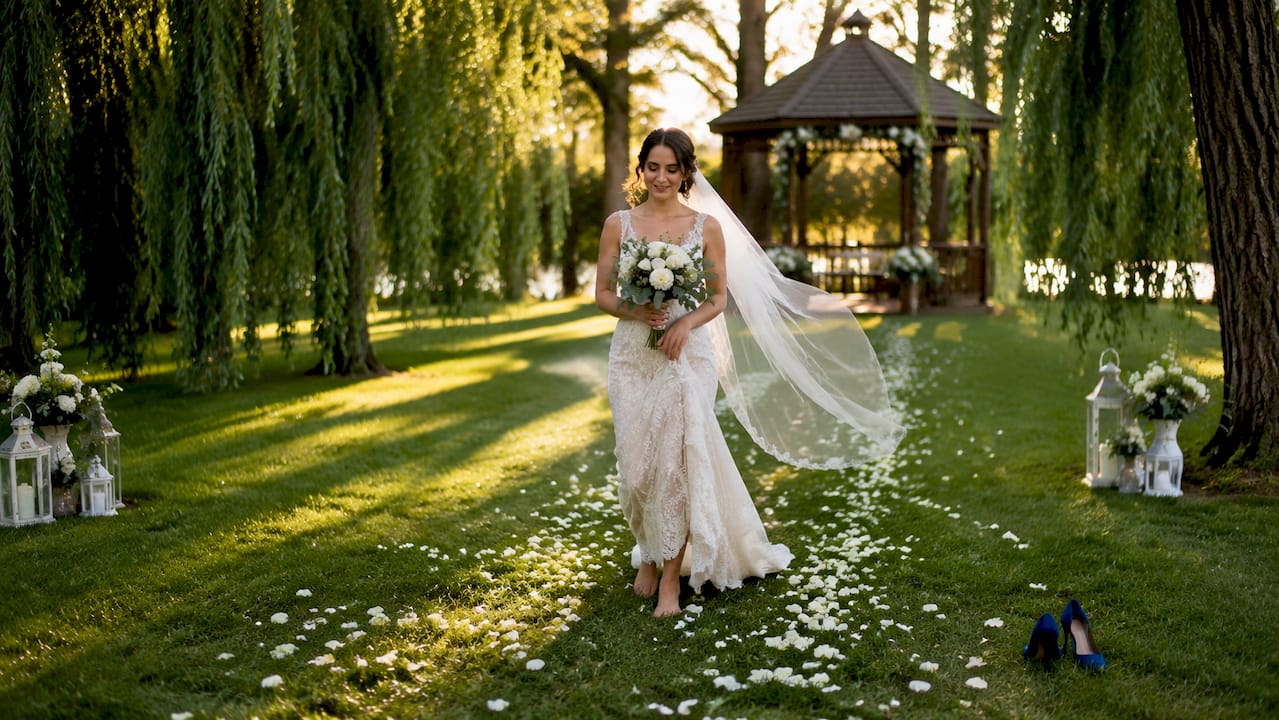
Natural framing uses the environment itself as a border. An arched doorway, a canopy of trees, a window frame, or a cluster of hanging florals can wrap around the couple and isolate them from background distractions. For outdoor settings, this technique is especially effective. Larsonprophotography's approach to outdoor framing opportunities consistently produces images with a sense of depth that indoor shots can struggle to match.
Here are the core techniques every wedding photographer should master:
- Rule of Thirds: Place subjects at grid intersections for dynamic, emotionally engaging framing.
- Leading lines: Use architectural and natural lines to direct the viewer's eye to the couple.
- Natural framing: Surround subjects with arches, foliage, or doorways to add depth and focus.
- Layering: Include foreground elements, the subject, and a distinct background to create dimension.
- Negative space: Leave deliberate empty areas around subjects to amplify their emotional presence.
- Reflections: Puddles, mirrors, and glass surfaces create unexpected symmetry and visual interest.
- Patterns and repetition: Rows of chairs, tiled floors, or repeated floral arrangements create rhythm that makes a subject stand out when placed against them.
Pro Tip: Walk the venue at least 30 minutes before guests arrive. Look for natural frames, strong lines, and repeating patterns. Knowing where these exist before the ceremony means you can position yourself to use them without hesitation when the moment comes.
How does composition influence emotional storytelling?
Composition is a cognitive tool that directs the eye through an image, creating a visual journey rather than a static observation. This is why two photos taken at the same moment can produce completely different emotional responses depending on how the frame is constructed.
Line direction alone carries psychological weight. Horizontal lines induce calmness, which is why a couple lying in a field or seated at a long reception table feels serene. Vertical lines create mild physiological arousal, making a couple standing beneath a cathedral ceiling feel powerful and significant. Photographers who understand this can match their framing to the emotional tone of each moment.
Asymmetry and intentional tension are equally powerful. Off-center subjects and contrasting visual elements produce a more emotionally charged image than perfect symmetry. A bride in sharp focus on the left third of the frame, with a blurred groom turning toward her on the right, creates anticipation. That tension tells a story in a single frame.
Blending candid and posed photography within a single composition is another technique that deepens emotional impact. Juxtaposing serenity with lively background celebrations creates compelling narratives. A couple sharing a quiet moment while guests dance behind them captures the full emotional range of a wedding day in one image. For a deeper look at how to balance these styles, Larsonprophotography's guide on blending candid and posed styles breaks down exactly when each approach works best.
Key emotional storytelling techniques include:
- Horizontal framing: Use for calm, intimate moments like vow exchanges or quiet embraces.
- Vertical framing: Use for powerful moments like the first look or walking down the aisle.
- Intentional asymmetry: Place subjects off-center to create tension and visual narrative.
- Foreground storytelling: Include a meaningful detail in the foreground, like a bouquet or a hand, to add context.
- Candid within posed: Frame a posed couple with candid action happening naturally behind them.
Pro Tip: Visual anticipation is the skill that separates good wedding photographers from great ones. Watch for the moment before the moment. The second before a bride laughs, the instant a groom spots his partner walking down the aisle. Position yourself and your composition before it happens, not after.
How can you plan around composition for better wedding photos?
Planning is what makes great composition possible under pressure. A wedding day moves fast, and there is no time to construct a shot from scratch when the moment is already unfolding. The best photographers treat composition planning as seriously as any other part of the day.
Follow this workflow to build composition into your wedding day plan:
- Scout the venue in advance. Identify architectural features, natural frames, strong lines, and open spaces. Note where light falls at different times of day. Venue architecture dictates composition, and tight urban spaces require completely different framing strategies than open outdoor landscapes.
- Schedule 15–30 minute mini-sessions. Dedicated portrait blocks allow you to capture both posed and candid shots with intentional composition, without disrupting the flow of the day. Use this time to work the venue's best compositional features.
- Plan shot variety by category. Divide your shot list into detail shots, environmental portraits, and close-up portraits. Each category requires a different compositional approach. Detail shots benefit from macro framing and visual weight. Environmental portraits need strong leading lines or natural frames. Close-up portraits rely on depth of field and negative space.
- Coordinate with the couple and planner. Share your scouted locations with the couple before the day. When they know where you want them and why, they move with more confidence. That confidence reads in the final image.
- Build in buffer time. Weddings run late. If your best compositional location depends on golden hour light, protect that window in the timeline. Losing it means losing shots that cannot be recreated.
For couples, understanding this planning process helps you ask better questions when interviewing photographers. Ask where they plan to shoot portraits and what compositional approach they use for your specific venue type.
What compositional pitfalls should wedding photographers avoid?
Even experienced photographers fall into predictable traps under the pressure of a fast-moving wedding day. Knowing these pitfalls in advance is the most direct way to avoid them.
- Over-reliance on symmetry. Perfect symmetry feels static. It works for architectural detail shots, but intentional tension through off-center placement creates far more emotional depth in portraits and candid moments. Reserve symmetry for deliberate artistic choices, not as a default.
- Poor horizon placement. A tilted or poorly placed horizon pulls the viewer's attention away from the subject. In outdoor shots especially, check your horizon line before every burst of frames.
- Edge distractions. Telephone poles, stray guests, or cluttered signage appearing at the frame's edge destroy an otherwise strong composition. Train yourself to scan the full frame, not just the subject, before pressing the shutter.
- Background clutter overwhelming subjects. Visual weight determines how strongly any element attracts attention. A bright or busy background competes directly with the couple. Use depth of field, positioning, or natural framing to reduce background visual weight.
- Skipping composition checks during fast sequences. During first dances or ceremony moments, it is easy to focus entirely on timing and forget framing. Build a habit of glancing at your full frame between shots, even during high-energy sequences.
Key takeaways
Composition is the single most important factor in wedding photo quality, and mastering it requires deliberate technique, venue awareness, and emotional intelligence working together.
| Point | Details |
|---|---|
| Composition outweighs gear | Intentional framing distinguishes professional wedding photos from amateur snapshots, regardless of camera specs. |
| Core techniques drive impact | Rule of Thirds, leading lines, natural framing, and layering transform flat scenes into visual stories. |
| Emotional storytelling is intentional | Line direction, asymmetry, and candid-posed blending create emotional depth that viewers feel immediately. |
| Planning protects composition | Venue scouting and scheduled mini-sessions give photographers the time and position to frame shots deliberately. |
| Pitfalls are avoidable | Scanning the full frame, managing visual weight, and avoiding default symmetry prevents the most common compositional errors. |
What i've learned after years behind the lens
The biggest shift in my photography happened when I stopped thinking about composition as a set of rules and started treating it as a way of seeing. The Rule of Thirds is a tool. Leading lines are a tool. But the real skill is walking into a venue and immediately reading it the way a novelist reads a scene.
I have shot weddings in tight San Antonio courtyards where every background was a wall, and I have shot on open Hill Country ranches where the horizon stretched for miles. The compositional approach for each is completely different. In tight spaces, I rely heavily on natural framing and layering to create depth where there is none. In open spaces, I use negative space and leading lines to make the couple feel both intimate and expansive at the same time.
What I tell every couple I work with is this: the best wedding photos are not accidents. They come from a photographer who arrived early, walked the space, and already knew exactly where to stand when the moment happened. Visual anticipation is not a talent you are born with. It is a discipline you build through deliberate practice and genuine curiosity about every space you work in.
The photographers who struggle with composition are usually the ones who are thinking about their camera settings when they should be thinking about their frame. Get the frame right first. The technical settings follow.
— Todd
See what intentional composition looks like in practice
Understanding composition theory is one thing. Seeing it applied across a full wedding gallery is another.
Larsonprophotography brings every technique covered in this article to every wedding we photograph in San Antonio and beyond. From venue scouting to scheduled portrait sessions, our approach is built around deliberate framing and emotional storytelling. If you want to see how composition shapes a complete wedding gallery, explore our client portfolio and see the difference intentional framing makes from ceremony to reception. Couples planning engagement sessions can also see how our engagement photography applies these same compositional principles to couple portraits before the big day.
FAQ
What is the role of composition in wedding photos?
Composition is the deliberate arrangement of visual elements within the frame to guide the viewer's eye and create emotional impact. It is the primary factor that separates professional wedding images from ordinary snapshots.
Which composition technique works best for wedding portraits?
The Rule of Thirds and natural framing are the most effective starting points for wedding portraits. Placing subjects at grid intersections and surrounding them with architectural or natural frames adds depth and emotional engagement.
How does composition affect the emotional tone of a wedding photo?
Horizontal lines create calm, intimate feelings, while vertical lines produce a sense of power and significance. Off-center placement and intentional asymmetry generate emotional tension that makes images feel alive rather than static.
How can couples use composition knowledge when hiring a photographer?
Ask photographers where they plan to shoot portraits at your venue and what compositional approach they use for that specific space. A photographer who can answer that question before the wedding day has already done the work that produces great images.
What is the biggest compositional mistake in wedding photography?
Over-relying on symmetry and failing to scan the full frame for edge distractions are the two most common errors. Both produce images that feel flat or cluttered, regardless of how well-timed the moment was.