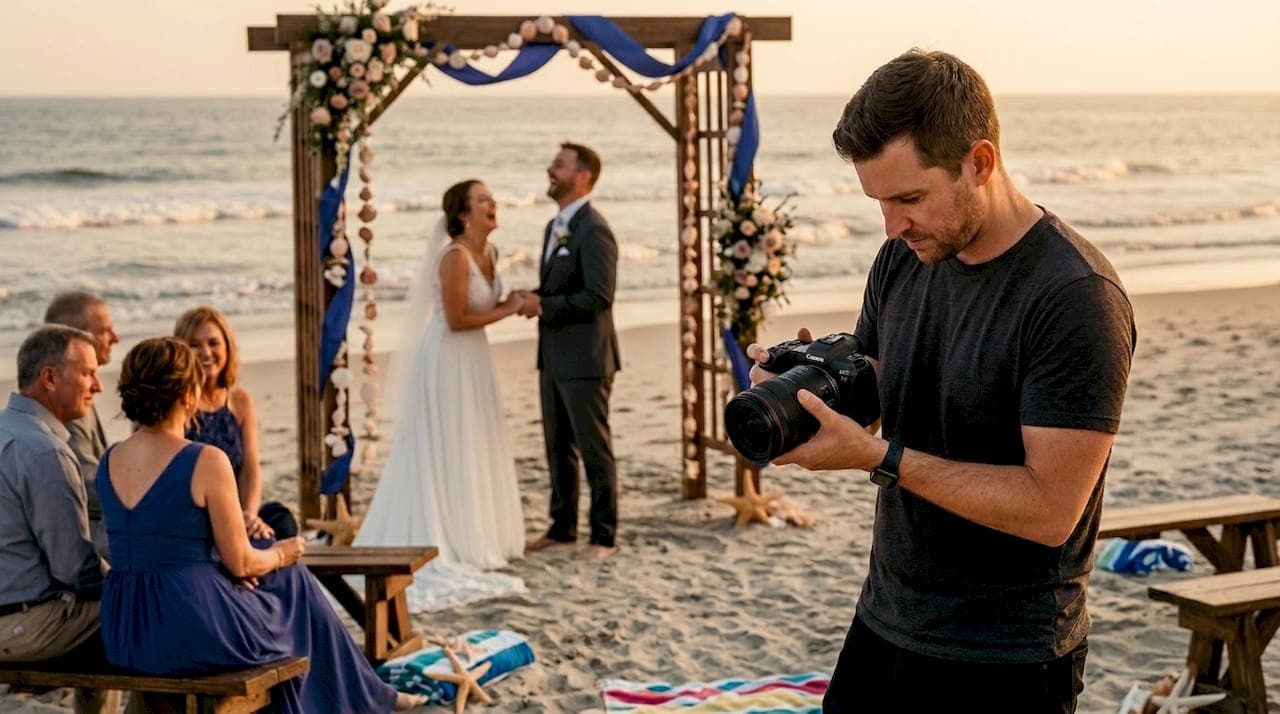
Micro weddings have quietly become one of the most significant shifts in how couples tie the knot, and the photography that captures them deserves just as much attention. Search interest in micro weddings surged over 1,300% as of early 2026, and with that surge comes a real need for explaining micro wedding photography as its own craft. Many couples assume that fewer guests means less to photograph, or that any wedding photographer will automatically know how to handle an intimate setting. Neither is true. This article breaks down what micro wedding photography actually involves, how the style differs from traditional coverage, what it costs, and how to plan it well.
Table of Contents
- Key takeaways
- What micro wedding photography actually means
- Photography styles that suit intimate weddings
- Cost expectations for micro wedding photography
- Planning and logistics for micro wedding photography
- The real benefits of professional micro wedding photography
- My honest take on micro wedding photography
- Work with Larsonprophotography on your micro wedding
- FAQ
Key takeaways
| Point | Details |
|---|---|
| Micro weddings are full weddings | Up to 50 guests with ceremony, reception, and all traditional elements still intact. |
| Photography costs stay similar | Photographer fees are fixed, not tied to guest count, so expect similar pricing to traditional weddings. |
| Style shifts toward candid storytelling | Intimate settings call for agile, moment-driven photography over rigid, posed shot lists. |
| Budget can shift to quality | Money saved on catering and venue can fund a premium photography package worth every dollar. |
| Book early despite smaller scale | Many couples plan micro weddings in 3 to 6 months, so locking in your photographer fast matters. |
What micro wedding photography actually means
Before getting into style or cost, the foundation matters. A micro wedding is not an elopement. Micro weddings remain full weddings with ceremony, reception, a meal, decorations, entertainment, and formal attire. The only real difference is scale. The guest list stays at 50 or fewer, which creates a more intentional, curated event rather than a reduced one.
That distinction has direct consequences for photography. When you compare this to elopement vs. wedding photography, the differences become clear. Elopements often center on two people and a landscape. Micro weddings still involve family dynamics, group moments, and a full event arc. The photographer needs to cover all of that, just within a tighter, more intimate frame.
What changes most is how the photographer moves through the day. Traditional wedding photography often runs on a rigid timeline with long portrait sessions, large group photos, and formal sequences. Micro wedding photography operates with more fluidity. There are fewer guests to wrangle, which sounds easier until you realize that every single person in that room has a face your clients will recognize and a moment they will want remembered.
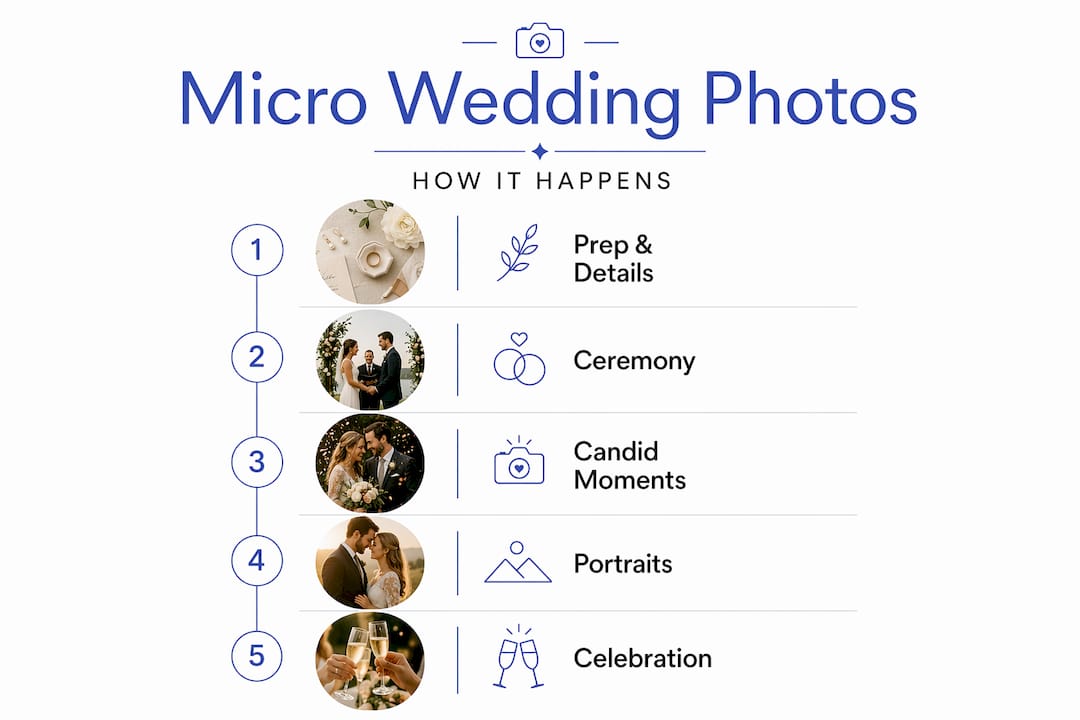
Here is what defines micro wedding photography coverage compared to a traditional shoot:
- Full event coverage from getting-ready shots through reception, adapted to a compressed timeline
- Smaller group portraits that still require thoughtful composition and lighting
- Greater emphasis on candid, in-between moments at the dinner table or during toasts
- Closer access to emotional reactions since guests are few and the atmosphere is personal
- More flexibility for creative, artistic shots because the schedule is not overwhelmed by large-scale logistics
Photography styles that suit intimate weddings
The style of photography that works best at a micro wedding looks different from what dominates a 200-person ballroom reception. Photographers need agility to capture spontaneous moments rather than working from a rigid shot list. That shift is not just a trend. It reflects what couples at intimate weddings actually want from their photos.
In 2026, the dominant micro wedding photography styles lean toward natural light, documentary-style capture, and a strong emphasis on storytelling. The visual goal is less "wedding magazine spread" and more "this is exactly what that day felt like." You want to look at those photos in 20 years and feel something, not just see something.
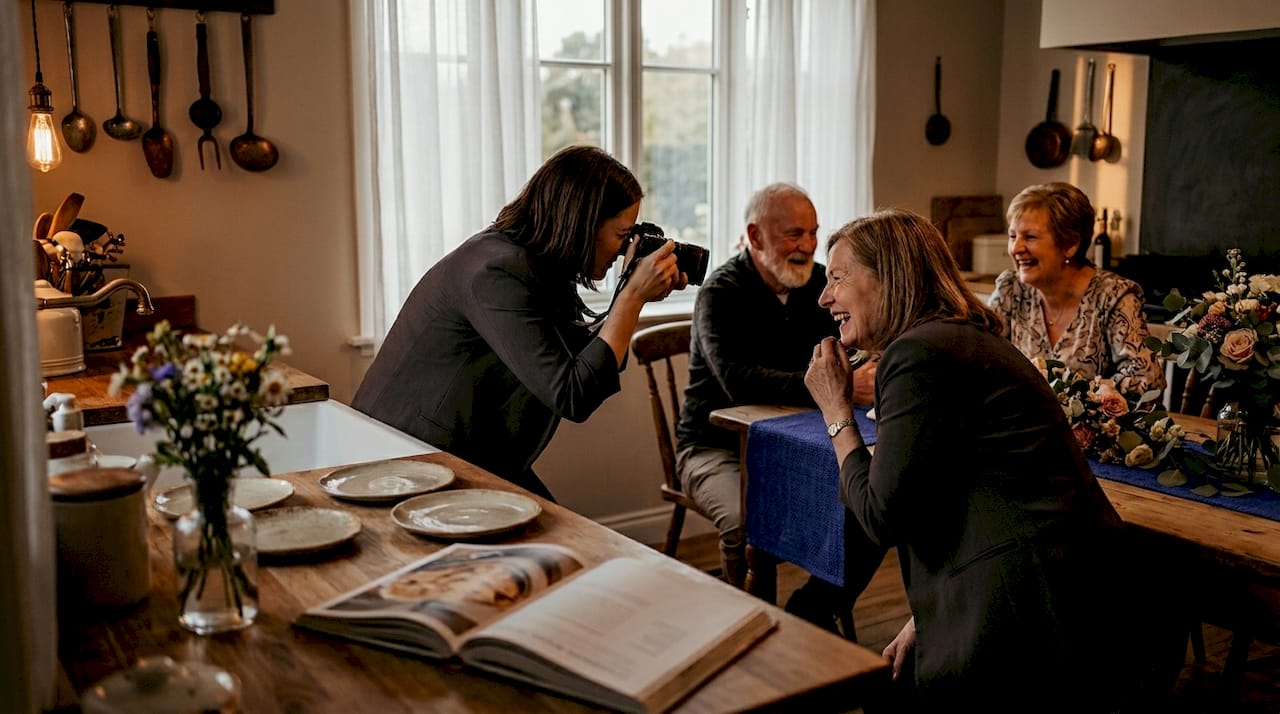
Unplugged ceremonies have become especially common at micro weddings, which creates a cleaner, phone-free visual environment. No sea of devices blocking faces. No guests distracted by their own screens. The result is cleaner compositions and more genuine expressions in every frame.
Pro Tip: Ask your photographer specifically about their approach to candid coverage before booking. Request sample galleries from past micro weddings, not just larger events. The skill sets are genuinely different.
Popular micro wedding photography styles to look for include:
- Documentary or photojournalistic style for unposed, story-driven images throughout the day
- Fine art film-inspired editing for a timeless, slightly muted aesthetic that ages beautifully
- Natural light portraiture that takes advantage of intimate outdoor or boutique venue settings
- Detail-focused storytelling that captures the personalized touches couples invest in at smaller events
The unique backdrops available for micro weddings play a huge role here too. Micro weddings frequently happen in non-traditional venues like private estates, restaurant private rooms, vineyards, or rooftops. These settings reward photographers who can read a space and find the best natural light angles without a technical crew and elaborate setup. Skilled photographers prioritize spontaneous, personal moments over posed portraits, and intimate settings make that approach both possible and powerful.
Cost expectations for micro wedding photography
Here is where a lot of couples get surprised. The assumption that a smaller wedding means a significantly cheaper photography bill is understandable but mostly incorrect. Photography fees are fixed costs that stay roughly the same regardless of guest count. A photographer's hours on your wedding day, their editing time, their equipment, and their creative expertise do not shrink because your guest list does.
What does scale with guest count? Catering, venue capacity fees, florals, favors, and transportation. So when couples cut their guest count from 150 to 30, they free up real money. Couples often redirect those savings into elevated photography, better catering, and personalized experiences rather than just pocketing the difference.
Here is a look at how micro wedding photography packages typically break down:
| Package type | Typical price range | What's included |
|---|---|---|
| Essential (4-5 hours) | $2,000 to $2,800 | Ceremony and portraits, digital gallery |
| Mid-tier (6-7 hours) | $2,800 to $3,600 | Getting ready through reception, edited gallery |
| Premium (8+ hours) | $3,600 to $4,500+ | Full day, second shooter, prints or album option |
Micro wedding photography typically ranges from $2,000 to $4,500 depending on hours, deliverables, photographer experience, and travel. If you are choosing between cutting the photography budget or trimming elsewhere, cut elsewhere. Your photos are the one thing from your wedding day that you will still be looking at in 40 years.
Pro Tip: When comparing packages, pay close attention to the number of edited images delivered, the turnaround time, and whether printing rights are included. These details dramatically affect the actual value of what you are buying.
Planning and logistics for micro wedding photography
Good micro wedding photography does not happen by accident. Because many couples plan micro weddings within just 3 to 6 months, the planning window is tight. That compressed timeline makes early photographer booking non-negotiable.
Here is a practical sequence for getting photography logistics right:
- Book your photographer before most other vendors. Experienced micro wedding photographers get booked quickly, especially during peak wedding season. Lock in your date first.
- Build your shot list around people, not formulas. With 30 guests instead of 150, you can actually get a photo of every meaningful relationship without running a military operation. Identify the must-have moments specific to your day.
- Schedule a venue walkthrough with your photographer. Micro wedding venues are often non-traditional spaces. Walking through the space together lets your photographer scout natural light, identify the best portrait locations, and flag any logistical issues before the day.
- Align your event timeline with photography needs. Work backward from golden hour if outdoor photos matter to you. Make sure the ceremony timing accounts for light quality at your venue.
- Communicate openly about your style preferences. Share inspiration images. Talk about whether you want more candid coverage or a mix with some direction. The more your photographer understands your vision, the more intentional their work will be.
Pro Tip: Do not skip the vendor coordination conversation. Your photographer needs to know when the florist arrives, when the cake is cut, and when toasts are planned. Micro weddings move fast and a photographer caught off guard will miss moments.
Learning how to capture moments like a pro from the couples' side means understanding your own day well enough to stay present while letting your photographer work.
The real benefits of professional micro wedding photography
Photography is not a place to economize in a micro wedding. It is the primary legacy. When the flowers fade, the cake is eaten, and the venue is cleared, what remains is the story those photos tell.
Micro weddings actually enhance the photography experience in ways larger weddings cannot match. With fewer guests, there is more room for your photographer to move, better access to genuine emotional moments, and less logistical noise competing for attention. The dinner table at a 25-person micro wedding is where real laughter, real tears, and real connection happen. A skilled photographer in that room captures something a large wedding photographer circling a packed ballroom simply cannot.
"The intimacy of a micro wedding does not shrink the story. It concentrates it."
That concentration is exactly what makes micro wedding photos so affecting. Investing in professional photography at a micro wedding is not an indulgence. It is the smartest allocation of your event budget because those images carry the full emotional weight of the day for every person who could not be there and for every year that comes after.
My honest take on micro wedding photography
I have shot weddings across a wide range of sizes, and I will tell you directly: micro weddings are not easier to photograph. They are different, and that difference catches unprepared photographers completely off guard.
The biggest mistake I have seen is photographers treating a micro wedding like a scaled-down traditional wedding. They show up with the same rigid timeline and the same formulaic shot list and they miss everything that actually makes a small wedding extraordinary. The unexpected moment when a grandmother laughs so hard she cries. The quiet exchange between the couple during dinner. The toast that goes sideways in the best possible way.
What I have learned is that fluid, observational photography produces the most powerful micro wedding galleries. You stay ready. You watch the room. You stop directing every frame and start responding to what is actually unfolding in front of you. The couples who trust that process get photos that feel alive. The couples who request a rigid list of 80 posed shots at a 20-person wedding end up with photos that could have been taken anywhere, by anyone.
My advice to any couple planning a micro wedding: find a photographer who is genuinely excited about the format, not one who just agrees to do it. The difference shows in every single frame.
— Todd
Work with Larsonprophotography on your micro wedding
If you are planning an intimate wedding in the San Antonio area and want photography that actually captures what the day feels like, Larsonprophotography specializes in exactly this kind of work.
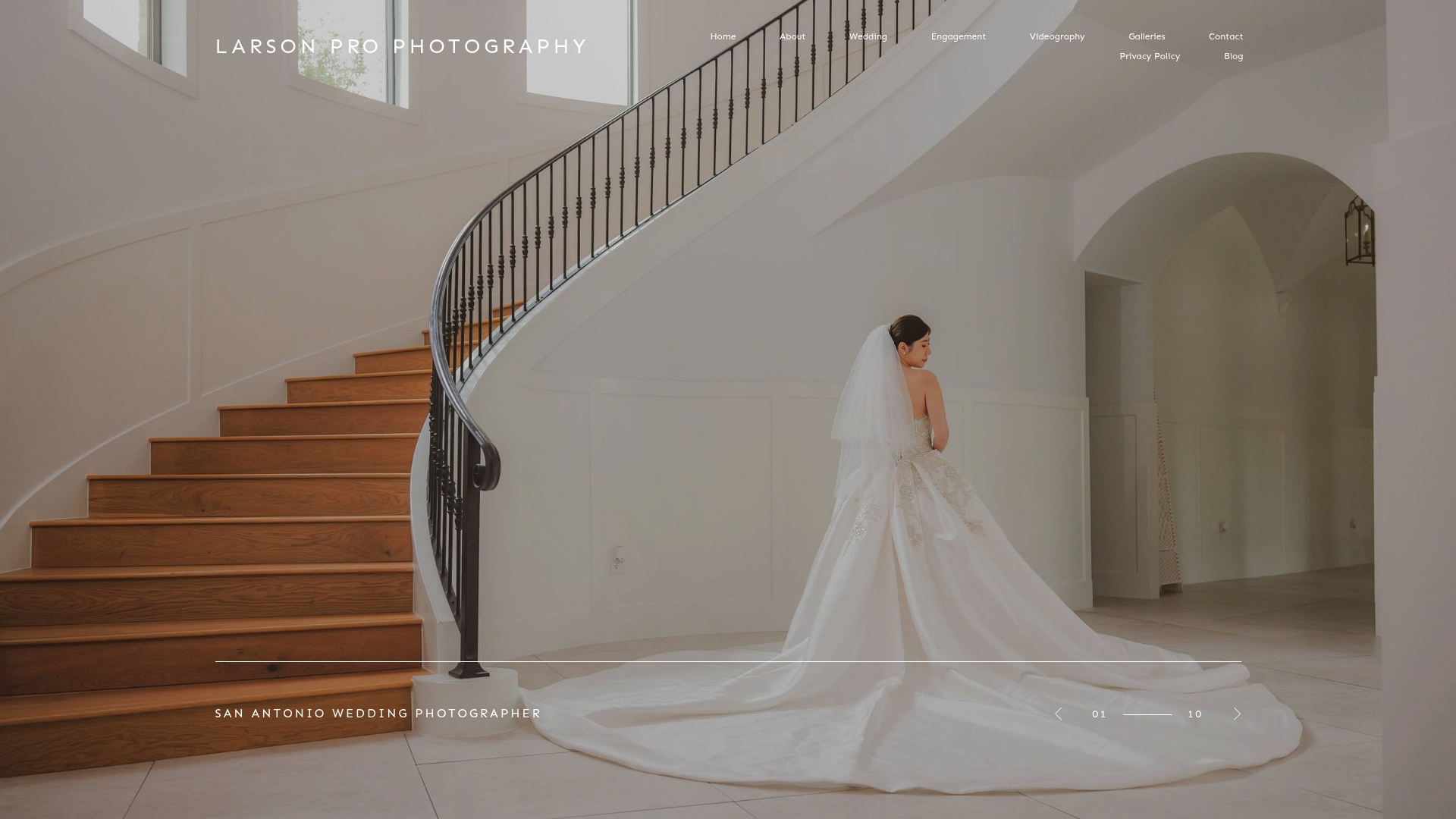
Larsonprophotography offers tailored wedding photography packages built for couples who want something personal, not a cookie-cutter approach. The focus is on artistic storytelling, genuine moments, and images you will return to for decades. Browse the portfolio, explore client experiences, and reach out to discuss your date and vision. Micro weddings deserve full creative investment, and that is exactly what Larsonprophotography brings to every intimate celebration.
FAQ
What is micro wedding photography?
Micro wedding photography covers all aspects of a small, intimate wedding with 50 or fewer guests, including ceremony, portraits, reception, and candid moments. It differs from elopement photography in that the full wedding event structure is still present.
How much do micro wedding photography packages cost?
Micro wedding photography packages typically range from $2,000 to $4,500 depending on hours, photographer experience, and deliverables. Fixed photographer fees stay similar to traditional wedding costs regardless of guest count.
What photography style works best for micro weddings?
Documentary and candid-style photography works best for micro weddings, emphasizing genuine moments and storytelling over rigid posed shots. Natural lighting and fine art editing approaches are also popular in 2026.
How early should you book a micro wedding photographer?
Book your photographer as early as possible, ideally before other vendors, since many micro weddings are planned in 3 to 6 months. Experienced photographers in this niche fill their calendars quickly.
Are micro weddings and elopements the same thing?
No. Micro weddings retain all traditional wedding elements including ceremony, reception, and formal attire, just with a smaller guest list of 50 or fewer. Elopements typically involve only the couple with no traditional event structure.