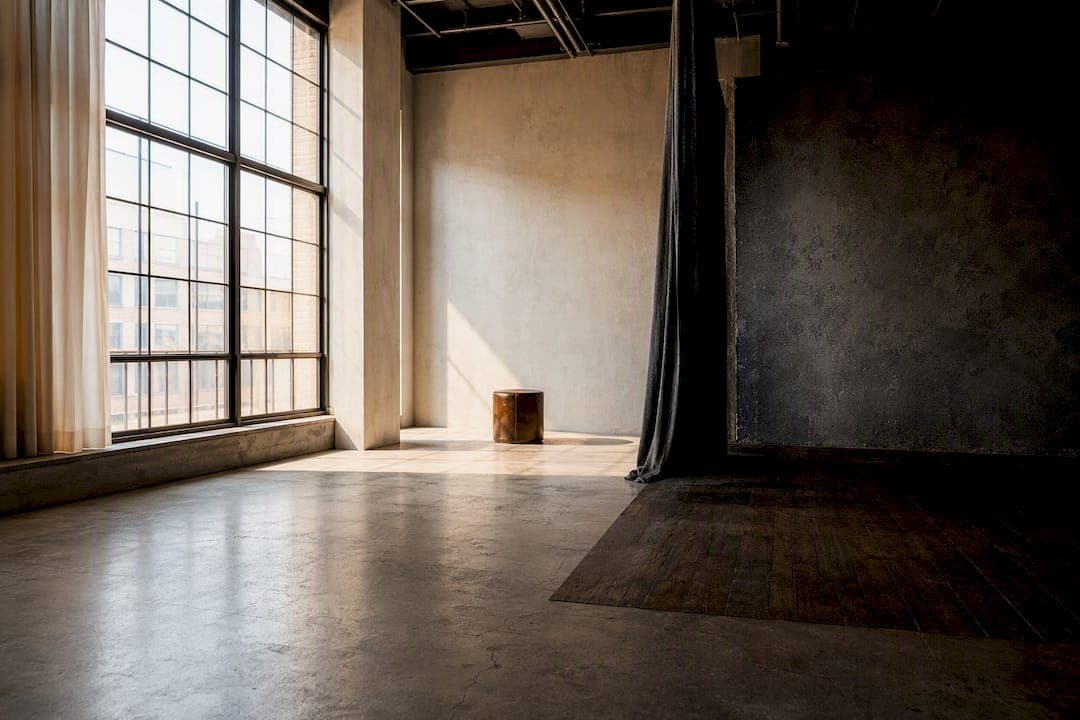
San Antonio's best indoor photo locations split into four categories: dedicated studios like R Photo Studio for daylight portraits, white-loft spaces like The Lumen Room for clean editorial work, cyclorama stages for product and video, and historic or cultural venues for editorial character. Marketplaces like Peerspace and Giggster list dozens more, from downtown mansions to Hill Country cabins. Start with the shortlist below, then confirm permits, insurance, and load-in details before booking, as these vary by venue and are important to check.
TL;DR:
- Indoor studio rates generally range from $65 to $250 per hour, with higher costs at unique or historic venues and additional fees for cleaning, overtime, or permits.
- Natural daylight studios work best for portraits and lifestyle shoots, while cyclorama and white-loft spaces suit product, fashion, or editorial work requiring control and minimal shadows.
- Verify light, ceiling height, background options, power availability, and noise levels when scouting venues to match the shoot's technical needs, not just aesthetics.
- Public and cultural venues often require advance permits, insurance, and scaled-down equipment, with restrictions on lighting and tripods to protect artworks.
- Booking strategies include asking for included props and lighting, requesting floor plans, confirming load-in details, and scheduling during optimal natural light hours for the space.
Table of Contents
- Curated Shortlist: Top Rentable Indoor Locations In San Antonio
- How Do You Choose And Book The Right Indoor Location?
- Working With Public And Cultural Indoor Venues
- Which Studio Features Actually Matter For Your Shoot?
- What Do Indoor Photo Locations Cost In San Antonio?
- A Local Photographer's Checklist For San Antonio Studios
- Scouting Indoor Locations: A Photographer's Take
- Book A San Antonio Photographer Who Already Knows These Rooms
- Sources
Curated Shortlist: Top Rentable Indoor Locations In San Antonio
San Antonio's rental scene covers everything from clerestory-lit daylight studios to speakeasy basements, and picking the right one comes down to matching the room's light and layout to your shot list. Some of these book direct, some come through Peerspace or Giggster, and knowing which is which saves you a round of emails.
R Photo Studio. Best for portrait and small commercial work that needs consistent, flattering light without a lighting kit. The standout feature is a clerestory window system that floods the space with soft, even daylight rather than the harsh directional light you get from standard windows. It comes with seamless backdrops and curated mid-century props, and functions as a dedicated meeting and shoot space for photographers running back-to-back sessions. Pricing runs on an hourly studio-rental model, capacity typically fits solo photographers or two-person teams comfortably, and the direct booking process means you can usually lock in a date without waiting on a marketplace host to respond.
The Lumen Room. Best for editorial, product, and minimalist portrait sessions that need a true white-box aesthetic. Large windows and an all-white interior make it one of the few white-loft photoshoot spaces in the city built specifically for that look, and the clean walls double as a natural reflector for softer shadows. Booking happens directly through the studio's reservation system, capacity suits small crews of two to four, and the biggest booking tip is to request a morning slot if you want maximum window light before the sun moves overhead.
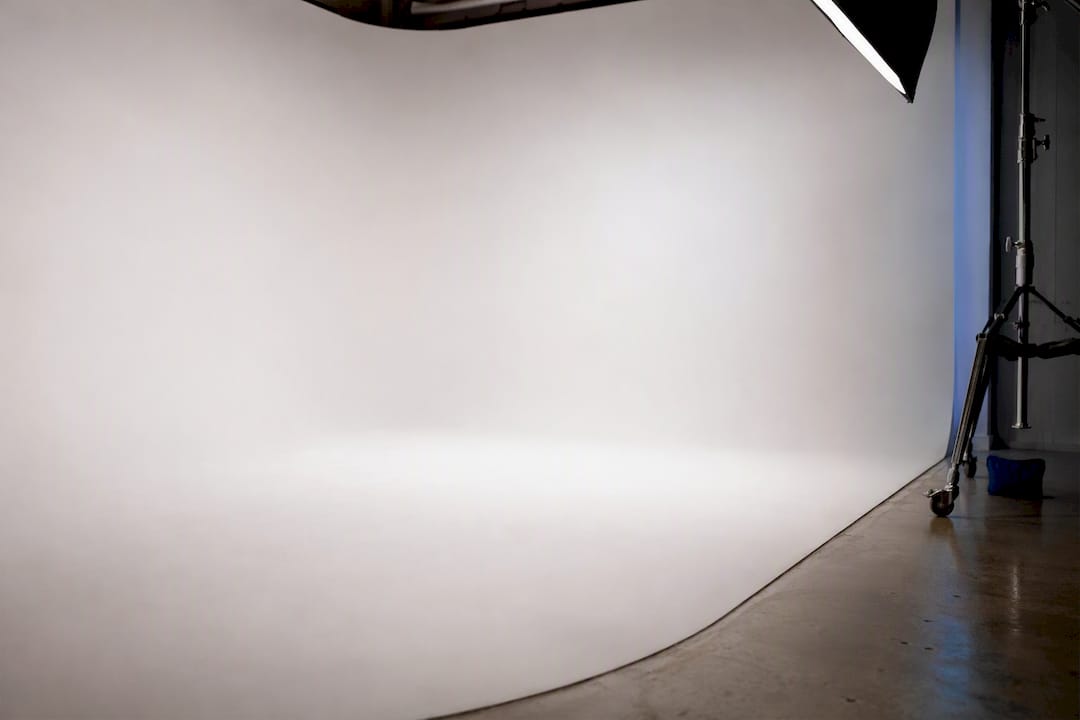
800 Sq Ft Cyclorama Stage (San Antonio). Best for product photography, fashion lookbooks, and video work that needs a seamless floor-to-wall curve with no visible corners. The standout feature is the sweep itself, engineered for continuous backdrops in stills or motion. These list through Peerspace or Giggster with hourly rates that scale by crew size, capacity generally handles small production teams of four to six, and you should confirm floor finish and cleaning requirements before bringing in wheeled equipment.
Funky NYC-Inspired Loft (Southside, San Antonio). Best for editorial fashion, music promo shots, and content that wants exposed brick and industrial texture without leaving the city. The standout feature is its urban, gritty aesthetic that reads more like a Brooklyn walk-up than a Texas rental. It books through marketplace platforms, fits small crews, and hosts often require a security deposit given the exposed finishes.
Downtown Mansion with Colorful Kitchen and Basement Speakeasy. Best for lifestyle brand shoots, music videos, and multi-set commercial projects that need several distinct backgrounds in one address. The standout feature is the range: a saturated, colorful kitchen upstairs and a moody speakeasy-style basement below, giving two completely different visual moods without a location change. Booking runs through a marketplace listing, capacity handles larger crews given the mansion's square footage, and the key booking tip is to walk both the kitchen and basement virtually first since lighting conditions differ dramatically between floors.
Mod Marvel Downtown Industrial Creative Loft (The Andy). Best for commercial and branding shoots that want a polished industrial look with high ceilings. The standout feature is generous vertical space that gives lighting crews room to work multiple stands without cramping the set. It's a marketplace booking, fits medium-sized crews, and the tip here is to ask about elevator access if you're hauling heavier lighting gear.
Tiny Rustic Luxury Cabin (Wimberley). Best for intimate lifestyle content, small-batch product photography, and cozy editorial work that wants a Hill Country feel without an urban backdrop. The standout feature is the built-in rustic detail, wood interiors and vintage fixtures that need zero styling. It's roughly an hour outside San Antonio, books through a marketplace listing, and fits a photographer plus one or two subjects comfortably.
Stunning Lodge on 10 Acres of Texas Hill Country. Best for larger lifestyle shoots, brand retreats, or editorial spreads that want expansive interior space paired with land access for exteriors. The standout feature is scale, both the lodge's great room and the surrounding acreage give a production team room to set up multiple scenes in one day. Marketplace booking, larger crew capacity, and the practical note is to confirm drive time since it sits well outside the city.
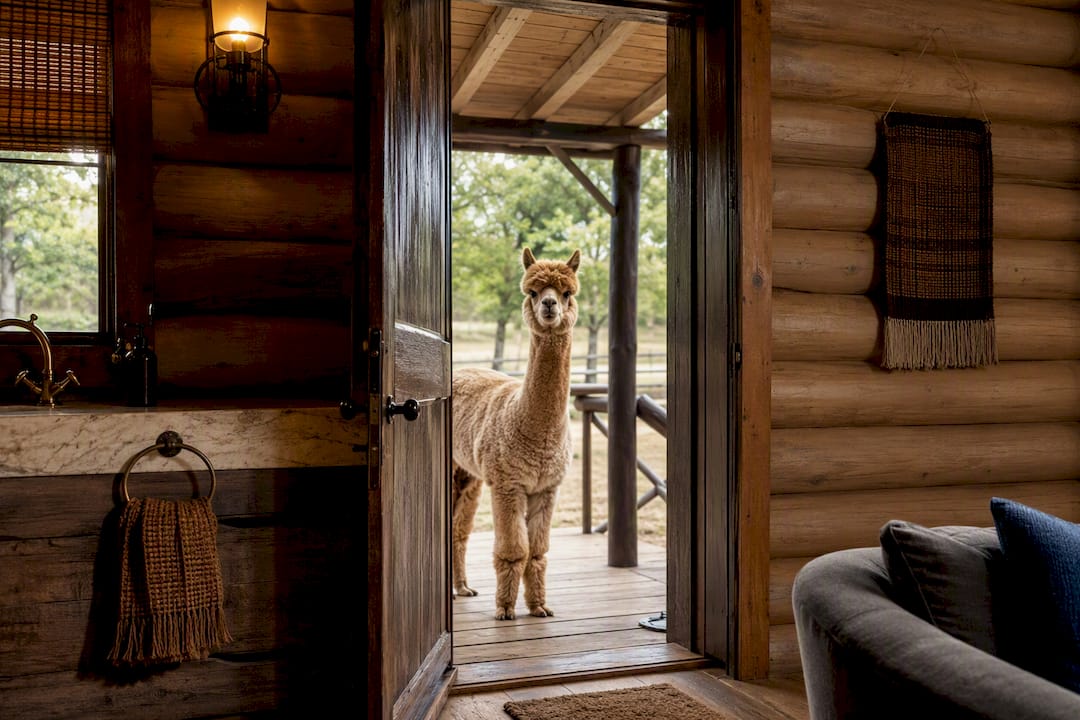
Rustic Log Cabin in Driftwood with Alpacas. Best for lifestyle content that wants a genuine novelty element, since the on-site alpacas turn a standard cabin shoot into something shareable. The standout feature is obvious: live animals as a background or foreground element for family or lifestyle sessions. It's a marketplace booking with capacity for small crews, and you should ask the host about animal-handling rules before the shoot day.
Sunny Studio, Classic Charm, Traditional Bohemian, Bohemian Haven, Candy Glam, Nature Nook, Bold & Balanced, Boho Daydream, Chic Haven, and Neutral Does It. These themed studio sets, commonly listed through Peerspace and Giggster, give photographers a pre-styled backdrop without renting props separately. Each name describes a specific aesthetic (sunlit minimalism, jewel-toned glam, muted neutrals, boho textiles) so you can match a client's mood board to a room without a location scout. They typically book by the hour, suit solo photographers or two-person teams, and the standout advantage is that styling costs are baked into the rental instead of being a separate line item. Marketplace listings for indoor shoot-ready spaces in San Antonio have a wide range of hourly rates depending on the room's size and finish level, and these themed sets tend to land in the lower-to-middle part of that range.
Pro Tip: When you're scanning marketplace listings, filter by "includes props" or "includes lighting" before comparing hourly rates. A $95-per-hour studio with backdrops and stands already on site often beats a $70-per-hour empty room once you factor in your own rental truck and setup time.
How Do You Choose And Book The Right Indoor Location?
Matching a venue to your shoot starts with light, not aesthetics. A gorgeous loft with the wrong window orientation will fight you all afternoon, so run through this checklist before you commit to any listing.
- Light type. Decide if you need consistent daylight (clerestory windows, north-facing glass) or a blank canvas for studio strobes. Daylight studios like R Photo Studio work well for softer, natural portraits, while a windowless cyclorama space gives you full control for product work.
- Ceiling height. Anything under nine feet limits how high you can mount lights or shoot wide establishing frames. Multi-set commercial shoots typically want ten feet or more.
- Background range. Count how many distinct looks you actually need. One clean wall might cover a headshot session; a branding shoot with five outfit changes needs a venue offering multiple rooms or a cyclorama sweep.
- Power access. Confirm the number of circuits and their amperage if you're bringing strobes, continuous LED panels, or a video village setup.
- HVAC and noise. Older buildings and converted industrial spaces sometimes run loud HVAC systems that bleed into video audio. Ask directly if you're recording sound.
Once you've narrowed your options, the questions you ask the host matter as much as the space itself. Location scouting guidance from Domestika points out that contacting management early and confirming permit and insurance needs before the shoot date prevents last-minute scrambling.
- Ask what insurance coverage the venue carries and whether they require a certificate of insurance (COI) from you or your production company.
- Ask if commercial use requires a separate permit beyond the standard hourly booking, especially for cultural or historic properties.
- Confirm load-in and load-out windows, since many hourly rentals charge overtime the moment you run past your booked block.
- Ask about parking, particularly downtown, where street parking during business hours can turn into a real delay.
- Get the overtime rate in writing before the shoot, not after.
Your booking workflow should follow a simple sequence: request a floor plan or measurement photos first, confirm exactly what gear and props are included in the rental price, sign the contract, then send your COI if the venue requires one. Skipping the floor plan step is the most common reason photographers show up and realize the space is smaller than the listing photos suggested.
Working With Public And Cultural Indoor Venues
Museums and cultural sites offer visual character no rental studio can fake, but they operate under stricter rules than a marketplace loft. The McNay Art Museum's photography policy is a useful real-world example: cultural institutions commonly require advance permission or a commercial photography permit, and they often restrict tripods, flash, and lighting rigs to protect artwork and manage foot traffic.
Expect a lead time of at least a few weeks for permission requests at a venue like this, longer if you're planning a large crew or a wedding-adjacent shoot. Fees vary by institution and by whether the shoot is personal, editorial, or commercial in intent, so ask directly rather than assuming a flat rate applies to your project.
These restrictions exist for practical reasons, not bureaucratic ones:
- Fragile artwork and archival materials can be damaged by heat from continuous lighting or the vibration of tripod-mounted gear.
- Public foot traffic through galleries makes large lighting setups a liability risk for other visitors.
- Insurance requirements protect the venue if equipment damages a floor, wall, or display case.
Planning around these limits usually means booking after-hours access when the venue offers it, or scaling down to handheld cameras and available light instead of full rigs. If a shoot absolutely needs studio-grade lighting control, staged studios can recreate a cultural backdrop's mood with painted sets or curated props, and some venues offer venue-approved technical staff who handle compliance issues for you. Readers curious about the specific rules at one of San Antonio's most photographed cultural sites can check what's actually allowed for wedding photos at the McNay before booking a session there.
Which Studio Features Actually Matter For Your Shoot?
Not every "photo studio" listing means the same thing, and the features that matter shift depending on what you're shooting. A studio built for product flat-lays won't necessarily serve a family portrait session well, and vice versa.
Natural daylight suits portraits, lifestyle brand content, and engagement sessions where a softer, organic look reads better than studio strobes. Clerestory windows, the kind found at R Photo Studio, deliver more even light throughout the day than standard side windows, which tend to create harsher shadows as the sun moves. Controlled artificial light matters more for product photography, fashion editorial, and any shoot where you need identical lighting conditions regardless of time of day or weather.
Cyclorama backdrops and seamless walls solve a specific problem: eliminating the visible corner where wall meets floor. That requires adequate power for continuous lighting, a floor finish that won't scuff under rolling equipment, and enough sweep radius for the subject to stand a few feet off the backdrop without shadow spill.
Gear and props separate a bare rental from a working studio. Reputable spaces typically include:
- Basic seamless paper backdrops in a few standard colors
- Stools, benches, or simple posing furniture
- C-stands and clamps for reflectors or small modifiers
- Curated decor props that match a specific aesthetic
Anything beyond that, specialty lighting, styled sets, or specific color backdrops, usually needs to be rented separately and budgeted in advance.
Space layout and ceiling height dictate how ambitious your shot list can get. A single-room studio with eight-foot ceilings works fine for headshots but limits multi-set commercial work. Taller ceilings and multiple rooms let you shoot several looks in one booking without breaking down and rebuilding a set between outfit changes.
Pro Tip: If your shoot brief includes both portraits and product shots, book a venue with at least two distinct zones rather than trying to force both looks out of one backdrop. Resetting lighting between a portrait setup and a product setup eats more time than most photographers budget for.
What Do Indoor Photo Locations Cost In San Antonio?
Hourly rates for indoor rentals in San Antonio vary by venue type more than by neighborhood. Marketplace listings for indoor shoot-ready spaces commonly run from roughly $65 to $250 or more per hour, with basic studios at the lower end and unique historic or themed venues pushing toward the top.
A few costs catch photographers off guard if they don't ask upfront:
- Cleaning fees, especially at mansions or homes with light-colored furnishings.
- Overtime charges, often billed at a higher rate than your booked hourly rate.
- Security deposits, common at high-end or historic properties.
- Equipment rental, when lighting or grip gear isn't included in the base price.
- Permit costs, specific to museums and cultural venues rather than standard rentals.
For budgeting, a three to four hour portrait session at a mid-range studio like a white loft or daylight space typically lands in the low hundreds of dollars once you factor the hourly rate against the shorter booking window. An eight to twelve hour commercial shoot with a crew and rented lighting gear runs substantially higher once you add equipment rental, potential overtime, and a security deposit on top of the base hourly rate. Getting a written quote that separates the room rate from add-on fees before you sign anything avoids most of these surprises.
A Local Photographer's Checklist For San Antonio Studios
A few practical notes come from actually working these rooms, not just reading their listings. At R Photo Studio, the clerestory daylight holds up best in three to four hour blocks scheduled between mid-morning and early afternoon, when the light stays even without the harsh angle you get closer to sunset.
At The Lumen Room, the white walls act like a giant bounce card, which is a gift for portraits but tricky for anyone shooting deep, moody tones. Book morning slots for the most consistent window light, and if your shot list calls for dramatic shadow, plan to bring in additional grip equipment rather than fighting the room's natural brightness.
Neighborhood logistics matter more than most photographers plan for. Downtown venues near the Pearl or River Walk corridors get tight on parking during weekday business hours, so early morning or weekend bookings dodge most of that friction. Southside and outer-loop locations, including the rustic cabin properties near Wimberley and Driftwood, need extra drive-time buffer since they sit outside the city core.
Pro Tip: Build a simple run sheet before every indoor shoot, arrival time, parking instructions, power circuit locations, and the host's phone number. It sounds basic, but it's the single fastest way to cut down on day-of delays when you're working an unfamiliar space.
Scouting Indoor Locations: A Photographer's Take
Booking a venue sight unseen taught me to never skip the floor plan request again. One shoot, a downtown loft that looked perfect in photos, turned out to have exactly one usable power circuit near the only decent window, which meant reworking the entire lighting plan on arrival instead of before.
For engagement sessions, I lean toward small daylight lofts almost every time. The intimacy of a smaller room with good window light tends to produce more natural, relaxed images than a cavernous studio built for commercial crews. Multi-set studios earn their keep for branding and commercial work, where the client needs several looks in one day and the extra space justifies the higher rate.
If you're weighing venues for an upcoming session and want a second opinion on what a space will actually deliver, reach out. Scouting help and full-service booking support save more headaches than most people expect.
— Todd
Book A San Antonio Photographer Who Already Knows These Rooms
Renting a studio is only half the equation. Someone still has to know which window gives the best light at 2 p.m., which venue's "included props" list is actually worth using, and which host answers emails fast enough to lock in your date. That's a gap that experienced photographers fill for engaged couples and clients planning portrait sessions: working professionals who have already scouted these indoor spaces, so you're not the one testing whether a loft's lighting works for your shoot.
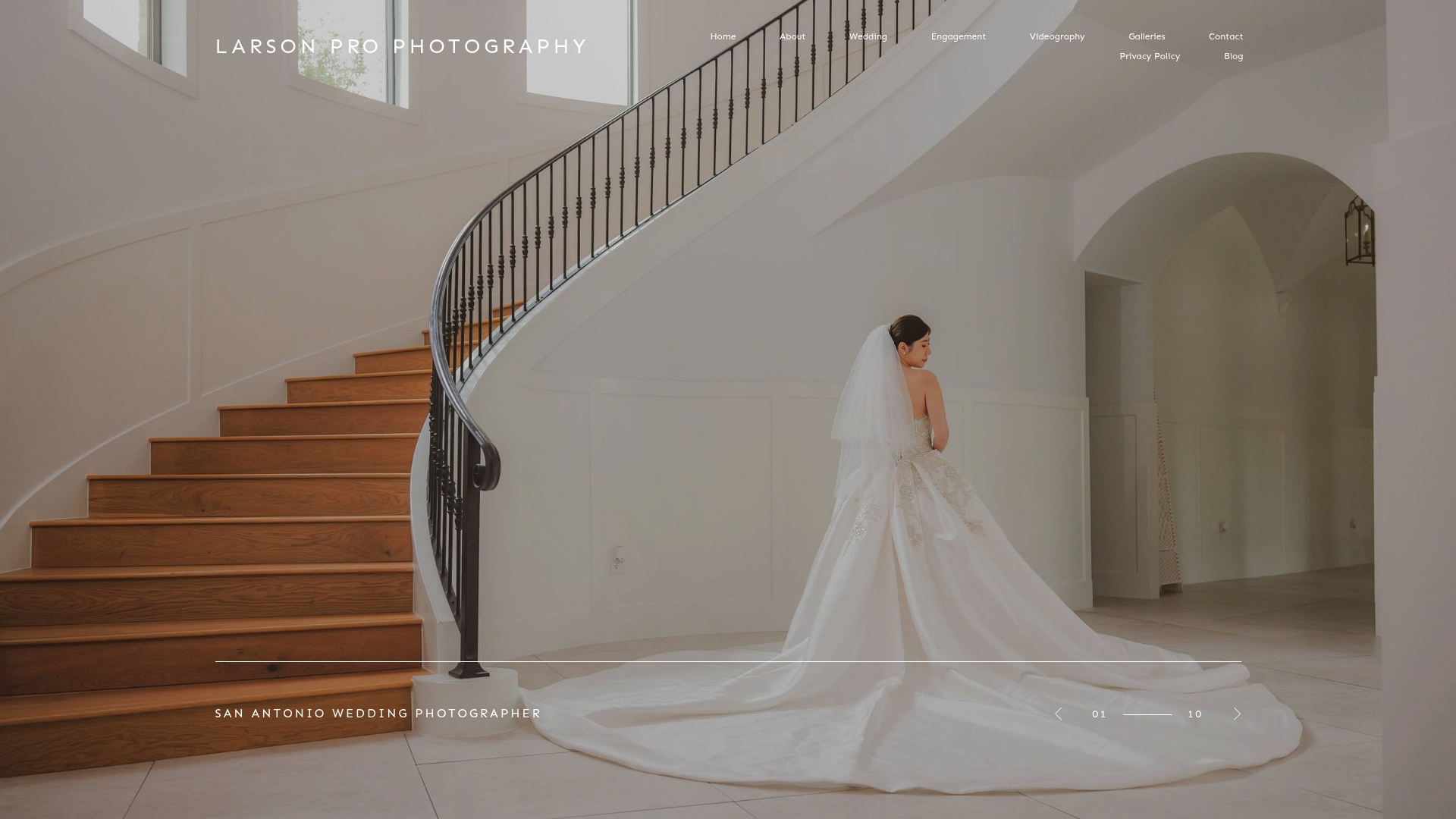
Some professional photography services handle location scouting alongside full shoot production, offering photographers who know whether a given daylight studio suits your engagement session or whether a cyclorama stage fits your commercial brief better. Browse recent client work to see how different venues translate into finished images, or check the engagement session details to start planning a date. Reach out through the contact form to talk through which indoor location actually fits your shot list.
Sources
- R Photo Studio – San Antonio's Mid Century Photography Studio and Professional Meeting Space
- Lumen Room — photoshoot reservations (San Antonio)
- Discover & Book Indoor Photoshoot Locations in San Antonio - Professional Spaces Near You
- McNay Art Museum — photography policy and permissions