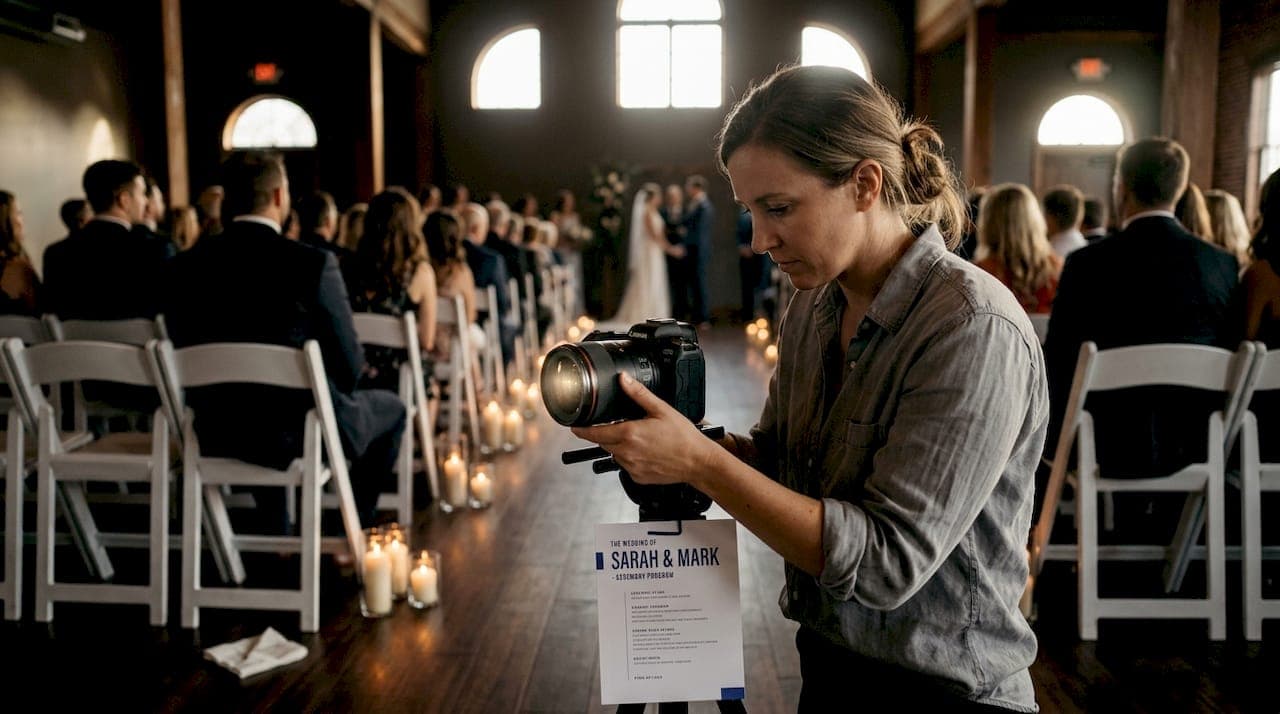
Your wedding video should make you cry every single time you watch it, not just scroll past it once. Most couples have seen the difference between a flat recording that documents the day and a short film that actually makes them feel something, but many still assume all professional videography delivers the same result. It does not. The gap between a standard wedding video and a cinematic one is enormous, and understanding that gap before you book anyone can save you from years of disappointment. This guide walks you through exactly what cinematic videography is, how it works, and how to use it to preserve the emotional truth of your wedding day.
Table of Contents
- What is cinematic videography?
- Techniques that create the cinematic look
- Cinematic vs. traditional wedding videography
- Blending cinematic and documentary styles for your wedding
- The real impact of cinematic videography on your wedding memories
- Ready to elevate your wedding film?
- Frequently asked questions
Key Takeaways
| Point | Details |
|---|---|
| Storytelling focus | Cinematic videography creates emotional wedding films by centering on narrative arcs, not just documentation. |
| Technical artistry | Camera settings, lighting, and post-production techniques combine to achieve movie-like visuals. |
| Flexible styles | Couples can blend cinematic and candid approaches to create a film that feels both genuine and artistic. |
| Emotion is the benchmark | The true test of a great wedding film is its emotional impact, not just visual polish. |
What is cinematic videography?
Not all video looks the same, even when it captures the same event. You have probably noticed that some wedding films feel like watching a movie while others feel like security footage from a nice venue. The difference is intentional. Cinematic videography is a filmmaking-inspired approach that emphasizes storytelling, emotional depth, and film-like aesthetics through specific technical choices in camera settings, lighting, movement, and post-production.
That definition matters because it reframes the entire goal. Traditional wedding videography treats the day as an event to be recorded from start to finish. Cinematic videography treats it as a story to be told. Those are two very different objectives, and they produce two very different films.
"A cinematic wedding film is not a recording of what happened. It is a carefully constructed emotional experience that reveals why it happened and what it meant to the people who lived it."
Here is what separates cinematic videography from basic event documentation:
- Emotional arcs: The film is built around feelings, not a timeline. Vows, glances, tears, and laughter are treated as narrative peaks.
- Film aesthetics: Specific visual choices like color grading, shallow focus, and deliberate framing create a look that feels warm, intentional, and artistic.
- Intentional editing: Music, pacing, and scene selection are chosen to build emotion, not just cover everything that happened.
- Story structure: A cinematic film often has a beginning, middle, and end that draws from speeches, vows, or interviews to create meaning.
For couples planning weddings in San Antonio, this distinction is especially important when comparing vendor packages. Two videographers can charge similar rates and deliver wildly different products depending on which philosophy they follow.
Techniques that create the cinematic look
Understanding what cinematic videography is gives you a framework. Understanding how it is created gives you the ability to recognize real skill when you see it. The cinematic look is not a filter or a preset. It comes from dozens of technical decisions made before, during, and after filming.
Camera settings and lenses
The foundation of cinematic footage starts with how the camera is configured. Core mechanics include a 24fps frame rate with the 180-degree shutter rule, which means shooting at 1/50s for natural motion blur, wide apertures between f/1.4 and f/2.8 for shallow depth of field, low ISO values between 100 and 400, manual focus, and medium telephoto lenses in the 35 to 85mm range. Together, these settings produce the soft background blur, natural movement, and warm depth that your brain immediately associates with film.
Lighting and composition
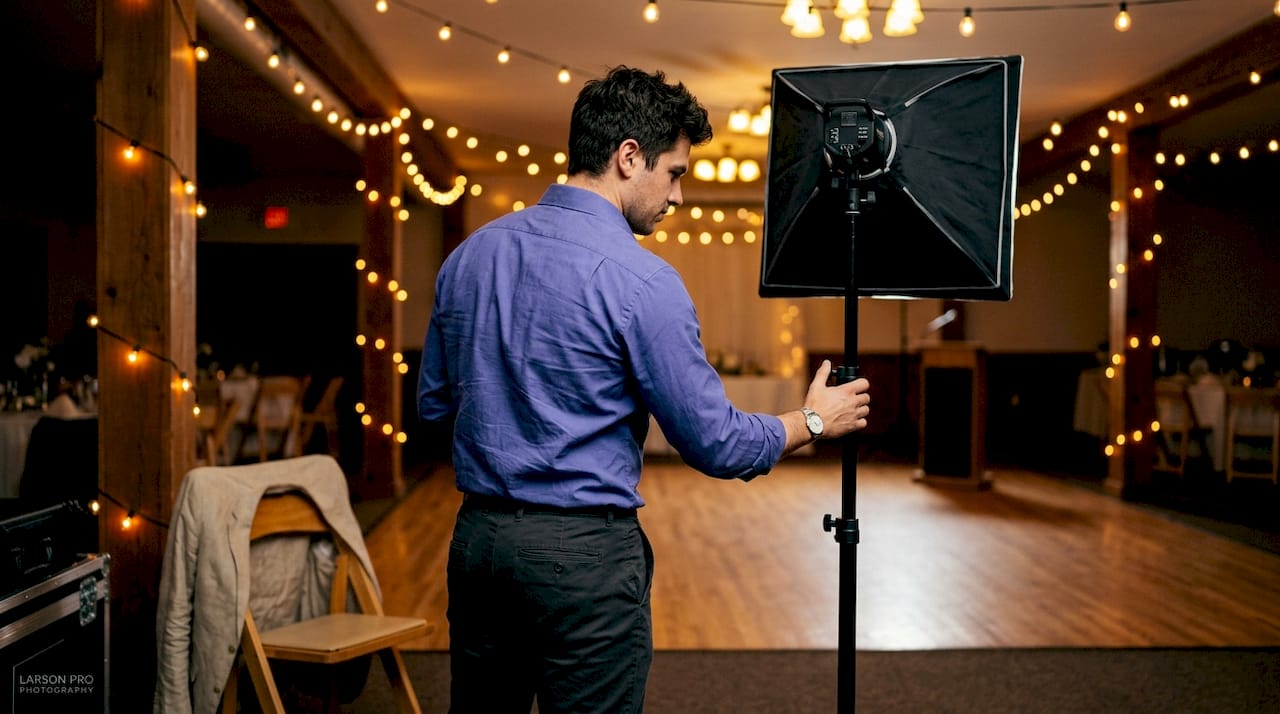
You cannot underestimate what lighting does to a frame. Cinematography methodologies involve three-point lighting using a key light, fill light, and rim light, motivated lighting that appears to come from natural sources in the scene, rule of thirds composition, and post-production color grading for mood. A skilled cinematographer uses your venue's windows, candles, string lights, and ambient sources as story tools, not obstacles. At San Antonio venues like the Pearl or Hotel Emma, these natural elements are particularly rich and cinematic videographers who know how to work with them will produce stunning results.
Camera movement
Static footage feels passive. Movement creates energy, tension, and intimacy. Here is how each technique works in practice:
- Dolly moves (moving the camera toward or away from the subject) create a sense of emotional arrival or departure, perfect for vow moments.
- Pans and tilts reveal a scene gradually, building anticipation.
- Gimbal stabilization allows smooth walking shots that feel effortless and fluid, like the camera is breathing.
- Handheld tension in specific moments adds raw authenticity during emotional peaks.
- Drone aerials provide scale and context, especially beautiful at outdoor San Antonio venues.
Post-production color grading
Color grading is where the final emotional tone is set. A warm grade creates nostalgia. A cooler, moodier grade creates drama. Staying consistent throughout the film creates a unified feel that makes it look professional rather than patched together.
| Technique | What it does | Emotional effect |
|---|---|---|
| 24fps frame rate | Creates natural motion blur | Feels like film, not video |
| Wide aperture (f/1.8) | Blurs background | Focuses attention on faces |
| Color grading | Adjusts temperature and tone | Sets the mood of entire film |
| Gimbal movement | Smooth, flowing shots | Feels immersive and intimate |
| Three-point lighting | Separates subject from background | Polished, professional look |
Following current wedding photography trends in both still and moving images reveals just how much couples now expect a cohesive, emotionally consistent visual story across every medium. Good wedding lighting techniques are a core part of that consistency.
Pro Tip: When reviewing videographer samples, mute the audio and watch the footage alone first. If the images still tell a clear emotional story without music, the cinematographer has strong visual storytelling skills. If the footage feels empty without the soundtrack, the emotion may be coming from the music, not the filmmaking.
Cinematic vs. traditional wedding videography
Now that you understand what cinematic videography involves, here is a direct comparison between the two main approaches so you can decide what fits your priorities and budget.
| Feature | Cinematic videography | Traditional videography |
|---|---|---|
| Goal | Emotional narrative | Complete event documentation |
| Editing style | Story-driven, musical pacing | Chronological, linear |
| Shooting style | Intentional, often multiple angles | Single or dual camera coverage |
| Visual feel | Film-like, polished, artistic | Broadcast or home video feel |
| Length | Highlight film (3 to 10 minutes) plus feature | Full ceremony and reception |
| Cost | Higher due to production time | Generally more affordable |
| Turnaround | Longer post-production | Faster delivery |
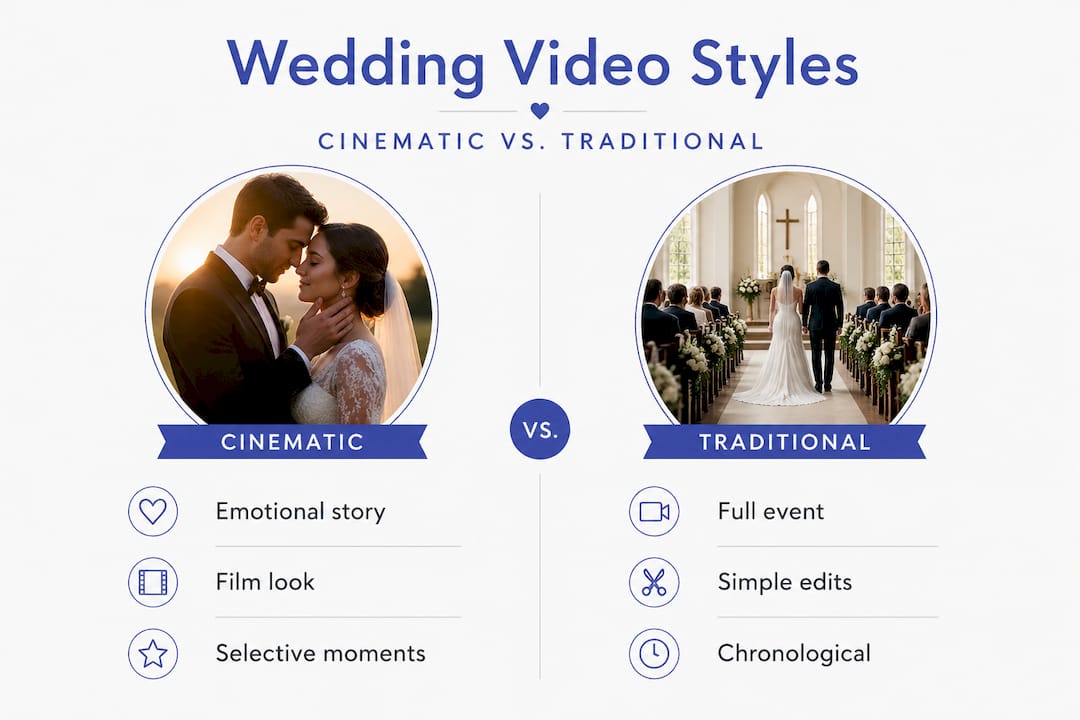
According to Brides, cinematic videography prioritizes artistic narrative and emotion at a higher cost and time investment, while traditional videography offers straightforward event capture that is cost-effective and chronological. Neither is universally better. They serve different needs.
Here are the honest trade-offs to consider before you decide:
- Cinematic: You get a deeply emotional, beautifully crafted short film. You may not have every moment of your reception documented. Editing takes longer, sometimes six to twelve weeks.
- Traditional: You get complete coverage of everything that happened. The finished product may feel less emotionally compelling. Delivery is usually faster.
- Hybrid: Many couples in San Antonio now choose a package that includes a cinematic highlight film plus full ceremony coverage. This is usually the best balance.
Keeping up with modern trends in wedding videography makes clear that emotional resonance is increasingly what couples remember and share. A three-minute film that makes you sob is far more valuable than three hours of footage you never finish watching.
The statistic that drives this home: couples who watch their wedding video within the first year report that the highlight film is what they return to most, while long-form footage often sits unwatched. Emotional editing is not just a stylistic preference. It is what makes your investment worth rewatching for decades.
Blending cinematic and documentary styles for your wedding
One of the most important things to understand about your wedding video is that you do not have to choose just one style and stick with it completely. The most memorable wedding films often blend cinematic artistry with raw documentary honesty. Here is how to make both work together.
Balancing staged moments with candid ones
Some moments deserve to be staged beautifully because they are central to your story: the first look, a detail shot of the rings, a slow walk down the aisle with perfect lighting. Other moments lose their power the second they feel rehearsed: your grandmother crying during the vows, your best friend's face during the toast, children dancing at the reception. A skilled videographer knows which is which.
- Schedule quiet time before the ceremony for intentional cinematic shots
- Let candid reception coverage run without direction
- Ask your videographer to capture reaction shots, not just the main action
- Communicate which moments carry the most emotional weight for you personally
Working with light in challenging environments
Low-light environments require ND filters, prioritizing aperture and shutter settings over ISO, while indoor weddings need diffused light to avoid harsh shadows. This is especially relevant in San Antonio where outdoor ceremonies often transition to indoor receptions with dramatic lighting shifts. A good cinematographer plans for this in advance and brings equipment to handle both settings smoothly.
Using technique without overthinking gear
Here is something most guides will not tell you: technique matters more than gear. Cinematic results are achievable with smartphones when fundamentals are applied correctly. Random movements, over-editing, and inconsistent lighting are the real enemies of a cinematic look, not a missing camera upgrade. When you meet with potential videographers, ask about their process and philosophy before asking about their equipment list.
You can explore what genuinely cinematic and documentary wedding films look like in practice before committing to any particular style. Seeing real examples from real weddings is more useful than any description. Pairing your video with a well-documented engagement storytelling session also gives your videographer a chance to understand how you move and interact naturally, which directly improves the quality of your wedding footage.
For couples who want truly polished post-production, professional video editing services can take raw footage to a completely different level when executed by editors who understand emotional pacing.
Pro Tip: Before your wedding day, sit down with your videographer and name three to five specific moments that must be captured no matter what. Not poses or setups, but real emotional moments. "My dad seeing me in my dress for the first time" or "my partner's face when I walk down the aisle." This single conversation shapes every creative decision your videographer makes on the day.
The real impact of cinematic videography on your wedding memories
Here is something the standard videography guides miss entirely: the emotional value of your wedding film is not determined primarily by technical quality. It is determined by whether the film tells the truth about how that day felt.
We have seen couples with access to extraordinarily expensive production budgets end up with beautiful but emotionally hollow films. The cinematographer captured perfect exposures and flawless camera moves but never quite got the soul of the day. We have also seen budget-conscious couples receive films shot on modest gear that made everyone in the room cry every single time they watched it. The difference was not equipment. It was the videographer's ability to feel what was happening in real time and point the camera at it.
This is why we believe the conventional wisdom about evaluating videographers is incomplete. Most guides tell you to compare packages, check equipment lists, and count the number of cameras. Those factors matter, but they should come after one question: does this person's existing work make me feel something?
While techniques are standardized, no quantified wedding benchmarks like viewer retention rates exist for wedding films, meaning you should rely on portfolios showing emotional impact over raw coverage. A portfolio is not a skills checklist. It is evidence of taste, empathy, and the ability to find meaning in fleeting moments.
When you watch a potential videographer's work, pay attention to what you feel, not what you notice. If you catch yourself thinking "nice camera movement" or "good color grade," that is a sign the technique is visible. When a film is truly working, you forget you are watching anything at all. You are just inside the memory. That feeling is what you are hiring for.
Check the wedding video trends section of any reputable wedding resource and you will see emotional authenticity consistently ranked above production value by couples reflecting on what made their film meaningful. Trust that pattern. It reflects something real about how human memory and emotion actually work.
Ready to elevate your wedding film?
If this article has you rethinking what your wedding video could actually be, you are in the right place. At Larson Pro Photography, we create wedding films that go beyond documentation to capture the emotional truth of your day, exactly the kind of storytelling you have been reading about here.
We invite you to explore our cinematic wedding videography gallery and see what this style looks like when it is applied to real San Antonio weddings. From intimate ceremonies to full-scale celebrations, our portfolio reflects our commitment to emotional storytelling over surface-level coverage. If you are also planning an engagement session, our engagement video services offer a perfect opportunity to build a creative relationship with your videographer before the big day. Reach out through our contact form to start a conversation about your vision.
Frequently asked questions
What makes a wedding video truly cinematic?
A cinematic wedding video uses storytelling, emotional depth, and film-inspired techniques to create emotional impact, not just record events. It is about crafting a narrative that captures how the day felt, not just what happened.
How is cinematic videography different from traditional wedding videography?
Cinematic videography focuses on emotion and narrative, while traditional videography captures events in a straightforward, chronological style. The result is a film versus a recording, and the difference is noticeable immediately.
Are expensive cameras necessary for cinematic wedding videos?
Great technique and storytelling matter more than gear, and cinematic results are achievable with smartphones when fundamentals are applied correctly. Camera investment matters less than the skill and emotional intelligence of the person holding it.
Can I blend documentary and cinematic videography for my wedding?
Yes, you can combine candid real moments with staged cinematic shots, because hybrid styles blend documentary authenticity with cinematic artistry effectively. Most experienced videographers can tailor the balance to match your priorities.
What should I look for in a cinematic videographer's portfolio?
Focus on emotional storytelling and narrative ability, and rely on portfolios that show emotional impact over raw technical coverage. If a portfolio makes you feel something, that is the single most important qualification.